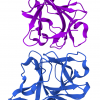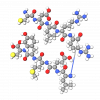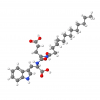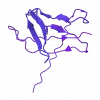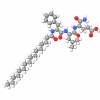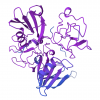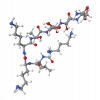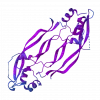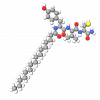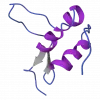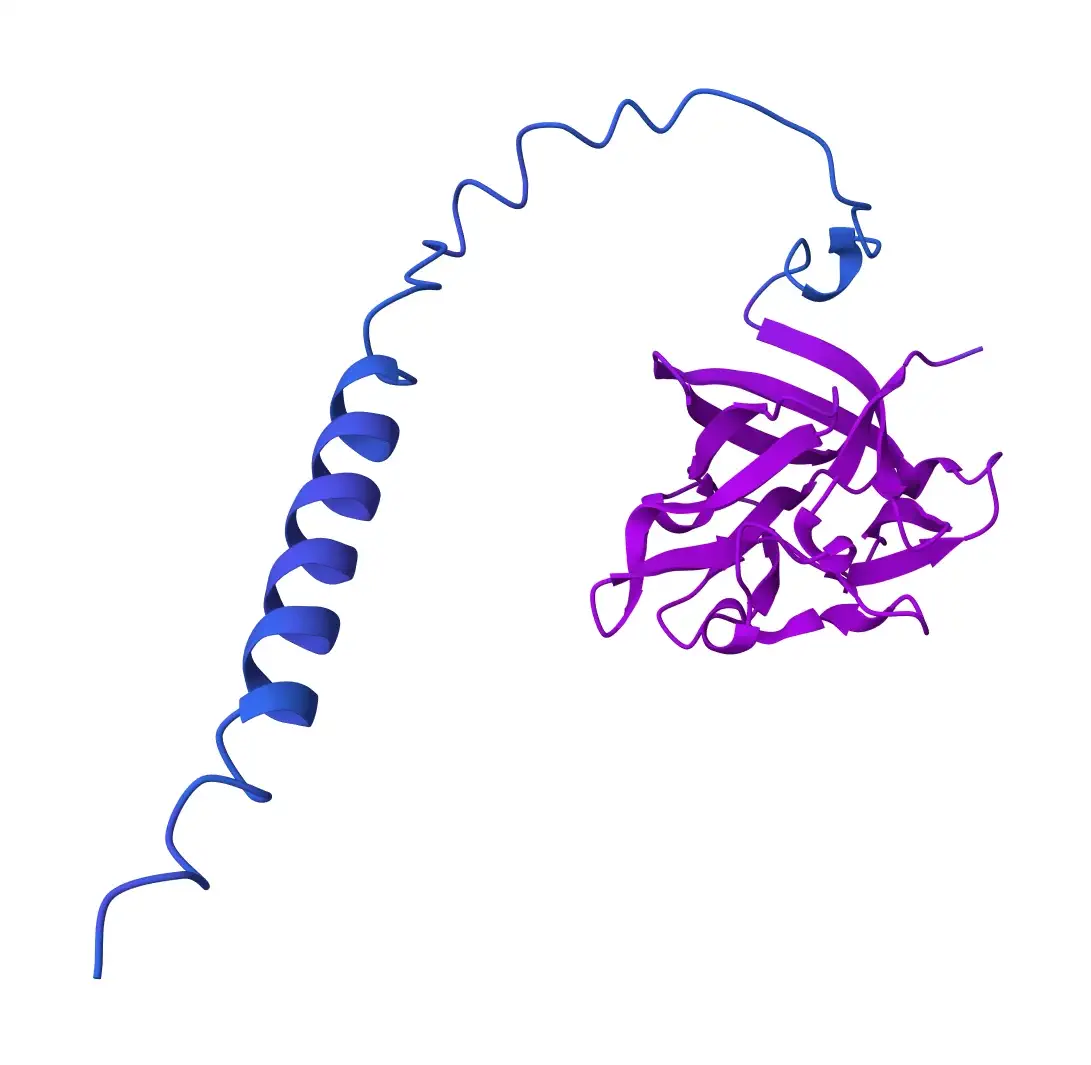
sh-Polypeptide-3 (former rh-Oligopeptide-5) is a single-chain synthetic recombinant peptide, an analog of human KGF (Keratinocyte Growth Factor). KGF was first described in 1989 as a human growth factor that stimulated epithelial cell proliferation.
sh-Polypeptide-3 affects the proliferation and differentiation of various cell types, as it is a part of the heparin-binding fibroblast growth factor (FGF) superfamily, FGF7. KGF is involved in early hair growth as an essential go-between.
sh-Polypeptide-3 promotes dermal cell adhesion, spreading, and proliferation, and boosts regenerative processes in the skin and wound healing. It is an essential mediator in epithelial repairs and mesenchymal interactions. It is used in medicine to treat the adverse effects of radiotherapy on the skin or the oral cavity.
In addition, sh-Polypeptide-3 strengthens hair follicles, stimulating hair growth and enhancing their mechanical properties, health, and appearance. The former designation was rh-Polypeptide-3 (rh- prefix means recombinant human).References
- Keratinocyte growth factorPMID:7640656DOI:10.1006/cbir.1995.1085
- Effect of tumour-cell-derived or recombinant keratinocyte growth factor (KGF) on proliferation and radioresponse of human epithelial tumour cells (HNSCC) and normal keratinocytes in vitroPMID:20213138DOI:10.1007/s00411-010-0271-7
- Palifermin: in myelotoxic therapy-induced oral mucositisPMID:16225371DOI:10.2165/00003495-200565150-00008
- Non-viral liposomal keratinocyte growth factor (KGF) cDNA gene transfer improves dermal and epidermal regeneration through stimulation of epithelial and mesenchymal factorsPMID:12140734DOI:10.1038/sj.gt.3301732
- Keratinocyte growth factor induces hyperproliferation and delays differentiation in a skin equivalent model systemPMID:11292649DOI:10.1096/fj.00-0324com
- Modulation of keratinocyte growth factor and its receptor in reepithelializing human skinPMID:7595207DOI:10.1084/jem.182.5.1369