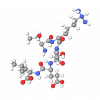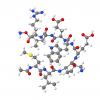

Bio-Placenta is a complex composed of synthetic growth factors (mimicking peptide placental growth factors), vitamins, amino acid derivatives, and hyaluronic acid encapsulated in Lecithin nanoparticles that simulate dermal cell growth and proliferation, accelerating skin regeneration and renewal.
Growth factor peptides include:
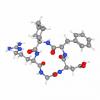
- sh-Oligopeptide-1, a human recombinant EGF (Epidermal Growth Factor)
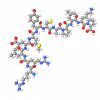
- sh-Oligopeptide-2, a human recombinant Insulin-like Growth Factor (IGF-1)
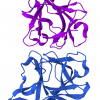
- sh-Polypeptide-1, a human recombinant basic Fibroblast Growth Factor (bFGF or FGF2)
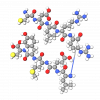
- sh-Polypeptide-9, a human recombinant Vascular Endothelial Growth Factor A (VEGFA)
- sh-Polypeptide-11, a human recombinant acidic Fibroblast Growth Factor (aFGF or FGF1)
Components of Bio-Placenta are similar to those of the Human Placenta but are produced through biotechnology-based manufacturing, with no ethical or safety concerns. Those growth-factor-mimicking biomimetic peptides, i.e., synthetic compounds produced through biotechnological processes, act by faithfully mimicking natural substances present in the body that directly regulate metabolic processes affecting target cells.
Production of growth factors declines with skin aging, and the skin loses its regenerative potential. Incorporated into skincare applications, Bio-Placenta provides controlled release of balanced active peptides, other anti-aging ingredients such as biotechnological vitamin B9, barrier-enhancing Acetyl Glutamine, and hydrating hyaluronic acid, which work synergistically to deliver desired results.Many European and Korean high-end anti-aging products contain Bio-Placenta, achieving good results and positive customer feedback. Several clinical trials with some of those products confirm results.
Ingredients
F.A.Q.
What are benefits of Bio Placenta for skin?
A combination of 5 growth and essential factors makes a synergistic effect on skin:
- Anti-wrinkle
- Skin rejuvenation
- Barrier enhancement
- Elasticity improvement
- Moisturizing
- Cell re-vitalization