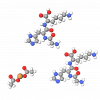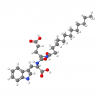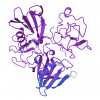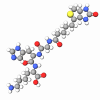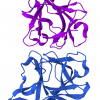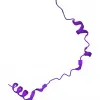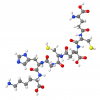
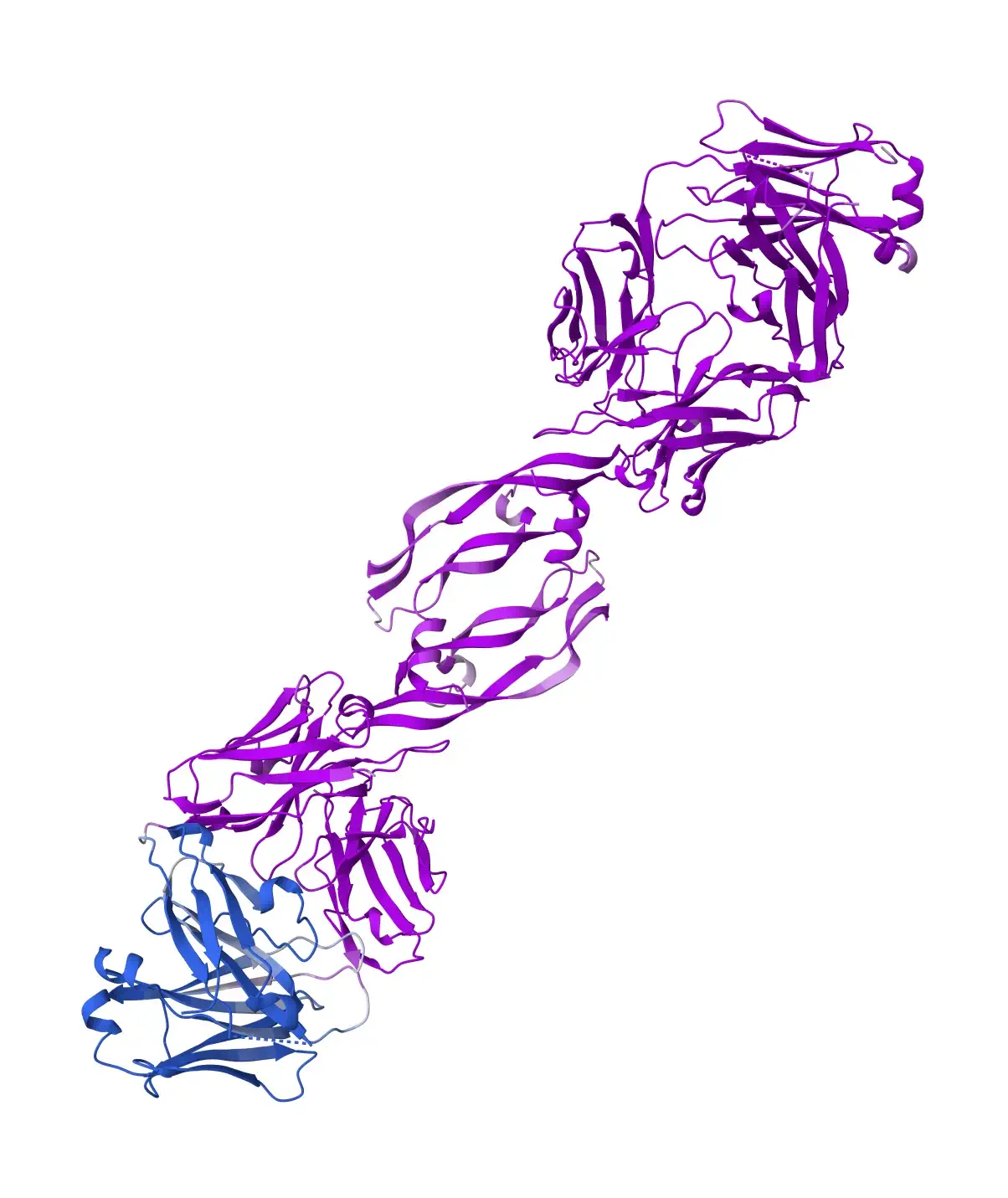
sh-Polypeptide-9 is a synthetic recombinant analog of human VEGFA (Vascular Endothelial Growth Factor A). It enhances cell division and migration by increasing the permeability of capillary vessels to serum proteins.
sh-Polypeptide-9 boosts the production of protein, a resolution enzyme, causing cell restructuring. It increases skin formation by accelerating the movement of blood vessel cells and the development and division of new cells. It increases vascular wall permeability and relieves vascular spasms. In addition, it activates monocyte migration through the skin layers.
VEGFA supports the survival of newly formed blood vessels by inhibiting cell death and promoting cellular growth and division. It plays a regulatory role in immune control, including interactions with neuronal antigens. In hair care applications, sh‑Polypeptide‑9 is used to help restore normal scalp microcirculation in the treatment of alopecia. It exerts an anti‑edematous effect, stimulates the renewal of cutaneous microvessels, and promotes the formation of lymphatic vessel networks.
In comparative tests with Minoxidil, double-layer encapsulated sh-Polypeptide-9 exhibited higher activity in increasing VEGF, promoting bFGF release, and increasing β-catenin production. Moreover, it reduces IL-1α and protects the scalp from oxidative stress, decreasing negative factors for hair growth.sh-Polypeptide-9 is diffusible and specific for endothelial cells, suggesting that this molecule may play a unique role in regulating angiogenesis. VEGF plays a crucial role in regulating perifollicular vascularization during the hair cycle. It is used in high-end skin and hair care applications and famous complexes like Bio Placenta, where it enhances the effect of fibroblast growth factors, promoting renewal and orderly restructuring of skin structures.
However, because VEGFA activity can contribute to the progression of psoriasis, personal care products containing sh‑Polypeptide‑9 should be avoided by individuals with this condition. In addition, those products are not recommended for treating sunburn or after exposure to high doses of UV radiation.