Although hair disorders are not life-threatening, their profound impact on social interaction and on patients' psychological aspects is undeniable. The demand for hair loss treatment has led to a multibillion-dollar industry. Despite this, most currently marketed products are ineffective, as evidenced by the FDA's approval of only two treatments for hair loss, one of which is a minoxidil solution.
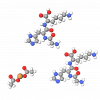
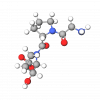
Dipeptide-13 is a small molecule peptide containing tryptophan and glutamic amino acids (L-Glu-L-Trp) initially found in the calf thymus peptide complex and known as Thymogen. It has immunomodulatory, anti-stress, and anti-tumor actions, has shown promising results in the treatment of atopic dermatitis, and exhibits noticeable anti-aging properties.
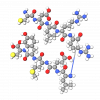
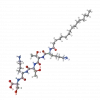
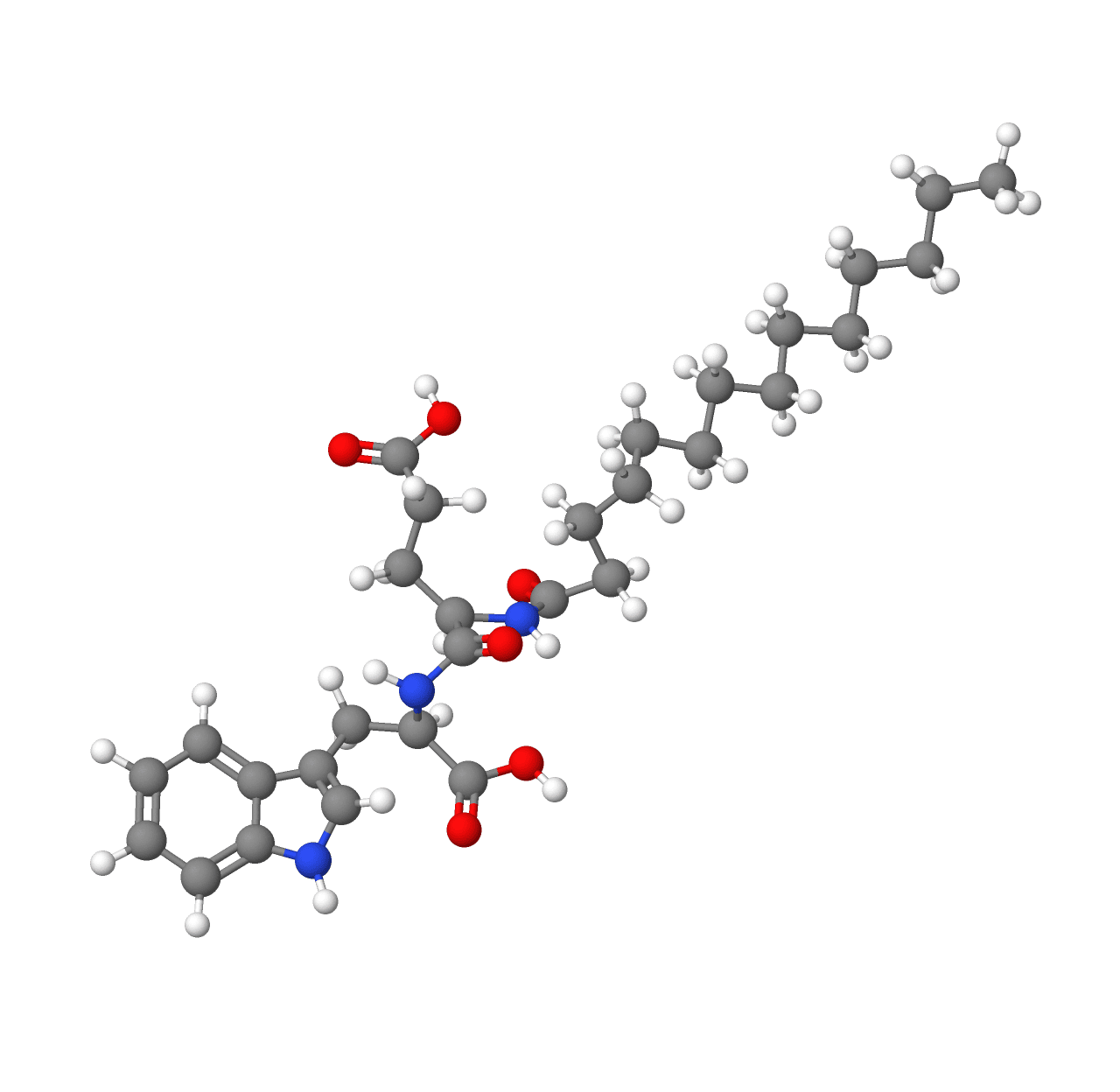
Myristoyl Dipeptide-13 is a lipo-derivative of Dipeptide-13 (Myristoyl-Glu-Trp) that was developed as an effective hair growth stimulator and anti-hair loss agent. In addition, it stimulated dermal fibroblasts, accelerates wound healing, and re-epithelialization.
Manufacturer-induced in vitro study results showed that Myristoyl Dipeptide-13 prolongs the anagen phase and delays entry into the catagen phase by promoting the proliferation of dermal papilla cells, fibroblasts, and keratinocytes, and by increasing melanin production.Other in vivo studies show that Myristoyl Dipeptide-13 inhibits hair loss, strengthens hair, and eventually promotes hair regrowth. It promotes cell proliferation in human dermal papilla cells, fibroblasts, and keratinocytes. It also stimulates melanin synthesis in melanocytes.