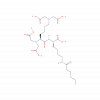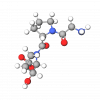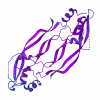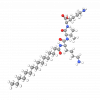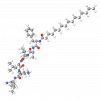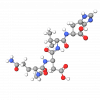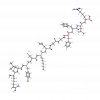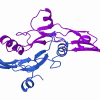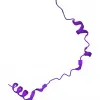
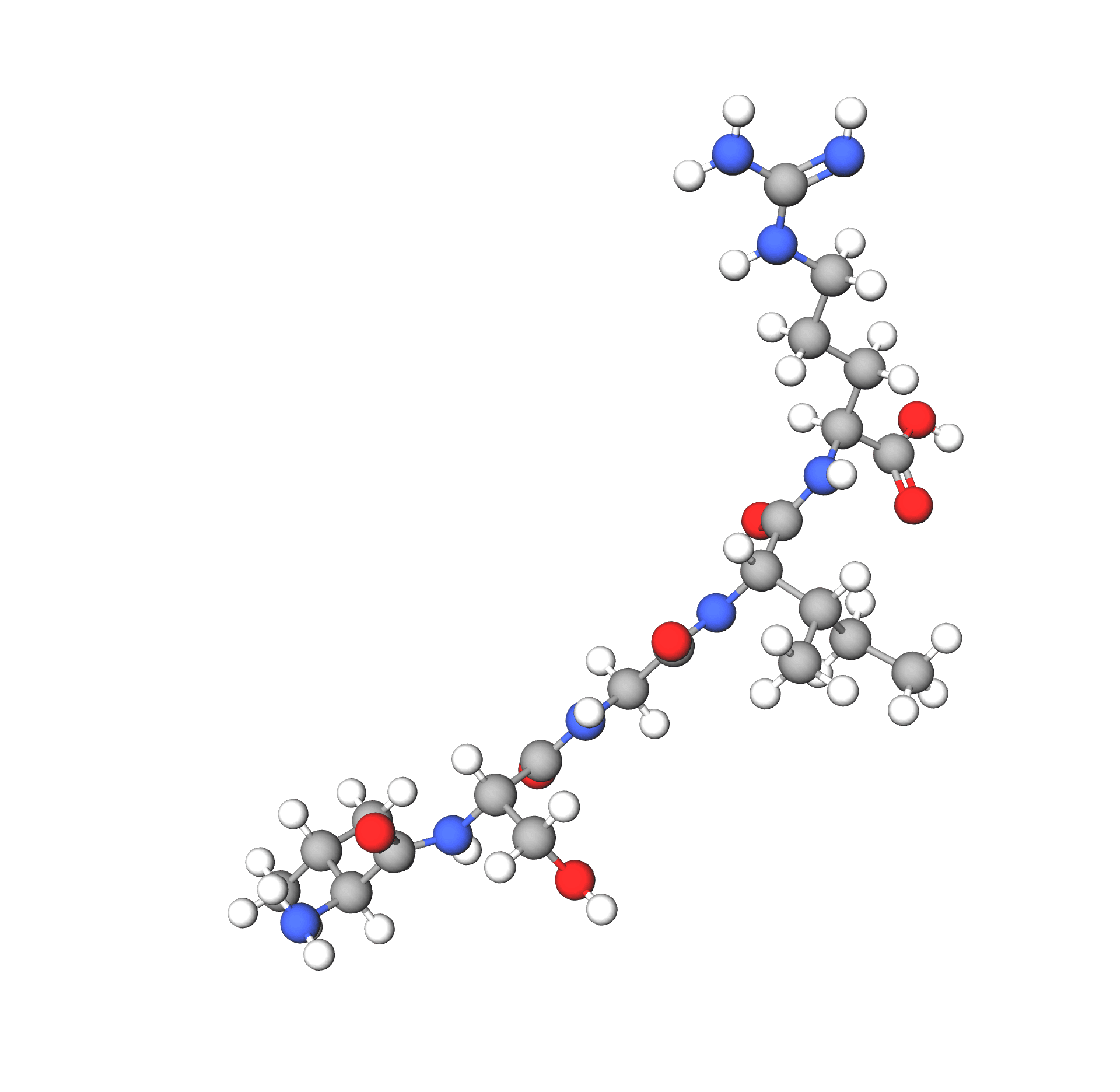
Elaself is a complex containing a synthetic recombinant matrikine peptide, sh-Pentapeptide-3 (sequence Val-Ser-Gly-Ile-Arg), and a (22-26) fragment of Microfibril-associated glycoprotein 4 (MFAP-4), a key regulator of elastin organization. It positively affects MFAP-4 synthesis in fibroblasts and collagen production.
As the skin is stressed during aging, cellular synthetic activity generally decreases. MFAP-4 production is reduced, and the entire elastin fiber formation process is negatively affected from the first stage. The resulting elastic fibers cannot provide mechanical support to the skin, leading to a general decrease in key mechanical parameters.
In addition, MFAP-4 is essential for elastic fiber formation by helping them associate. According to the manufacturer, applying sh-Pentapeptide-3 topically results in a 30% improvement in skin elasticity and reduces the appearance of fine lines and wrinkles, both of which are essential for maintaining a youthful appearance.
Skin structural fibers organization
The structural conformation of elastic fibers is key to their proper function in the skin. As skin ages, cellular synthetic activity generally decreases. This also affects MFAP-4, which is responsible for the correct organization of elastic fibers. MFAP-4 is a basic functional unit that connects microfibrils and provides a scaffold for amorphous elastin deposition during elastic fiber formation.Elaself is a pentapeptide designed to mimic a degrading fragment of the protein MFAP-4, which influences the expression of its gene based on negative feedback. Consequently, this mechanism stimulates production of this key protein, which supports proper elastic fiber organization and helps combat UV-induced elastosis and photoaging.