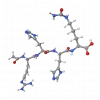
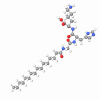
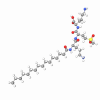
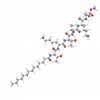
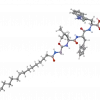
Tetracarboxymethyl Hexanoyl Dipeptide-12 is a synthetic peptide derivative that enhances the expression of genes responsible for adiponectin production while inducing dermal cells' protective autophagy. It is also known under the trade name AdipoSOL™ 2000.
Adiponectin is an adipokine hormone produced by adipocytes. UV exposure lowers adiponectin synthesis, increasing MMP-1 and decreasing procollagen production. MMP-1 is a metalloproteinase responsible for degrading collagen and other structural proteins. So, repetitive and excessive UV exposure lowers the quantities of the skin's structural proteins, causing photoaging and increasing pro-inflammatory cytokine production.
By increasing Adiponectin levels, Tetracarboxymethyl Hexanoyl Dipeptide-12 enhances the skin's tolerance to UV (shifts MED, or Minimal Erythema Dose), induces dermal cell cleanup and rejuvenation through autophagy, and helps prevent collagen loss and photoaging.
Tetracarboxymethyl Hexanoyl Dipeptide-12 is suitable for pre- and post-sun use applications. It reduces the secretion of inflammatory factors, such as cytokines, and lessens skin redness after sun exposure. It helps preserve collagen levels, actively fights free radicals and oxidative damage, and stimulates the production of cell-communicating proteins.