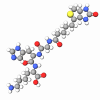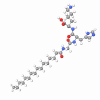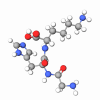
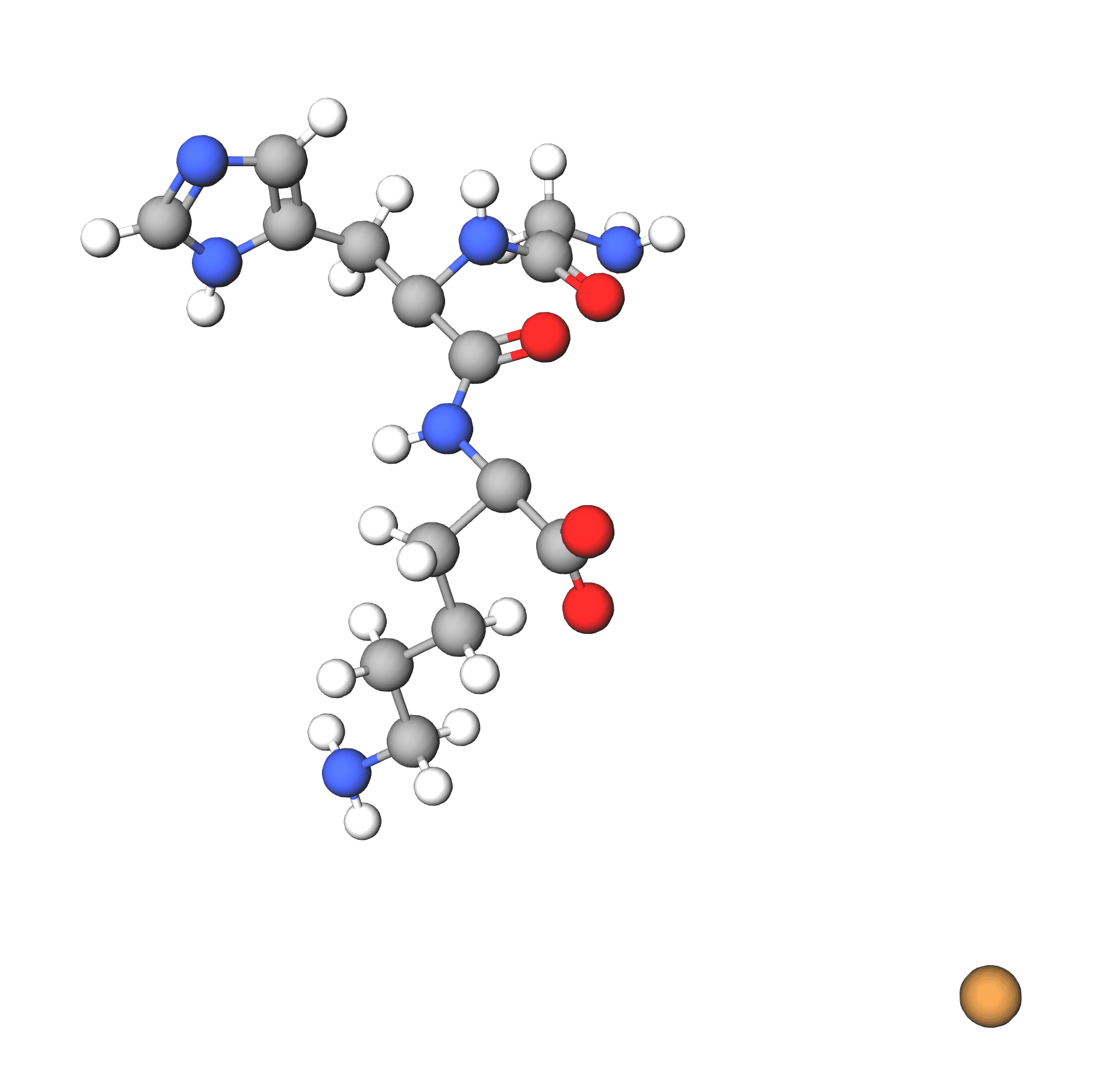
Numerous skincare products based on copper-peptide complexes are increasingly finding clinical and cosmeceutical uses. The biological basis for these actions is GHK (Tripeptide-1), a peptide generated during tissue damage with a very high affinity for copper (Cu2+).
GHK-Cu is also a regular constituent in human plasma, existing at approximately 200 ng/ml at age 20 and dropping to 80 ng/ml at age 60. At hormonal levels, Copper Tripeptide-1 acts as a chemoattractant for fibroblasts (repairing cells) and activates a plethora of regenerative processes in the skin, such as angiogenesis, production of extracellular matrix components, including collagen, elastin, proteoglycans, glycosaminoglycans, etc, additionally activating metalloproteinases (MMPs) involved in tissue remodeling.
Copper-peptide complexes are used to stimulate the repair of damaged skin and bone, heal ulcerated stomach and intestinal lining (e.g., inflammatory bowel disease), improve the take of hair transplants, and stimulate hair growth.
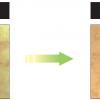
In aged human skin, copper-peptide creams thicken skin, improve elasticity, and increase the density of the subcutaneous fat layer. GHK-Cu blocks ferritin channels and the release of tissue-damaging free (oxidative) iron after injury, thus blocking iron-catalyzed lipid peroxidation that often occurs after injury and interleukin-1 damage to pancreatic islet cells. The three-dimensional structure of GHK-Cu is strikingly similar to many pharmaceutical anti-ulcer (stomach) medicines. Two potential uses for a copper peptide that deserve more study are the reduction of scars and skin lesions and the systemic activation of wound healing before surgical procedures.