Authored by: Arthur Ghochikyan, M.D.
Functions
Anti-aging
Smoothing
Firming
Sliming
Hair growth stimulator
Protective
INCI namesh-Oligopeptide-2
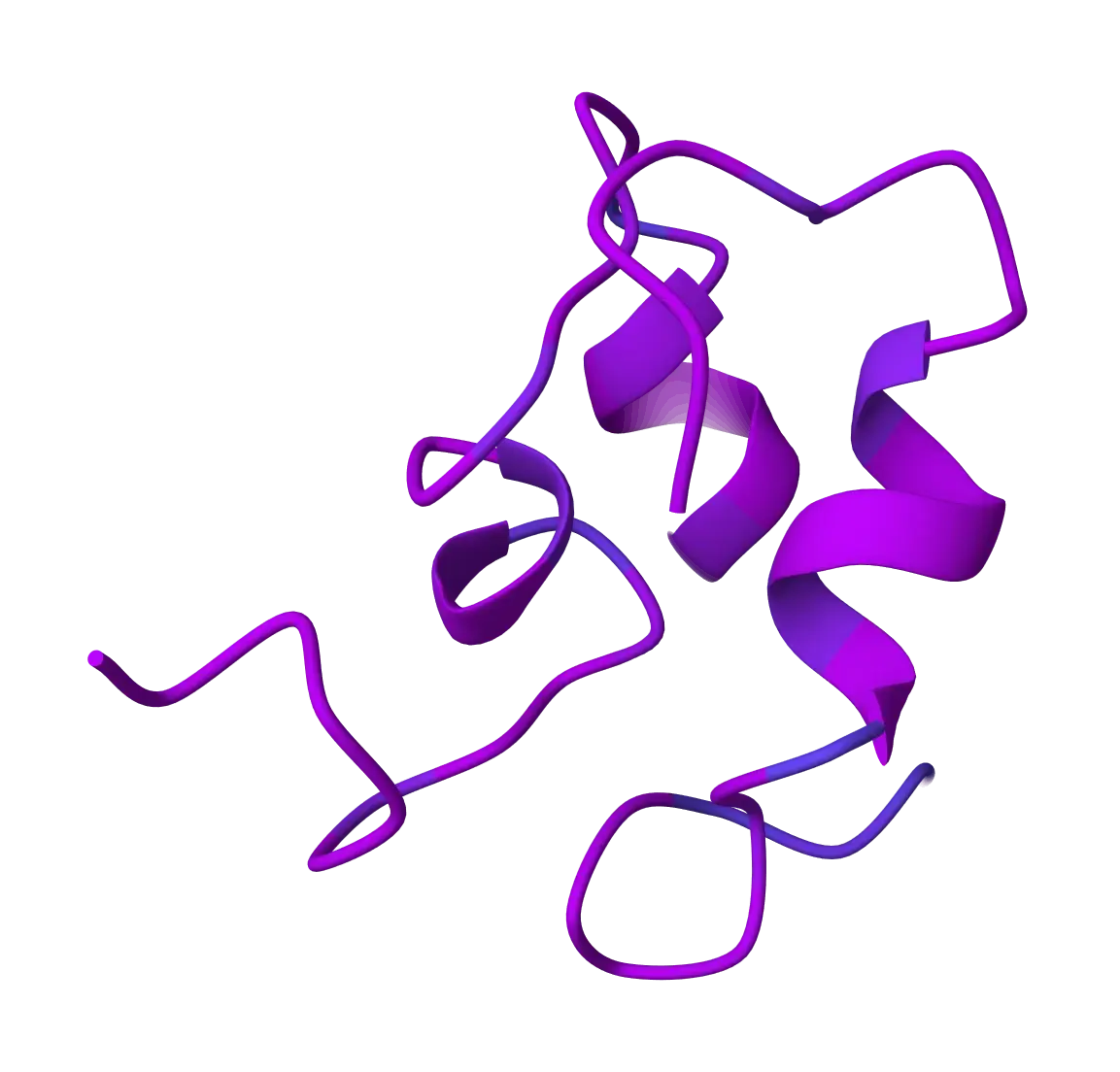
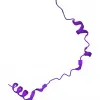
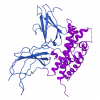
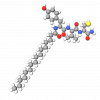
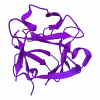
sh-Oligopeptide-2 is a synthetic single-chain (7.6 kDa) polypeptide hormone analog structurally similar to proinsulin, an Insulin-like Growth Factor (IGF-1) naturally synthesized by fibroblast cells. It is a growth hormone involved in the formation of bone, muscle, and nerve tissues, and it improves the regeneration of damaged cells by building new blood vessels for cells that are reduced in damaged or aged skin.
sh-Oligopeptide-2 forms blood vessels from degenerated cells as they age, enabling them to replace accumulated CO2 and waste products and revitalize aged cells into young cells. It improves GH and other hormone secretion by providing IGF-1 directly and supports the standard insulin-resistance action.
sh-Oligopeptide-2 activates cellular signaling in the AKT pathway, which plays an essential role in preventing aging. It promotes regeneration and accelerates wound healing. In the scalp, it promotes follicle development and helps increase hair thickness.
Applied topically, sh-Oligopeptide-2 enhances the biosynthesis of Hyaluronic acid and other extracellular matrix (ECM) components, resulting in a smoother, more youthful, and healthier appearance. It minimizes the appearance of fine lines and deep wrinkles and reduces blotchiness.
Thanks to its anabolic fat-burning effect, sh-Oligopeptide-2 effectively refines skin texture and glides, while slimming the face and body. It also strengthens hair by boosting primary hair cell proliferation and stimulating hair follicles to produce a stronger hair shaft. It is used in many high-end modern anti-aging products and superstar complex ingredients, such as Bio Placenta.
However, any growth factor-mimicking peptide should be used with caution, as GFs are correlated with tumorigenesis or progression. Recombinant IGF-1 correlated with Melanoma progression.
Synonyms
Recombinant Human Insulin Like Growh Factor-1
rh-Oligopeptide-2
CG-IGF-1
Mecasermin
rhIGF-1
References
Expression of Growth Hormone Receptor, Insulin-Like Growth Factor 1 (IGF-1) and IGF-1 Receptor mRNA and Proteins in Human Skin
Author(s):
Tavakkol Amir., Elder James T, Griffiths Christopher E M, Cooper Kevin D, Talwar Harvinder., Fisher Gary J, Keane Karen M, Foltin Susan K, Voorhees John J
DOI:
10.1111/1523-1747.ep12616668
Insulin-like growth factor-I in wound healing of rat skin
Author(s):
Todorović Vera, Peško Predrag, Micev Marjan, Bjelović Miloš, Budeč Mirela, Mićić Mileva, Brašanac Dimitrije, Ilić-Stojanović Olivera
DOI:
10.1016/j.regpep.2008.05.006
Insulin-like growth factor 1 receptor signaling regulates skin development and inhibits skin keratinocyte differentiation
Author(s):
Sadagurski M, Yakar S, Weingarten G, Holzenberger M, Rhodes CJ, Breitkreutz D, Leroith D, Wertheimer E
DOI:
10.1128/MCB.26.7.2675-2687.2006
Differential Roles of Insulin Receptor and Insulin-Like Growth Factor-1 Receptor in Differentiation of Murine Skin Keratinocytes
Author(s):
Wertheimer Efrat, Trebicz Meirav, Eldar Tora, Gartsbein Marina, Nofeh-Moses Sharon, Tennenbaum Tamar
DOI:
10.1046/j.1523-1747.2000.00008.x
Insulin-like growth factor 1 and hair growth
Author(s):
Su Hung-Yi, Hickford Jonathan G H, Palmer Barry R, Bickerstaffe Roy
Insulin-like growth factor 1: A novel treatment for the protection or regeneration of cochlear hair cells
Author(s):
Yamahara Kohei, Yamamoto Norio, Nakagawa Takayuki, Ito Juichi
DOI:
10.1016/j.heares.2015.04.009
Anabolic and Tissue Repair Functions of Recombinant Insulin‐Like Growth Factor I
Author(s):
SKOTTNER A., ARRHENIUS‐NYBERG V., KANJE M., FRYKLUND L.
DOI:
10.1111/j.1651-2227.1990.tb11635.x
IGF-1 contributes to the expansion of melanoma-initiating cells through an epithelial-mesenchymal transition process
Author(s):
Le Coz V, Zhu C, Devocelle A, Vazquez A, Boucheix C, Azzi S, Gallerne C, Eid P, Lecourt S, Giron-Michel J
DOI:
10.18632/oncotarget.12733
INSULIN-LIKE-GROWTH-FACTOR-1
Author(s):
De Wolf E., Gill R., Geddes S., Pitts J., Wollmer A., Grotzinger J.