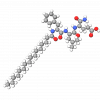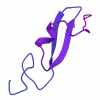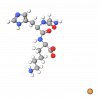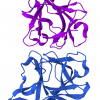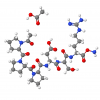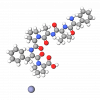
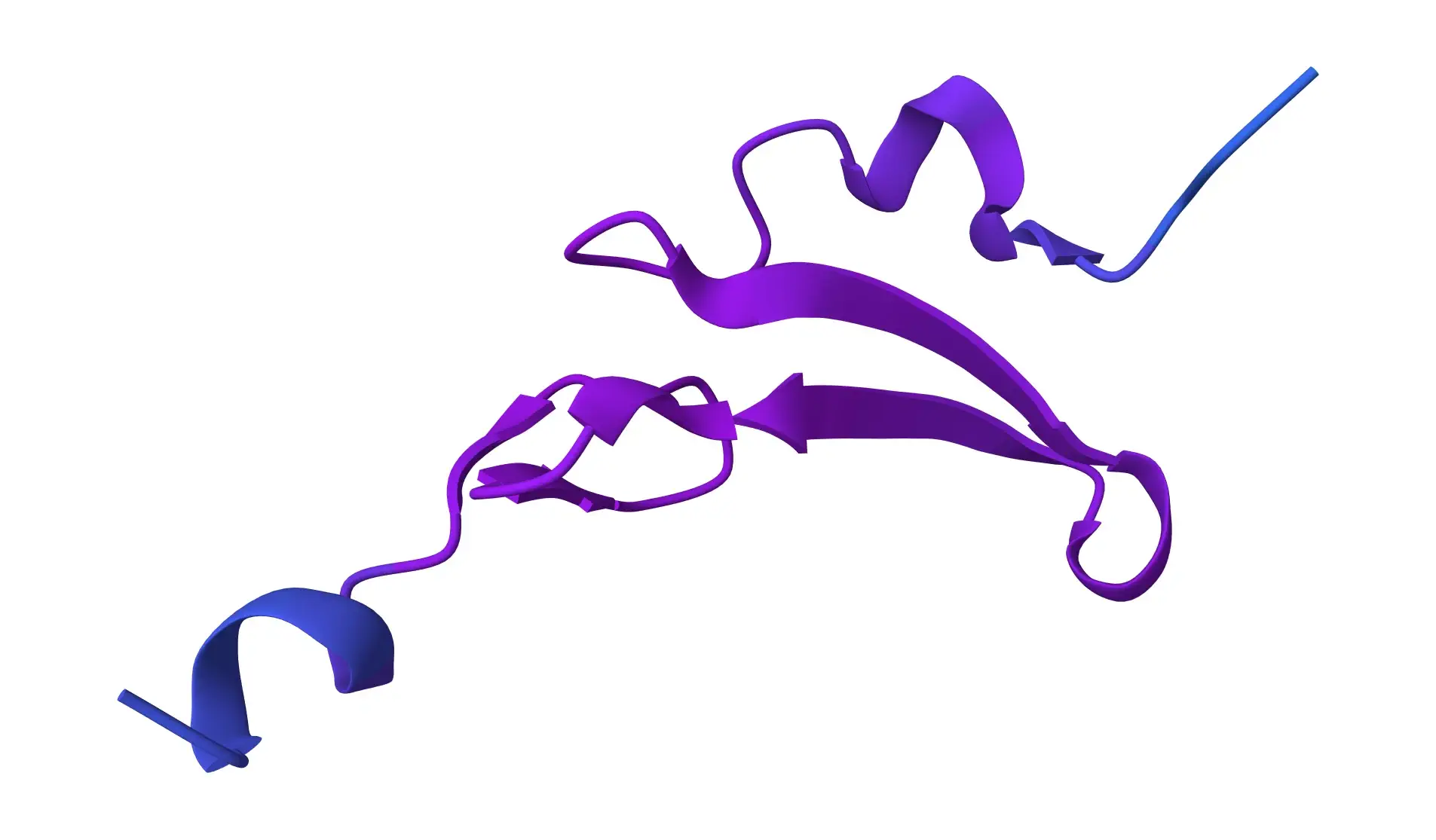
sh-Oligopeptide-1 is a synthetic recombinant analog of human polypeptide EGF (Epidermal Growth Factor), which contains 53 amino acids with the sequence NSDSECPLSHDGYCLHDGVCMYIEALDKYACNCVVGYIGERCQYRDLKWWELR. Thanks to bacterial gene recombination technology, this peptide is produced by bacteria (usually E. coli) from a special amino acid mix. No animal-derived materials are involved in the production process. The purified recombinant human peptide is fully functional and mimics the action of the natural growth factor.
sh-Oligopeptide-1 promotes skin repair processes, increasing the rate of self-regeneration. It enhances blood vessel formation around damaged areas of the skin and stimulates the secretion of rejuvenating growth factors. Therefore, EGF heals skin injuries without scars.
It also promotes the proliferation of keratinocytes in the corneous layer, endothelial cells, and fibroblasts, improving skin barrier function, suppressing inflammatory reactions, and reducing cutaneous scars. In addition, it provides long-term moisturization for the skin.
As a result, sh-Oligopeptide-1 boosts the production of extracellular matrix (ECM) components, including structural and functional proteins (collagen, elastin, etc.) and glycosaminoglycans (such as hyaluronic acid), resulting in a youthful, healthy, and glowing appearance.Several clinical trials showed that sh-Oligopeptide-1 is effective in diabetic patients' wound healing after laser treatment and in the management of Senile purpura. However, it is a "growth factor" and, with any overexpression or dysregulation, has the potential to cause tumorigenesis. EGF signaling is found in many tumor cells. Thus, any growth factor-mimetic, including EGF-mimetic containing personal care application, should be used with caution.