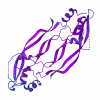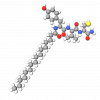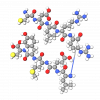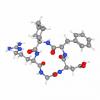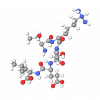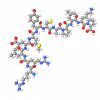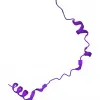
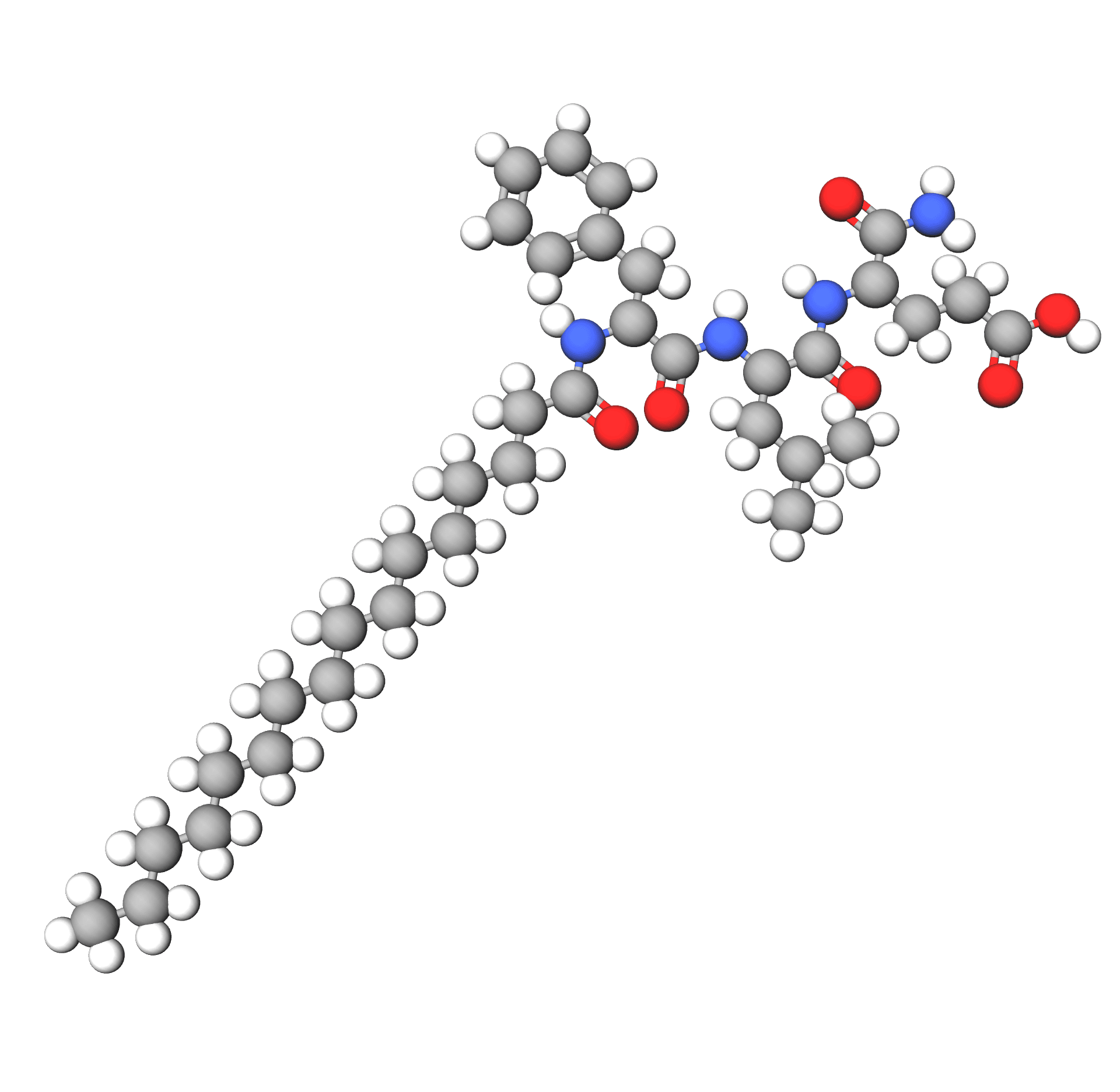
Palmitoyl sh-Tripeptide-1 Amide is a low molecular weight synthetic recombinant lipo-peptide derived from FGF-1 (Fibroblast Growth Factor-1; sequence part 99-101) that is involved in various cellular processes, including angiogenesis, keratinocyte organization, and wound healing. It has the sequence Pal-Phe-Leu-Glu-NH2 and is known under the trade name Syndermin™.
Acting as a fibroblast growth factor (FGF) agonist, Palmitoyl sh-Tripeptide-1 Amide penetrates the dermis, interacts with FGF receptors, enhancing proliferation and differentiation of keratinocytes and dermal fibroblasts. According to the manufacturer, it activates ERK1/2 and Akt signaling pathways responsible for the proliferation, differentiation, and survival of dermal cells.
In addition, Palmitoyl sh-Tripeptide-1 Amide stimulates neo-angiogenesis, significantly increasing tubular formation of endothelial cells and improving blood microcirculation in skin. It boosts skin regeneration, enhances collagen and elastin production, and reduces wrinkles.
Incorporated in skin care applications, Palmitoyl sh-Tripeptide-1 Amide rejuvenates skin, improving the tone and texture. It is also suitable for specialized products, eye and hair (scalp) care products, and skin regeneration treatments. It is used in 1-2% concentrations.