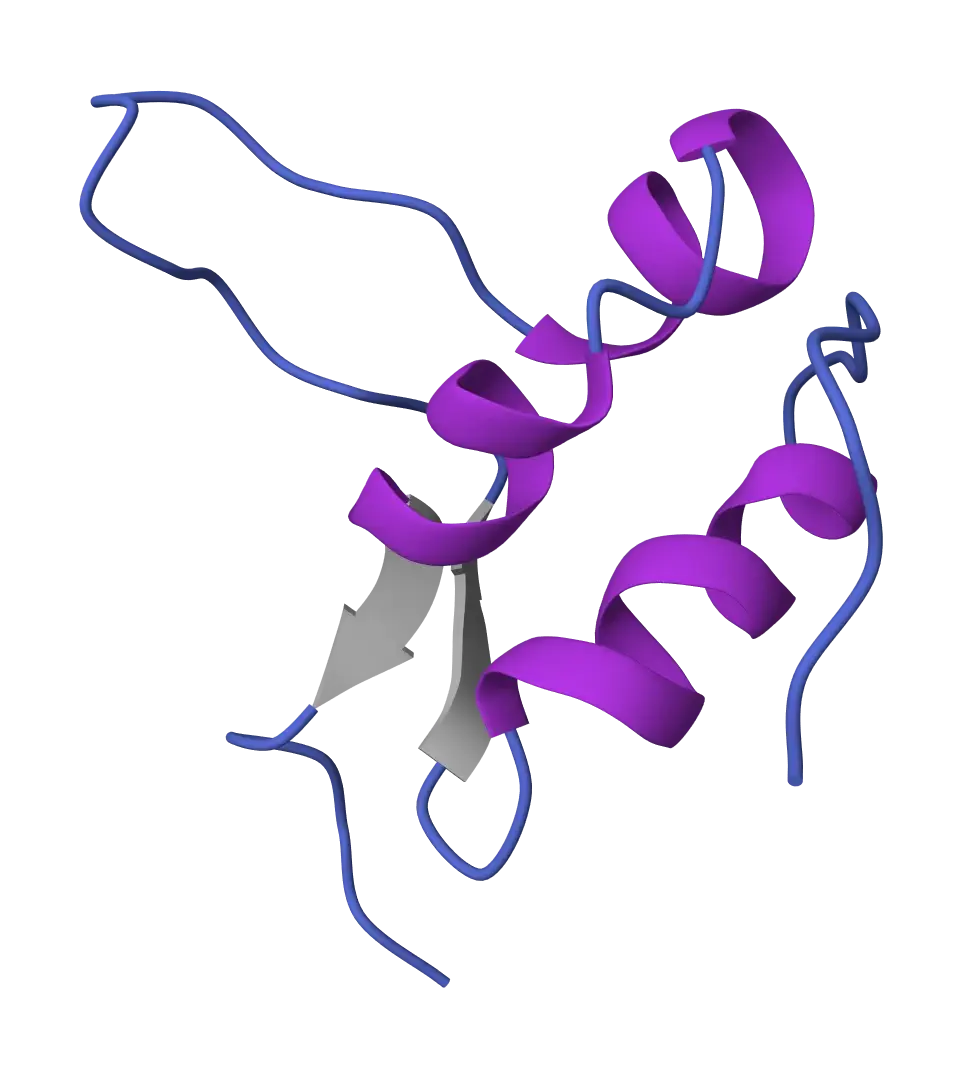
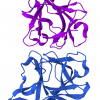
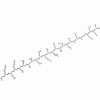
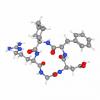
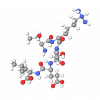
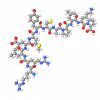
sh-Polypeptide-31 is a synthetic recombinant peptide that mimics human Insulin-like Growth Factor-2 (IGF-2). The old designation was rh-Polypeptide-31 (rh- prefix means recombinant human). IGF-II promotes the proliferation and migration of dermal fibroblasts and enhances collagen production.
Binding to skin cell membrane receptors, sh-Polypeptide-31 has an insulin-like effect. It promotes dynamic restoration of the structure of all skin layers. It strengthens intercellular connections and thickens the skin. Insulin-like Growth Factor-1 (IGF-1; sh-Oligopeptide-2) is responsible for “tissue memory” - preserving the original parameters of the structure, quality, and properties of the skin given by nature.
Incorporated in skincare preparations, sh-Polypeptide-31 reduces wrinkles, increases skin density, and tightens it. In hair care applications, IGF-2 stimulates growth and limits hair loss. In body contouring products, sh-Polypeptide-31 induces lipolysis by activating adenylate cyclase, which breaks down adipocyte triglycerides into fatty acids.
Due to mitogen and growth factor-mimicking activity, products containing sh-Polypeptide-31 should be used strictly according to instructions or after physician consultation, as overexpression of IGF-2 correlates with hypertrophic scar formation in damaged skin and tumor progression.
Decapeptide-4 is a synthetic peptide known under the trade name CG-IDP2 that mimics the Somatomedin C (IGF-1) growth factor involved in normal skin growth, healing, and wound repair.
sh-Oligopeptide-4 is a synthetic recombinant Thymosin-β4 peptide that helps strengthen hair while stimulating hair follicles to produce healthier hair.
sh-Oligopeptide-2 is a synthetic single-chain (7.6 kDa) polypeptide hormone analog structurally similar to proinsulin, an Insulin-like Growth Factor (IGF-1) naturally synthesized by fibroblast cells.
sh-Polypeptide-10 is a synthetic recombinant single-chain peptide, an analog of human Fibroblast Growth Factor 10 (FGF10) that is involved in normal skin growth, regeneration, and wound repair.
Besides lactation, human Prolactin is a hormone that regulates hair follicle cycles, angiogenesis, keratinocyte proliferation, and the activity of epithelial stem cells.
RonaCare® Cyclopeptid-5 rapidly gives the skin a fresher and more youthful appearance. The peptide replicates the natural processes of skin communication and repair.
Oligopeptide-20 is a synthetic peptide that mimics Somatomedin (Insulin-like growth factor 1; IGF1), involved in normal skin growth, healing, and wound repair.