Functions
Smoothing
Regeneration booster
Anti-eye dark circles
Anti-inflammatory
Hair growth stimulator
INCI name
sh-Polypeptide-71
Origin
Synthetic
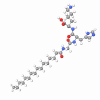
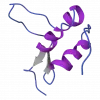
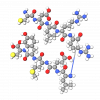
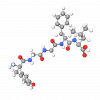
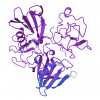
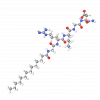
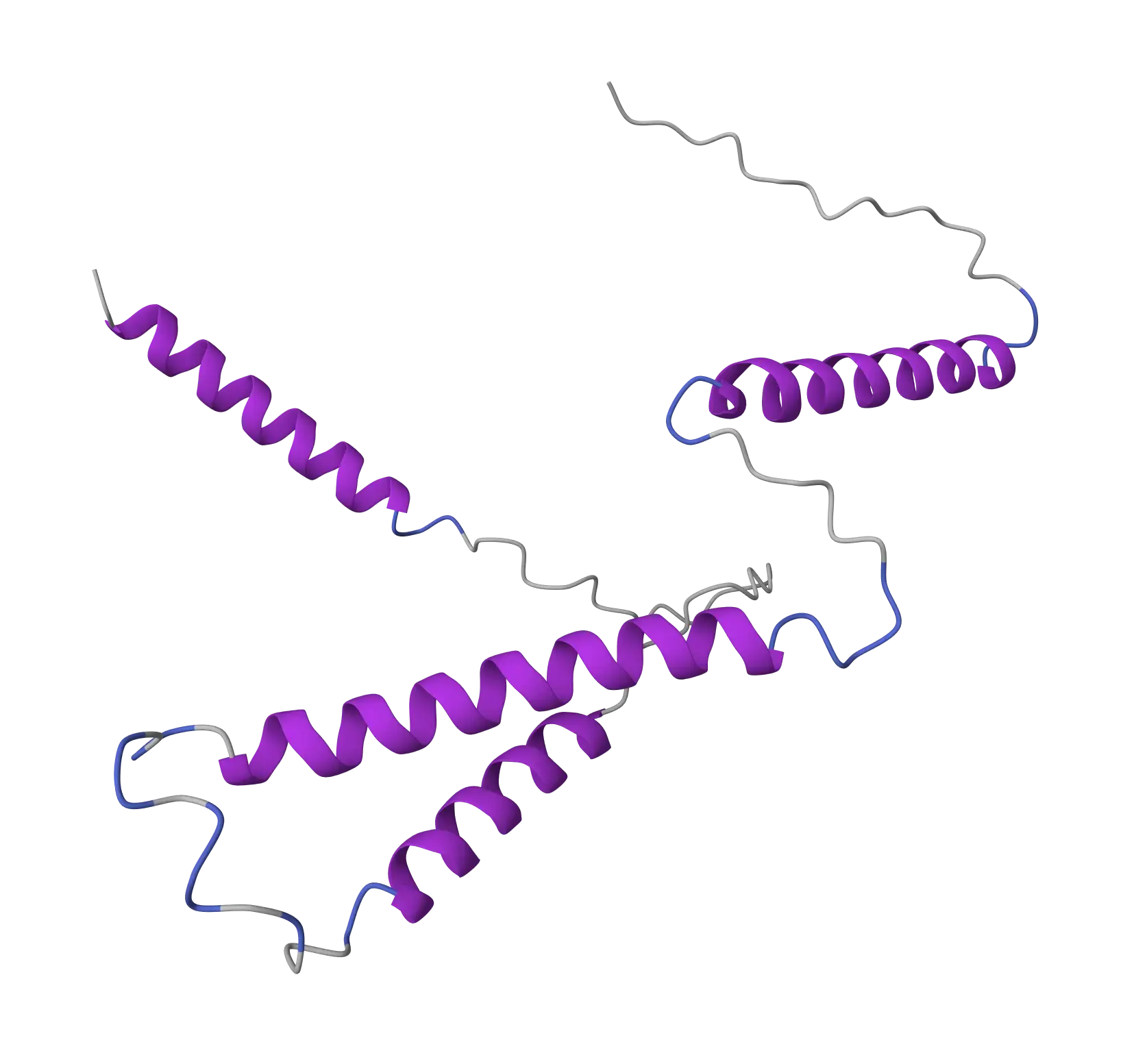
sh-Polypeptide-71 (former sh-Polypeptide-65) is a synthetic recombinant human Vasoactive Intestinal Peptide or VIP composed of up to 170 amino acids. This biologically active peptide regulates vasodilation in skin tissue, soothes inflammation, and enhances angiogenesis.
Promoting blood circulation, sh-Polypeptide-71 improves cell metabolism, oxygenation levels, and adequate elimination of metabolites. Thus, it is used in eye care applications to address dark circles, irritation, and puffiness in the eye area.
In addition, sh-Polypeptide-71 enhances the migration and proliferation of skin keratocytes, thereby enhancing regeneration, wound healing, and barrier function. It is also effective against fine lines and wrinkles.
sh-Polypeptide-71 helps treat contact dermatitis and psoriasis. Human clinical studies showed that this peptide significantly reduces inflammation, redness, and flakiness. When combined with other bioactive peptides, it is used in advanced complexes that promote hair growth and prevent hair loss.Synonyms
sh-Polypeptide-65 (retired)
VIP peptide
Clairesome-VP
Changed
References
Sympathetic System in Wound Healing: Multistage Control in Normal and Diabetic Skin
PMID:
36768369
DOI:
10.3390/ijms24032045
Hair Growth Booster Effects of Micro-Needling with Low-Level Led Therapy and Growth Factors on Subjects Treated with Finasteride®
DOI:
10.3390/app12189164
Regenerative Biotechnologies in Plastic Surgery: A Multicentric, Retrospective, Case-Series Study on the Use of Micro-Needling with Low-Level Light/Laser Therapy as a Hair Growth Boost in Patients Affected by Androgenetic Alopecia
DOI:
10.3390/app12010217
Localisation of VIP-and CGRP-like substances in the skin and sinus hair follicles of various mammalian species
PMID:
8791103
DOI:
10.1007/BF01457657
Vasoactive-intestinal-Peptide (vip) modulates the growth fraction of epithelial skin cells
PMID:
21584504
DOI:
10.3892/ijo.1.1.17