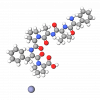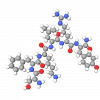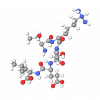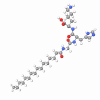
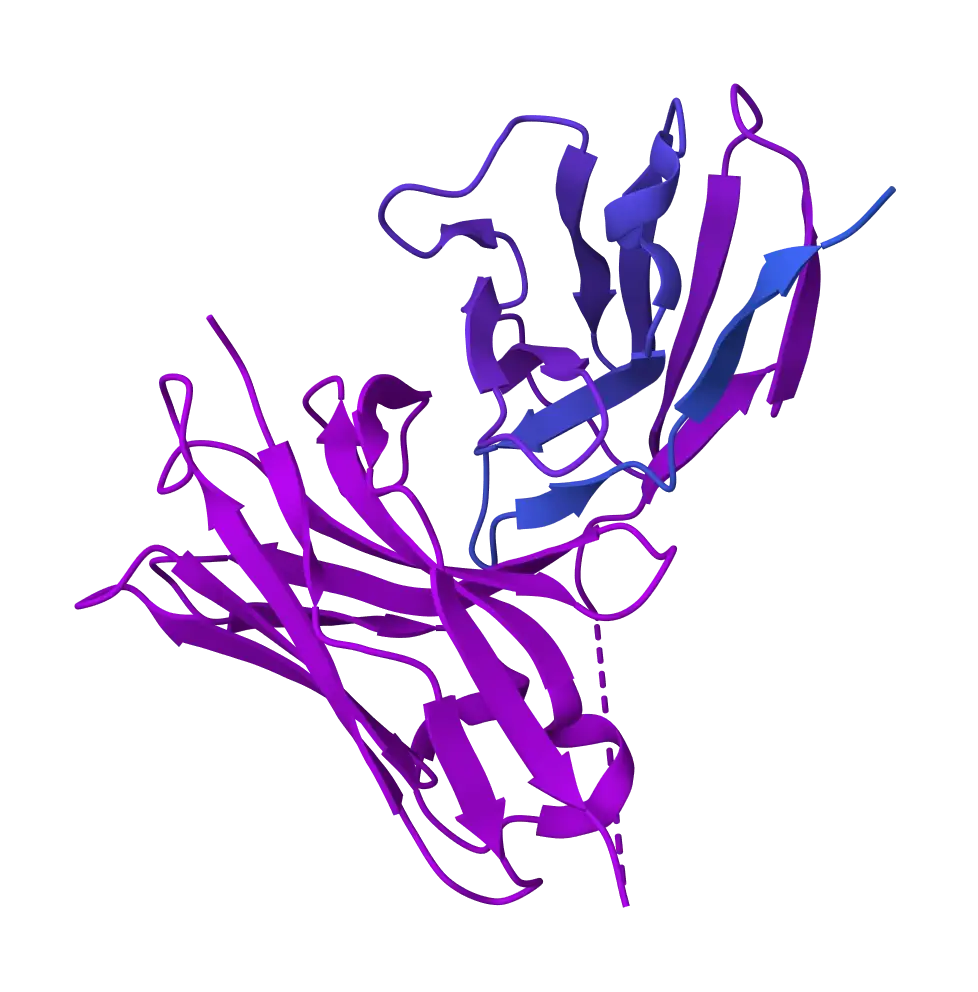
sh-Polypeptide-22 is a synthetic recombinant human transforming growth factor beta 1 (TGFβ-1) analog peptide composed of 113 amino acids. It stimulates cell proliferation and differentiation and heals wounds by activating the marginal division of epithelial cells and fibroblasts.
sh-Polypeptide-22 is a powerful stimulator of collagen, elastin, and fibronectin synthesis. It promotes microvascular cell renewal and improves blood microcirculation. In addition, it inhibits tyrosinase activity and reduces melanin production, leaving a noticeable skin whitening effect.
By suppressing the synthesis of pro-inflammatory cytokines, sh-Polypeptide-22 exerts a noticeable anti-inflammatory effect. In addition, it regulates immune responses, suppressing autoimmune processes. Studies suggest recombinant TGFβ-1 as a promising treatment in the case of atopic dermatitis.
Applied topically, sh-Polypeptide-22 leaves multiple beneficial effects on the skin, including:- Suppresses the growth and pigmentation of melanocytes
- Promotes maturation of keratinocytes
- Increases the synthesis of elastin and collagen in the human fibroblasts
- Decreases melanin production by mature melanocytes.
sh-Polypeptide-22 is a safe and effective ingredient valued for its skin brightening, firming, elasticity-enhancing, anti-wrinkle, and wound healing properties.