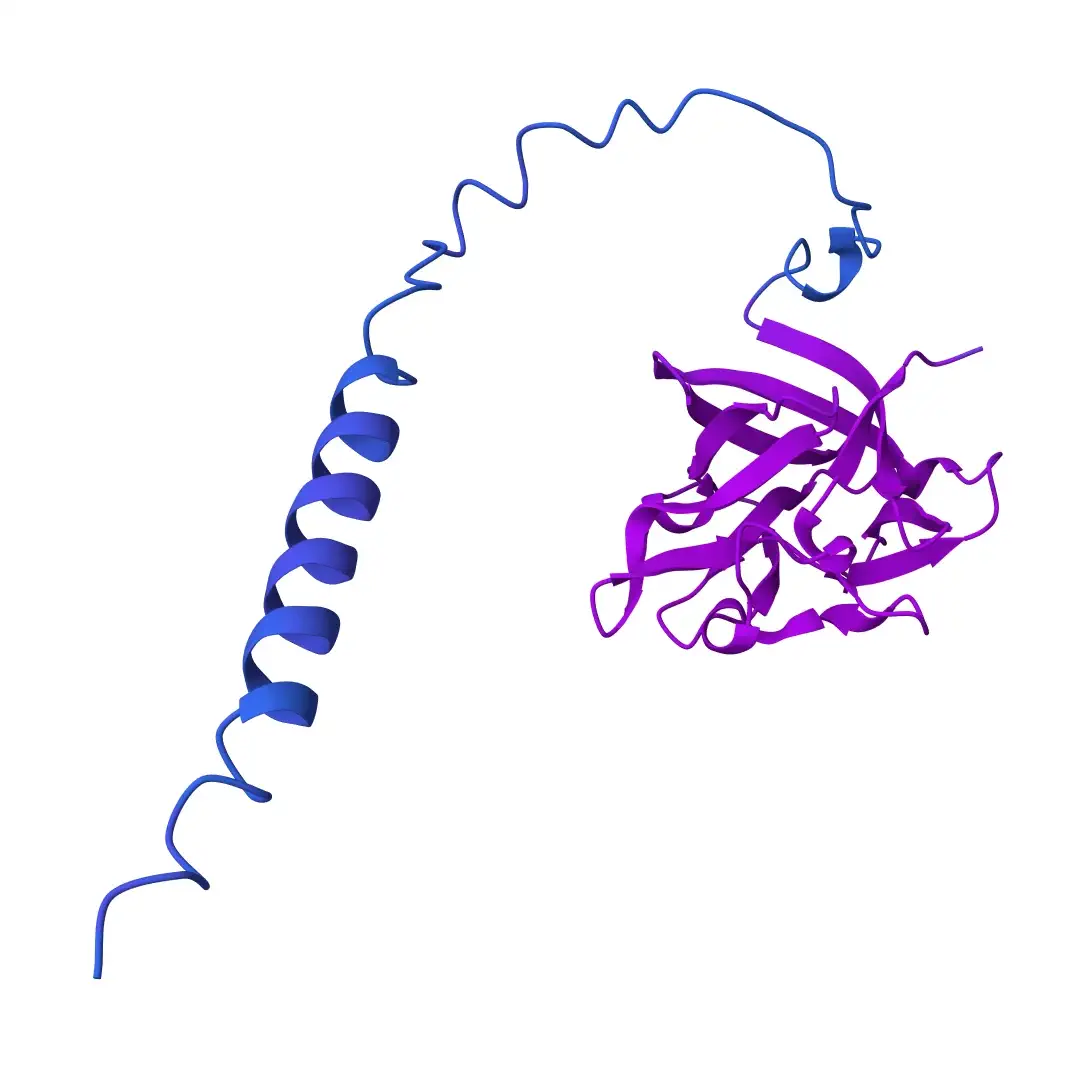
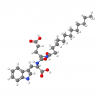
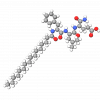
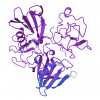
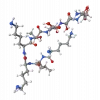
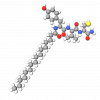
sh-Polypeptide-3 (former rh-Oligopeptide-5) is a single-chain synthetic recombinant peptide, an analog of human KGF (Keratinocyte Growth Factor). KGF was first described in 1989 as a human growth factor that stimulated epithelial cell proliferation.
sh-Polypeptide-3 affects the proliferation and differentiation of various cell types, as it is a part of the heparin-binding fibroblast growth factor (FGF) superfamily, FGF7. KGF is involved in early hair growth as an essential go-between.
sh-Polypeptide-3 promotes dermal cell adhesion, spreading, and proliferation, and boosts regenerative processes in the skin and wound healing. It is an essential mediator in epithelial repairs and mesenchymal interactions. It is used in medicine to treat the adverse effects of radiotherapy on the skin or the oral cavity.
In addition, sh-Polypeptide-3 strengthens hair follicles, stimulating hair growth and enhancing their mechanical properties, health, and appearance. The former designation was rh-Polypeptide-3 (rh- prefix means recombinant human).
Synonyms
Recombinant Human Keratinocyte Growth Factor
CG-KGF
rh-Polypeptide-3
Human Oligopeptide-5
rh-Oligopeptide-5
Fibroblast Growth Factor 7
Palifermin
Changed
References
Keratinocyte growth factor
Author(s):
Rubin JS, Bottaro DP, Chedid M, Miki T, Ron D, Cheon G, Taylor WG, Fortney E, Sakata H, Finch PW
PMID:
7640656
DOI:
10.1006/cbir.1995.1085
Effect of tumour-cell-derived or recombinant keratinocyte growth factor (KGF) on proliferation and radioresponse of human epithelial tumour cells (HNSCC) and normal keratinocytes in vitro
Author(s):
Hille A, Grüger S, Christiansen H, Wolff HA, Volkmer B, Lehmann J, Dörr W, Rave-Fränk M
PMID:
20213138
DOI:
10.1007/s00411-010-0271-7
Palifermin: in myelotoxic therapy-induced oral mucositis
Author(s):
Siddiqui MA, Wellington K
PMID:
16225371
DOI:
10.2165/00003495-200565150-00008
Non-viral liposomal keratinocyte growth factor (KGF) cDNA gene transfer improves dermal and epidermal regeneration through stimulation of epithelial and mesenchymal factors
sh-Polypeptide-10 is a synthetic recombinant single-chain peptide, an analog of human Fibroblast Growth Factor 10 (FGF10) that is involved in normal skin growth, regeneration, and wound repair.
Decapeptide-4 is a synthetic peptide known under the trade name CG-IDP2 that mimics the Somatomedin C (IGF-1) growth factor involved in normal skin growth, healing, and wound repair.
sh-Oligopeptide-4 is a synthetic recombinant Thymosin-β4 peptide that helps strengthen hair while stimulating hair follicles to produce healthier hair.
Decapeptide-10 is a synthetic peptide that boosts the generation of new dermal cells lessening the appearance of fine lines and wrinkles, preventing their formation, and strengthening hair follicles.
Although hair disorders are not life-threatening, their profound impact on social interaction and on patients' psychological aspects is undeniable. The demand for hair loss treatment has led to a multibillion-dollar industry.
Palmitoyl sh-Tripeptide-1 Amide is a low molecular weight synthetic recombinant lipo-peptide derived from FGF-1 (Fibroblast Growth Factor-1; sequence part 99-101) that is involved in various cellular processes, including angiogenesis, kerat
Bio-Placenta is a complex composed of synthetic growth factors (mimicking peptide placental growth factors), vitamins, amino acid derivatives, and hyaluronic acid encapsulated in Lecithin nanoparticles that simulate dermal cell growth and p
Octapeptide-2 is a synthetic peptide, a fragment of Thymosin β4, that strengthens hair and promotes its growth. It has the sequence Lys-Leu-Lys-Lys-Thr-Glu-Thr-Gln and is also known under the trade name Prohairlin-β4.
Palmitoyl sh-Tripeptide-3 Amide is a low molecular weight lipo-peptide derived from Pro-Epidermal Growth Factor (EGF; sequence position 894-896) that stimulates cell growth, proliferation, and differentiation by b