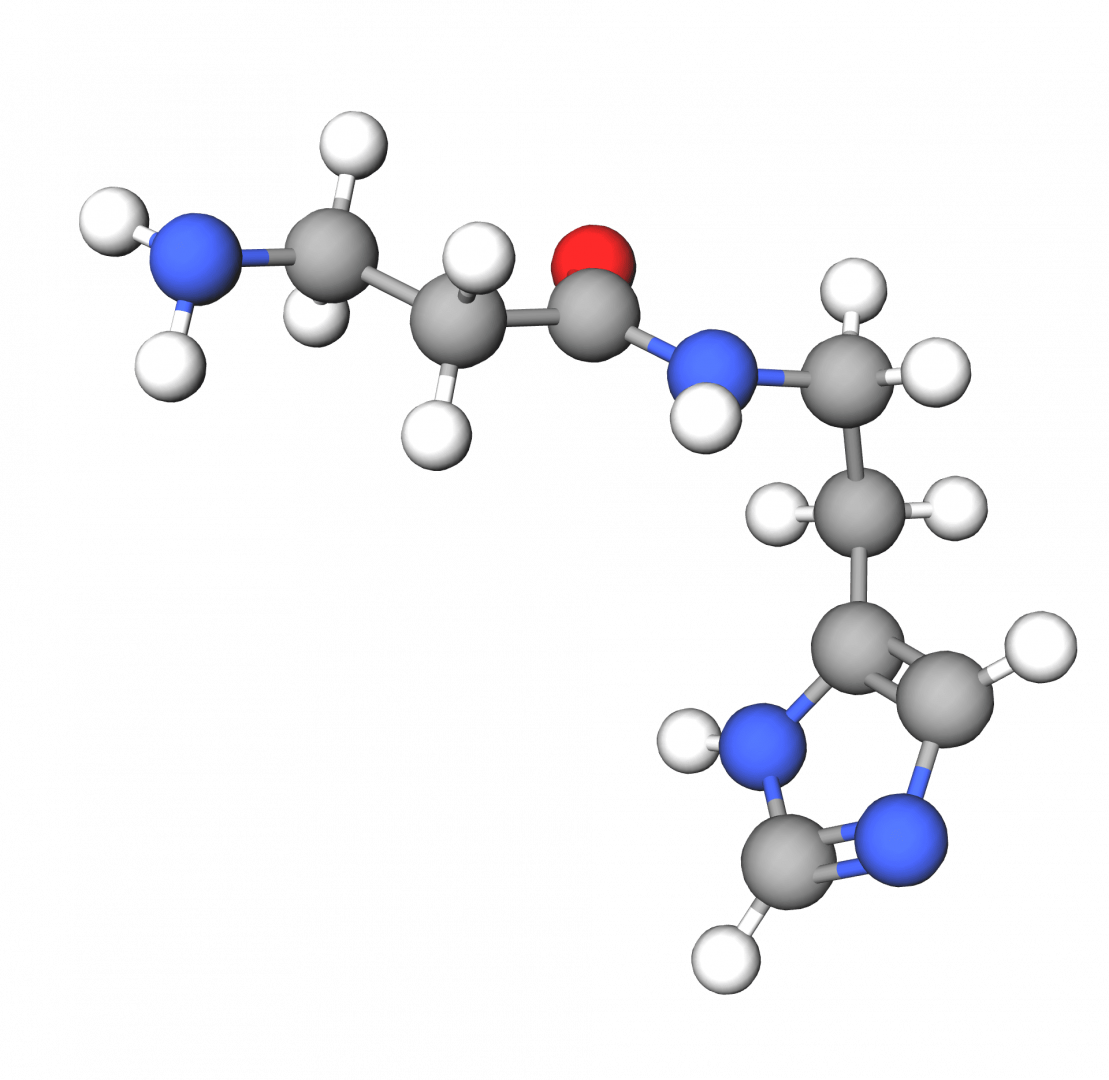
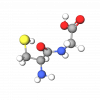
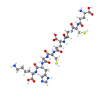
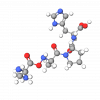
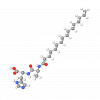
Alistin® (Decarboxy Carnosine) is a synthetic antiaging pseudodipeptide with high stability and resistance to enzymatic hydrolysis that causes cell membranes oxidative stress and dermal fiber from cross-linking.
Antioxidant action
Oxidative stress induces lipid peroxidation, and the hydroperoxides produced are dangerous reactive species. Standard antioxidants like widely used Tocopherol (Vitamin E) are effective before peroxidation and ineffective after hydroperoxide formation. On the other hand, Decarboxy Carnosine converts those reactive spices into non-toxic fatty alcohols, reducing damage and actively protecting cell membranes from oxidative stress.
This active antioxidant can repair cell membranes after oxidative stress by mimicking the action of peroxide destruction enzymes (peroxidases). Moreover, Alistin's structure contains Carnosine, a natural antioxidant produced by the body to protect against reactive oxygen species (ROS).
Prevention of collagen cross-linking
Skin proteins such as collagen suffer oxidative cross-linking under the effect of toxic reactive spices, resulting in browning fibers, loss of elasticity, and premature skin aging. Another essential protein and a natural antioxidant enzyme, SOD (Superoxide dismutase), also suffer from oxidative damage. Alistin protects both crucial proteins from oxidative stress and UV-induced damage, preserving the skin's natural protective mechanisms, elasticity, and natural beauty.
Carnosine is a dipeptide (ß-alanyl-L-histidine) found in the human body. The nature-identical "L" form L-Carnosine is a white odorless powder, soluble in water.
sh-Polypeptide-4 is a synthetic recombinant analog of human SCF (Stem Cell Factor, Mast Cell Growth Factor, or Kit ligand), a peptide of up to 273 amino acids.
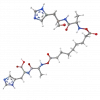
Azelaoyl Bis-Dipeptide-10 (Bipure) is an innovative tetrapeptide obtained by condensation from azelaic acid and two molecules of the Dipeptide-10 (alanine-histidine).
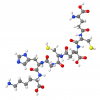
Glutamoyl Dipeptide-55 Gamma Tetrapeptide-58 is a synthetic heptapeptide using one of the small peptide sequences of proteins in soybeans. The manufacturer claims antioxidant, skin whitening, and wrinkle improvement actions.
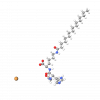
Copper Tripeptide-1 Palmitamide is a complex of copper with a synthetic lipopeptide, a modification of the famous GHK peptide (Tripeptide-1) in which the terminal lysine's amino group is acylated with palmitic acid.
Quintescine™ IS is a peptide-based complex ingredient that mimics glutathione action leaving antioxidant, anti-glycation, and anti-aging effect on the skin.
Glutamoyl Cysteinoyl Beta-Alaninoyl Glutamoyl Tetrapeptide-58 is a synthetic octapeptide manufactured through the chemical synthesis of motifs found in soybean peptides.
Preventhelia® is a tetrapeptide that fights the detrimental effects of UV radiation on human skin, protecting and repairing DNA, thus preventing premature aging.
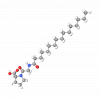
Palmitoyl Dipeptide-10 is a synthetic lipopeptide (Sequence Pal-Ala-His) with Carnosine-like action. It is also known under the trade names SunPEP Di-100 and C-Pep™.
Detoxiquin is a peptide-based complex ingredient that unites Snow mushroom extract with an iron-containing synthetic peptide to protect DNA from reactive radicals, reduce lipid peroxidation, and decrease protein degeneration.