Functions
Soothing
Anti-inflammatory
Anti-histamin
Anti-allergic
Humectant
FDA UNII
6GY6UY4UR7
INCI name
sh-Polypeptide-6
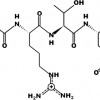
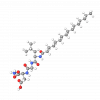
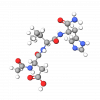
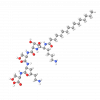
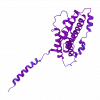
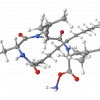
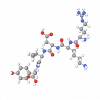
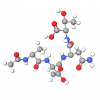
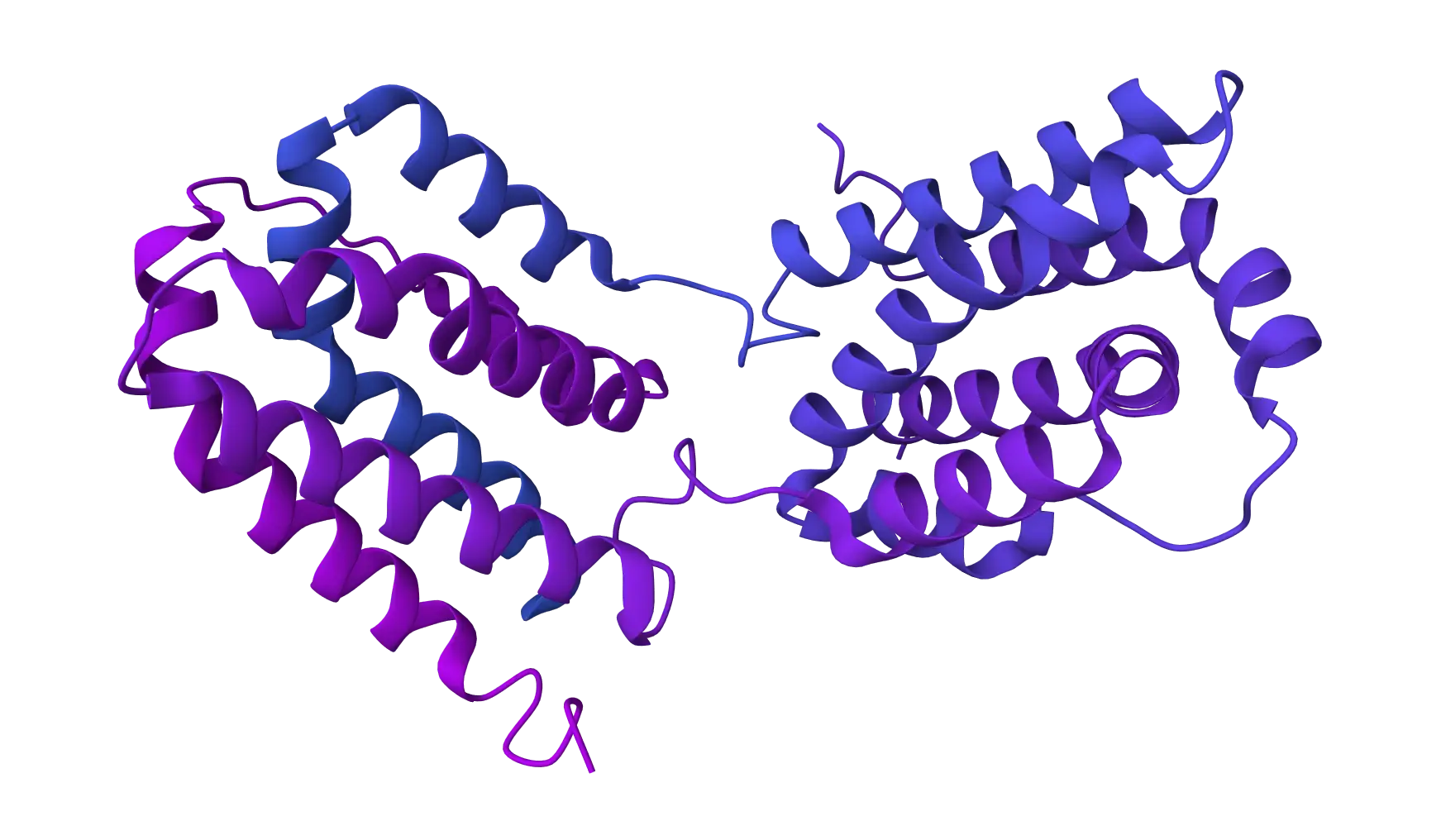
sh-Polypeptide-6 is a synthetic recombinant single-chain peptide, an analog of human Interleukin 10 (IL-10). Interleukin 10 is an anti-inflammatory cytokine that regulates the immune response and antibody production.
sh-Polypeptide-6 alleviates itching and burning where the skin has come into contact with an allergen. It is effective in the case of psoriasis, and an abnormal immune system that produces too many immune cells.
Although recombinant IL-10 can downregulate collagen type I production, it prevents scar tissue formation in wound healing. Some researchers suggest it as a treatment for keloid scarring.
As an anti-histamine or immunosuppressive agent, sh-Polypeptide-6 reduces scratching and inhibits autoimmune reactions. It is a safe soothing ingredient for reactive or sensitive skin.Synonyms
rh-Polypeptide-6
CG-IL-10
Human Oligopeptide-8
rh-Oligopeptide-8
Ilodecakin
Changed
References
Interleukin-10 in cutaneous disorders: implications for its pathophysiological importance and therapeutic use
PMID:
10651163
DOI:
10.1007/s004030050467
Interleukin-10 reduces scar formation in both animal and human cutaneous wounds: results of two preclinical and phase II randomized control studies
PMID:
23627460
DOI:
10.1111/wrr.12043
Interleukin-10 modulates type I collagen and matrix metalloprotease gene expression in cultured human skin fibroblasts
PMID:
7989607
DOI:
10.1172/JCI117618
Response of psoriasis to interleukin-10 is associated with suppression of cutaneous type 1 inflammation, downregulation of the epidermal interleukin-8/CXCR2 pathway and normalization of keratinocyte maturation
PMID:
11180010
DOI:
10.1046/j.1523-1747.2001.01248.x
Regenerative Wound Healing: The Role of Interleukin-10
PMID:
24757588
DOI:
10.1089/wound.2013.0461
Keloid scarring: bench and bedside
PMID:
19360429
DOI:
10.1007/s00403-009-0952-8