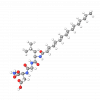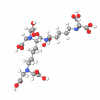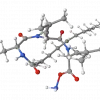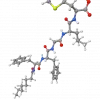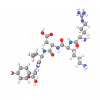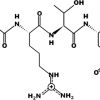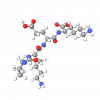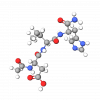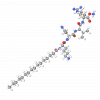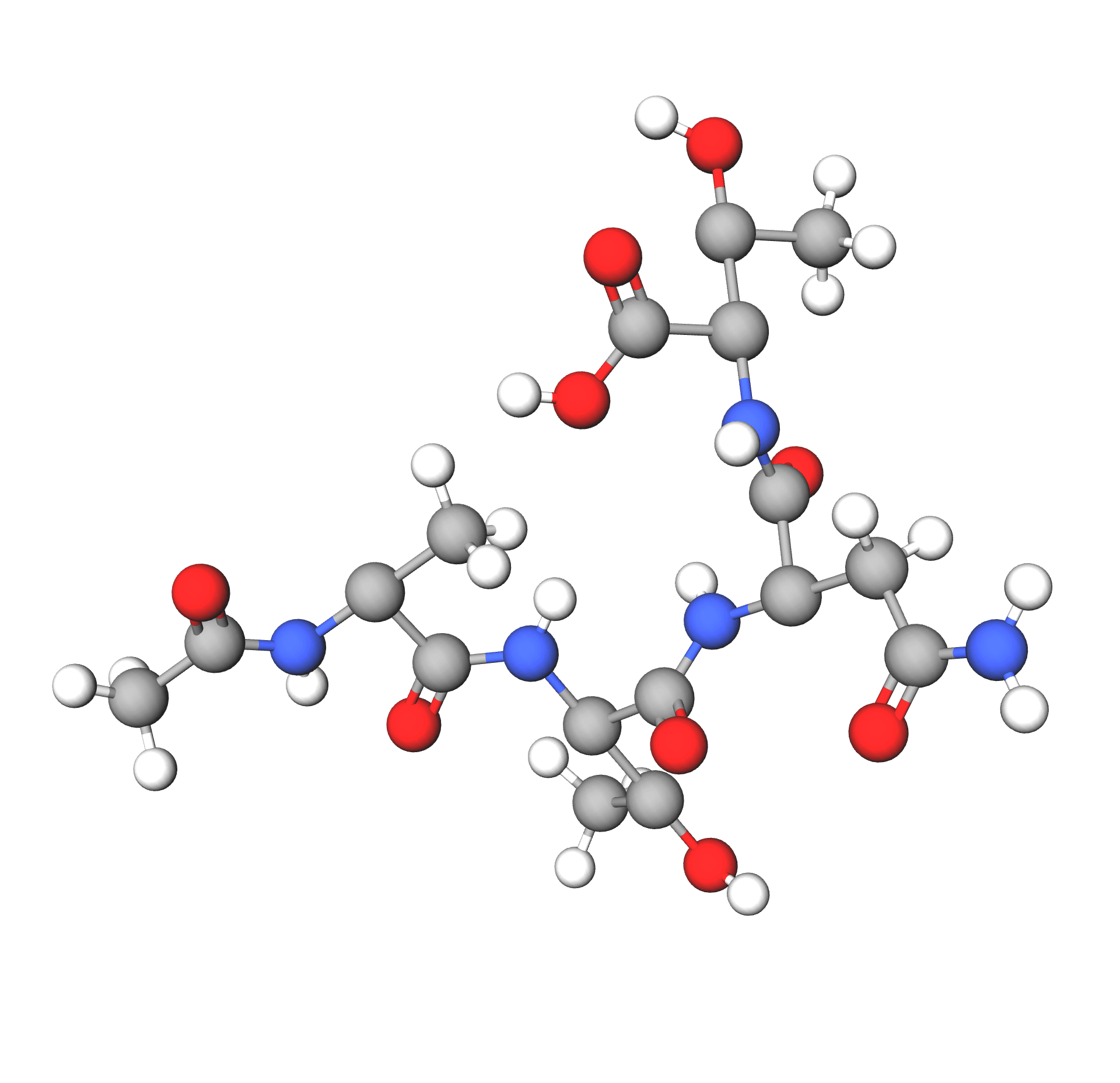
Acetyl Tetrapeptide-40 is a synthetic peptide that decreases the release of pro-inflammatory interleukins (IL-6 and IL-8), fighting against skin redness, erythema, and telangiectasias. It is known under the trade name Telangyn™, and the sequence is Acetyl-Ala-Thr-Asn-Thr.
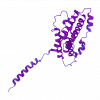
Cathelicidins are antimicrobial peptides that protect the skin from infections. LL-37 is a 37-amino-acid-long peptide, a human cathelicidin. Its overexpression increases pro-inflammatory interleukin production, resulting in an excessive inflammatory response appearing as erythema, irritation, or similar skin conditions.
According to the manufacturer, Acetyl Tetrapeptide-40 limits interleukin release, regulating and normalizing the skin's inflammatory response, reducing post-inflammatory hyperpigmentation, dilated capillary appearance, and erythema. Limiting excessive immune response also prevents activation of matrix metalloproteinases (MMPs), which are responsible for the degradation of the skin's structural proteins (mainly collagen), thereby preserving skin elasticity, firmness, and resilience.
In addition, Acetyl Tetrapeptide-40 modulates UV-induced skin inflammation and exhibits photoprotective properties, reducing dermal cell damage and other adverse effects. In addition, it prevents the enhancement of melanin production typical of the post UV exposure period or inflammatory conditions. It is a safe and effective ingredient, used in minimal concentrations of 0.05% for after-sun, soothing, and anti-aging applications.References
- Little peptide, big effects: the role of LL-37 in inflammation and autoimmune diseasePMID:24185823DOI:10.4049/jimmunol.1302005
- Keratinocytes secrete multiple inflammatory and immune biomarkers, which are regulated by LL-37, in a psoriasis mimicking microenvironmentPMID:35872634DOI:10.1111/sji.13096
- Expression and modulation of LL-37 in normal human keratinocytes, HaCaT cells, and inflammatory skin diseasesPMID:16100459DOI:10.3346/jkms.2005.20.4.649
- Low concentrations of LL-37 alter IL-8 production by keratinocytes and bronchial epithelial cells in response to proinflammatory stimuliPMID:19527294DOI:10.1111/j.1574-695X.2009.00571.x
- Human antimicrobial peptide LL-37 modulates proinflammatory responses induced by cytokine milieus and double-stranded RNA in human keratinocytesPMID:23524263DOI:10.1016/j.bbrc.2013.03.024