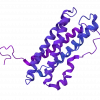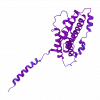
Some neuropeptides produced locally, within the skin, have natural anti-inflammatory activities. Proopiomelanocortin (POMC), a neuroendocrine protein found in the skin in response to local stressors, is an important precursor of such neuropeptides. To express its anti-inflammatory potential, POMC first needs to be processed in smaller pieces called melanocortins (MSH) (α, α, and α ) and corticotropin (ACTH), which are recognized as key modulators of the cutaneous immune and inflammatory reactions.
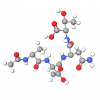
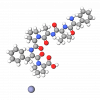
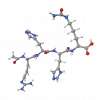
Based on recent scientific evidence that POMC-derived neuropeptides exert anti-inflammatory activity in the skin through binding and activation of the MC1-R. A series of biomimetic peptides derived from the sequence of α -MSH and tested for agonistic activity on that specific receptor. Among the molecules tested, Tripeptide-8 distinguished itself for having excellent binding affinity for MC1-R, highly specific anti-inflammatory activities, and reduced potential for stimulating melanogenesis.
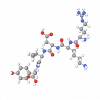
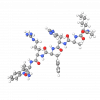
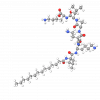
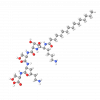
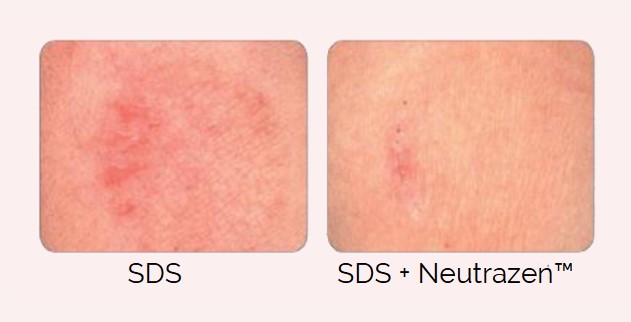
Neutrazen™ is a lipopeptide, composed of three amino acids coupled to palmitic acid (Palmitoyl Tripeptide-8). Lipid coupling is known to facilitate peptide absorption through the skin. In vitro, Neutrazen™ binds MC1-R with an affinity comparable to that of α-MSH. However, contrary to α-MSH, Neutrazen™ had only weak melanogenic activity. In keratinocytes, Neutrazen™ down-regulates the production of UVB-induced inflammatory cytokines such as interleukin-8 (IL-8).
In fibroblasts, Neutrazen™ inhibits the release of IL-1-induced IL-8 production, reinforcing its anti-inflammatory potential. It is a true neurocosmetic offering a soothing activity for sensitive skin. When tested in an ex vivo model of neurogenic inflammation, Neutrazen™ inhibited SP-induced TNF-αa production and prevented vasodilation.The binding of the POMC-derived neuropeptide α -MSH to the melanocortin-1 receptor (MC1-R) leads to the downregulation of proinflammatory cytokines such as IL-1, TNF-α, and IL-6, upregulation of the cytokine synthesis inhibitor IL-10, inhibition of IL-8-induced biological responses in macrophages and neutrophils, as well as inhibition of adhesion molecule expression with subsequent reduction in leukocyte migration. Binding to MC1-R is crucial for the anti-inflammatory actions of α -MSH.