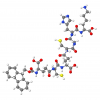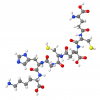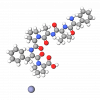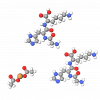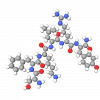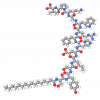
Glutamoyl Cysteinoyl Beta-Alaninoyl Glutamoyl Tetrapeptide-58 is a synthetic octapeptide manufactured through the chemical synthesis of motifs found in soybean peptides. It is known under the Catchitide-2 and is designed for antioxidant, whitening, and wrinkle improvement action.
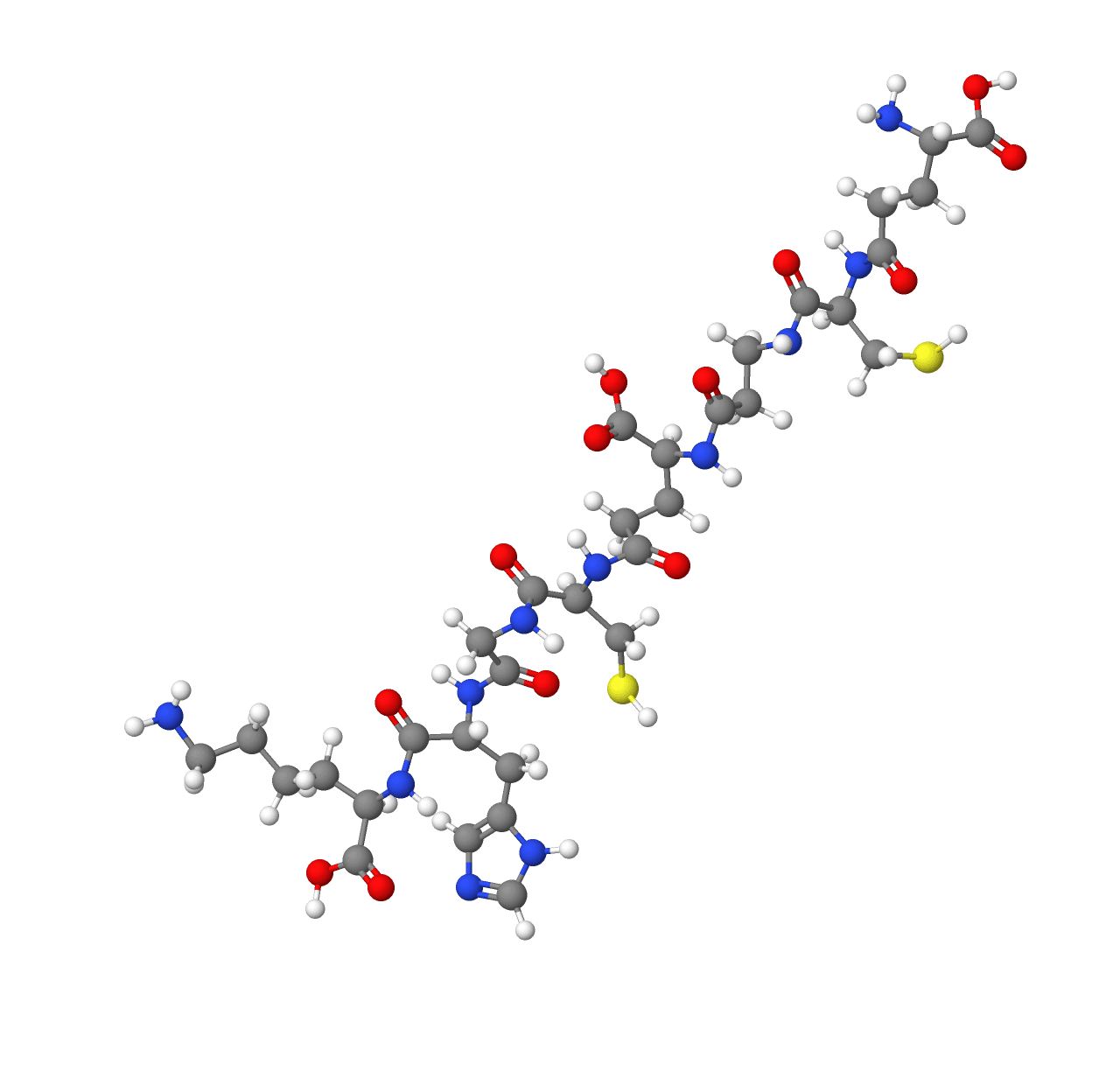
Its sequence is γ-Glu-Cys-β-Ala-γ-Glu-Cys-Gly-His-Lys. Among the small peptide sequences of proteins in soybeans, the gamma-glutamic acid-cysteine sequence is combined with a tetrapeptide that is effective in collagen proliferation and provides antioxidant and protective properties.
The motif γ-Glu-Cys-β-Ala corresponds to Homoglutathione (hGSH), a plant antioxidant, which is an analog of human endogenous Glutathione (GSH) with similar effects. Thanks to cystein's -SH thiol group, it acts as a reducing agent, maintaining redox balance and protecting dermal cells against oxidative stress.
Tetrapeptide-58 (Cys-Gly-His-Lys) contains the terminal Gly-His-Lys motif, which corresponds to a matrikine, a fragment of collagen type I called Tripeptide-1 or GHK-peptide. Many Tripeptide-1 derivatives are successfully used in different anti-aging, anti-hair-loss, and lip care application demonstrated high effectivity and performance.According to the manufacturer, Glutamoyl Cysteinoyl Beta-Alaninoyl Glutamoyl Tetrapeptide-58 is designed to have multi-functional effects, such as wrinkle smoothing, showing more than 150% better effects than existing tripeptides.