
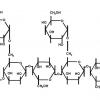
Guar gum is a plant polysaccharide obtained from the shrub's seeds, Cyamopsis Tetragonoloba, which, like the soybean, belongs to the Family Leguminoseae. It is a non-ionic, salt-tolerant galactomannan with excellent thickening properties.
Carbohydrates
This group is composed of highly effective skincare ingredients derived from diverse natural sources, including plants, grains, fungi, and yeast. The majority of carbohydrates incorporated into beauty formulas are glucans, long chains of glucose molecules that are linked together. Being derived from plants or microorganisms, these compounds are pretty familiar to our body cells, so they don’t cause any dermal irritation or sensitization. Some of the glucans are even utilized in the food industry. They are safe in concentrations used in cosmetics.
Glucans are a total win-win for all skin types. First, these carbohydrates are exceptional moisturizers. Applied to the top layer of the epidermis, they form a delicate layer on it and, thus, hinder water evaporation from the surface of the face. On the other hand, due to their chemical structure, they can bond with water molecules and retain them within the dermal layers. The double-moisturizing effect of these molecules protects the skin from dehydration, subsequent dermal destruction, and wrinkle formation.
Next, they are potent antioxidants and anti-inflammatory agents. These carbohydrates efficiently hunt and neutralize free radicals, which are the leading cause of collagen quantity drop and wrinkling. Actively penetrating the epidermis and dermis, they also halt the harmful cascade of inflammatory processes and prevent degradation of the skin's framework.
Additionally, these compounds are involved in inhibiting melanin production. In this way, they combat hyperpigmentation, one of the most common skin aging issues. And this is not the end. Some carbs are incorporated into beauty formulations to serve as prebiotics (food for dermal microflora). Microorganisms are an essential part of our body's uppermost layer, and their bioactivity directly affects skin integrity. This is why microbiome-friendly beauty formulas are one of the trends of 2021.Taking into account all these impressive benefits of polymeric carbs, many famous beauty experts mention glucans as must-have ingredients of result–delivering skincare products.
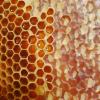
Honey is an ingredient that evokes magic, purity, and goodness in the consumer's mind. Honey has been used in cosmetics since time immemorial for its ability to moisturize skin and hair.
Hydrogenated Starch Hydrolysate is a modified poly-glucose matrix that is used to encapsulate active and non-active cosmetic ingredients.
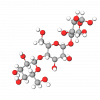
Hydrolyzed Beta-Glucan is a mixture of oligosaccharides, a high-efficiency ingredient with a controlled molecular weight of between 1 and 15 kilodaltons. It is a colorless to pale yellow liquid composed of glucose and the somewhat rarer sugar talose.
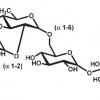
Hydrolyzed Candida Saitoana Extract is a yeast hydrolysate that contains high amounts of α-glucan oligosaccharides with detoxifying properties.
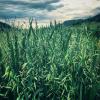
Oats are an excellent source of manganese and selenium – which may assist in building strong bones and promoting a healthier immune system; phosphorous; B Group Vitamins; magnesium; zinc, and dietary fiber.
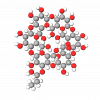
Cyclodextrins are a well-known group of natural carbohydrates that, due to their novel cyclic structure, can act as the host in the host-guest complex.
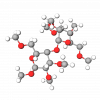
Hydroxypropyl Methylcellulose is a water-soluble polymer offering a broad range of properties. It is a multifunctional cellulose-based thickening agent - for improved foam quality.
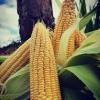
Corn starch is a vegetable polymer used for decades in the food, pharmaceutical, and cosmetic industries.
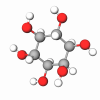
Inositol is a powerful skin moisturizer and a substance that optimizes the skin's water-lipid barrier. Inositol molecules are incorporated into membrane lipids, enhancing the natural defenses of the skin.
Inulin is an indigestible fiber that promotes the growth of beneficial bacteria on the skin surface. Thus, they have positive health effects and are even implicated in disease prevention (prebiotic effects).
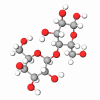
Lactose is good probiotic as it's a nutrient for Lactobacillus and Bifidobacteria. Meanwhile, the majority of harmful bacteria and yeast unable to hydrolyze (into galactose and glucose) and consume it. It changes and improves skin microbiota balance providing a healthy, youthful, and refreshed appearance.
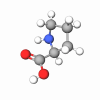
Lipomoist-2036 is a complex that forms a monolayer molecular film that contains a dispersion of heteropolysaccharides, amino acids, and plant-derived peptides obtained by the microfluidization method under very high pressure.
LP FOS complex improves the balance of the skin’s micro-flora for an optimal protection barrier.
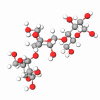
Maltodextrin is a generalized name for polysaccharides composed of short-to-medium long chains of glucose units (from 3 to 20 units, linked primarily by α-1–4 bonds) produced from starch.
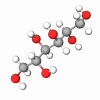
Mannitol has hydrating and antioxidant properties that make it an ideal ingredient for use in skincare formulations.
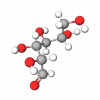
Mannose is a simple monosaccharide sugar, a stereoisomer of glucose found in many plants and the human body. It plays an essential role in biological processes in the human body, particularly in protein glycosylation.
Cellulose derivatives have the polymeric backbone of cellulose, with repeating anhydroglucose units. After alkaline treatment, cellulose is reacted with methyl chloride to yield methyl ether groups.
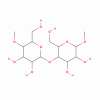
Microcrystalline cellulose is purified, isolated colloidal crystalline cellulose derived from fibrous plants. It is a white, free-flowing powder that is odorless and insoluble in water.
Pectin is a general term describing a group of heteropolysaccharides abundant in plant cell membranes.
Pentavitin® is a complex of vegetable carbohydrates capable of binding and retaining moisture in the skin for a long time. Vegetable carbohydrates are very similar in composition to carbohydrates in the upper layer of the epidermis.
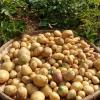
Potato Starch Modified is an off-white powder used as a thickener or emulsion stabilizer in skin care applications. It delivers a soft and velvety after-feel.
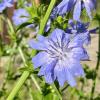
Prebiulin is a natural prebiotic that balances the skin micro-flora by assisting to restore due to any disruptions.
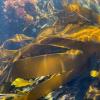
Propylene Glycol Alginate (PGA) is a general name of 1,2-propane-diol esters with alginic acid (algin), usually obtained from Laminaria or Macrocystis species of brown seaweeds after a series of purification steps.
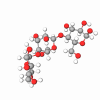
Pullulan is a naturally occurring polysaccharide produced by fermentation providing an instant lifting-tightening effect and smoother texture to the skin.
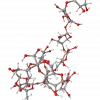
The discovery of Rhizobian gum stems from agronomic research and the study of soil microorganisms living in symbiosis with plants. A specific microorganism identified as a Rhizobium bacterium lives in contact with the roots of sunflowers.
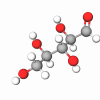
The fundamental building block of the ATP molecule, D-Ribose, induces the production of new energy units (ATP) to restore the energetic pool and increases skin cell respiration to recover an optimal cellular metabolism.
Saccharide Isomerate increases the water-binding capacity of the stratum corneum; adheres to the keratin of the horny layer; reduces dryness and irritation caused by Alpha Hydroxy Acids (AHAs).
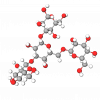
Schizophyllan is a natural β-glucan polysaccharide produced by the mushroom Schizophyllan Commune.
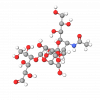
Sialyllactoses are the core functional oligosaccharides in the mother's milk. They protect an infant from external viral infection when its immune system is not fully developed.