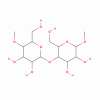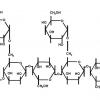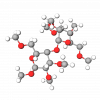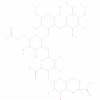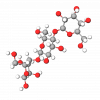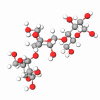
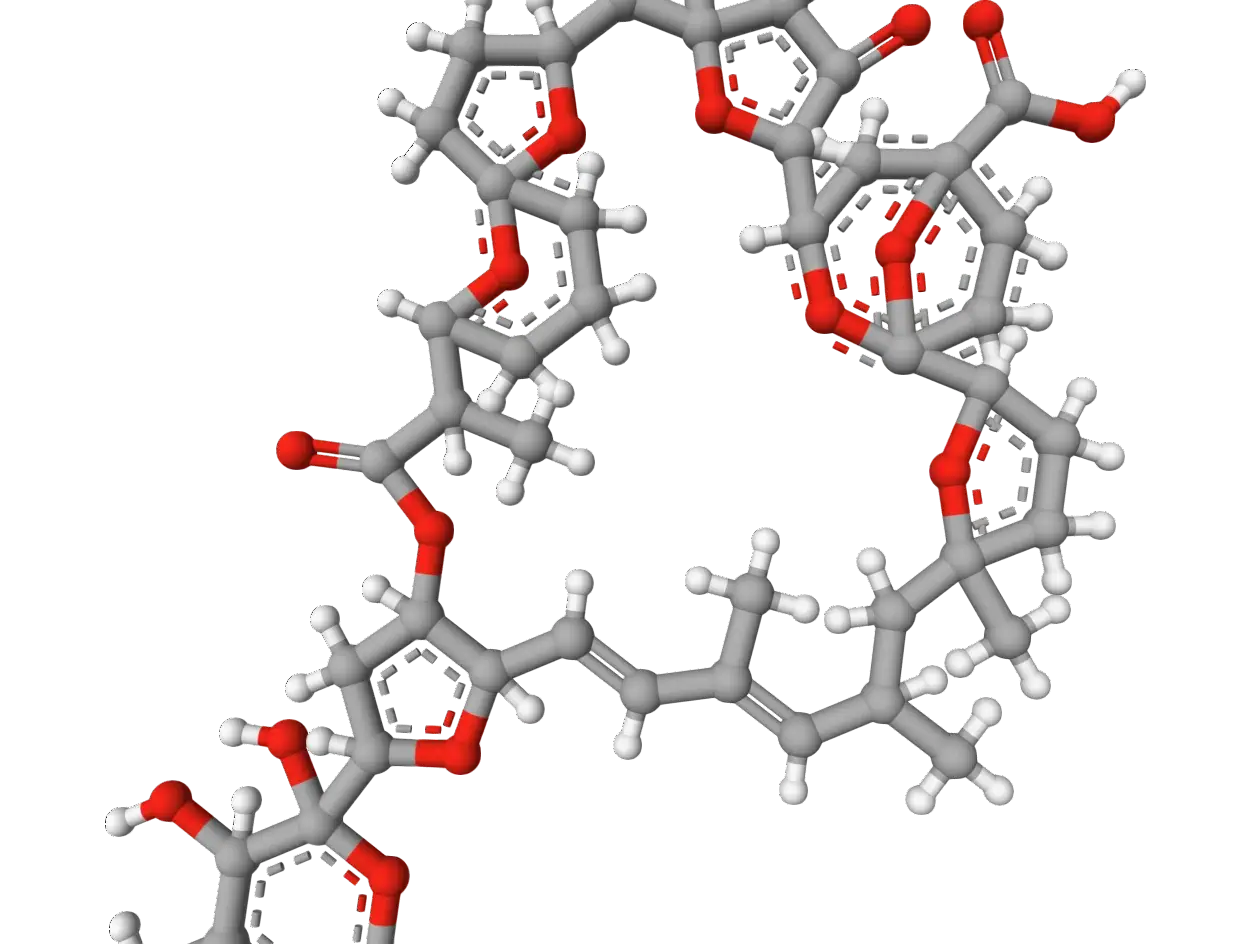
Pectin is a general term describing a group of heteropolysaccharides abundant in plant cell membranes. Pectins are polymers of mainly galacturonic acid sub-units, combined with rhamnose, apiose, galactose, arabinose, xylose, and other glycosyl residues. Pectins, natural and versatile ingredients in personal care products, are extracted from food industry byproducts such as apple, citrus, and other fruit peels.
Pectin is available in various polygalacturonic types (high-methoxy, low-methoxy, and amidated) with specified gelling conditions, pH ranges, total solids, cations, and temperature requirements, among others. The manufacturer should request detailed specifications and applications from their pectin supplier.
One of the features of using Pectin is its acid stability and ability to form gels in acidic systems, such as those containing alpha-hydroxy acids. These gels or lotions are now being marketed to improve skin texture and eliminate dead skin cells. Moreover, it provides additional benefits, acting as an antioxidant and humectant.
In addition, Pectin forms synergistic gelling systems, such as those consisting of locust bean gum and xanthan gum, which form heat-reversible, flexible gels. It also forms films when cast as a thin layer and dried to the desired moisture content.Pectin-based hydrogels can be loaded with Allantoin, vitamin forms, and other active ingredients, providing uniform distribution, enhanced bioavailability, and improved efficacy. In addition, Pecting can form micro- and nano-capsules that act as a natural delivery vehicle, protecting unstable ingredients from degradation, enhancing stability, and improving the sensory properties of the formulation.