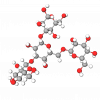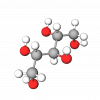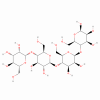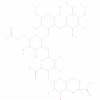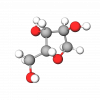
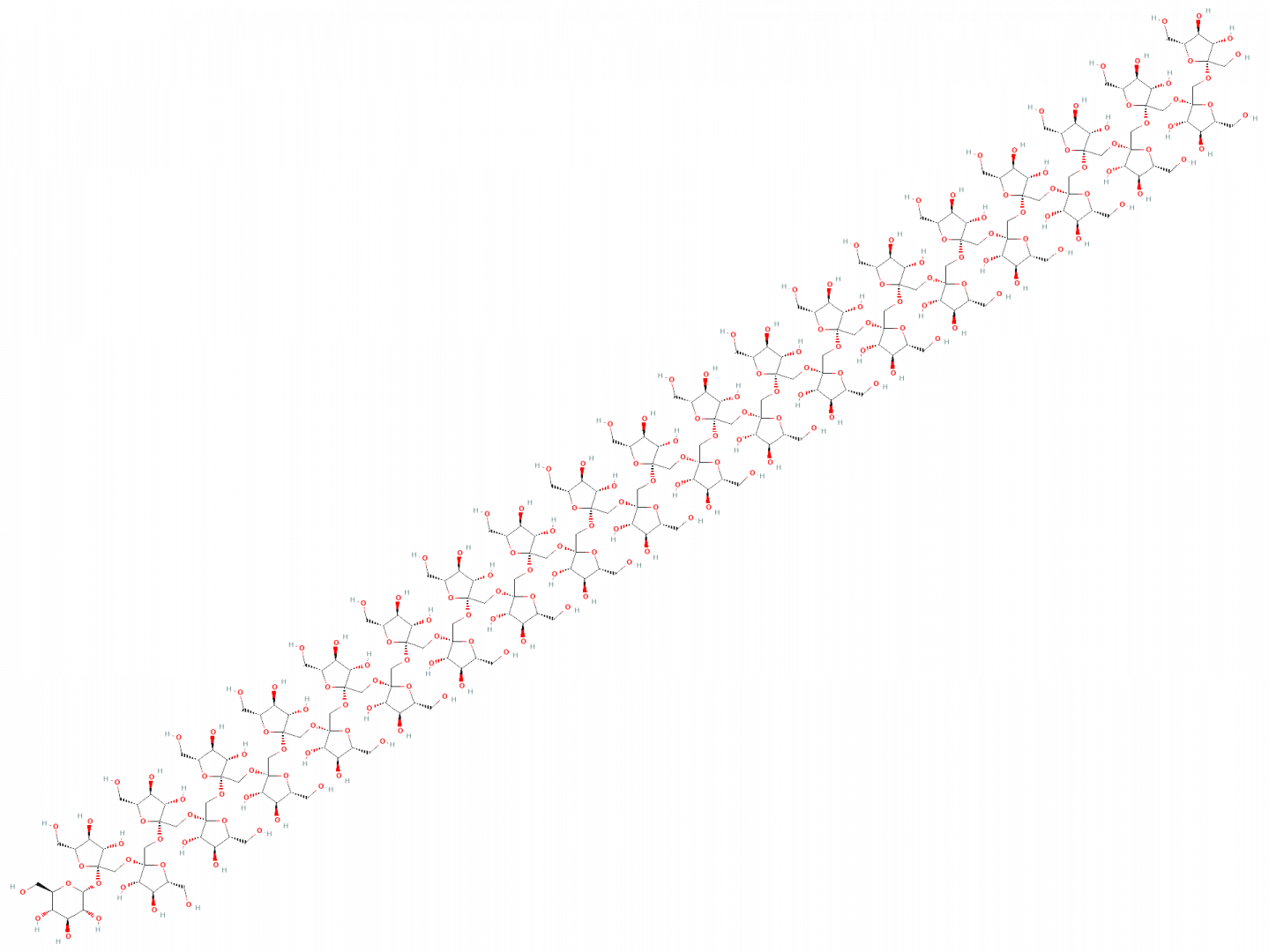
Inulin is a polysaccharide (a fructan) made almost exclusively of linked fructose subunits. Inulins are soluble dietary fibers mainly produced in chicory, onion, Jerusalem artichoke, and garlic, among other fructans.
Today, inulins and other polyfructoses (fructans), usually extracted from chicory, are used in yogurts and other dairy foods to enhance their nutritional value (functional foods); therefore, they are safe and well-studied ingredients for skincare formulations.
Inulin is an indigestible fiber for normal dermal flora and promotes the growth of beneficial bacteria on the skin surface. Thus, they have positive health effects and is even implicated in disease prevention (prebiotic effects). Some researchers mention its antimicrobial action, which could be useful as a botanical preservative in personal care products.
Like other polysaccharides, Inulin is an excellent humectant that improves dermal moisture content, enhancing the skin's water-binding ability. Thanks to its film-forming properties, it can be used in leave-on products as a natural, protective, breathable barrier that improves skin texture, enhances dermal defense mechanisms, and accelerates recovery after UV exposure.In cleansing applications, Inulin also acts as a mitigating agent that reduces the irritating potential of detergent surfactants. Moreover, it reduces skin sensitization rates.
Combined with other polymers, it can serve as an active-ingredient delivery vehicle and suspension/dispersion stabilizer in topical applications. Inulin/polyvinyl alcohol vehicles show promising results in transepidermal delivery of the skin-whitening agent Arbutin, with improved performance due to controlled release of the active ingredient.