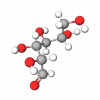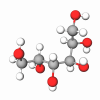
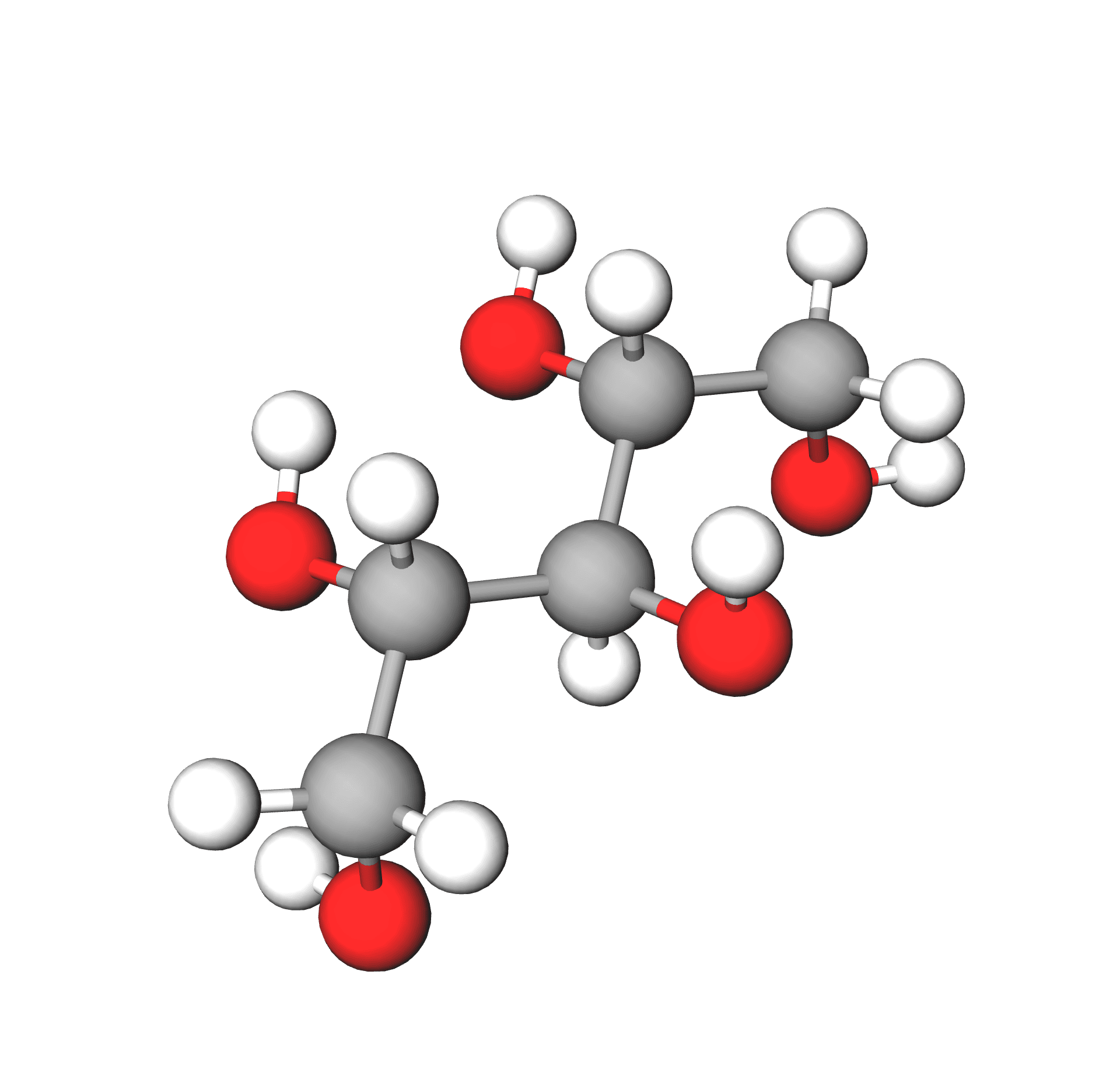
Xylitol is a (C5 pentahydroxy) sugar alcohol, a low-calorie sugar substitute (40% fewer calories than an equivalent amount of table sugar [sucrose]) that looks and tastes like sugar. Strikingly, Xylitol does not significantly change blood glucose or insulin levels. The United States Food and Drug Administration approved Xylitol as a sweetener in the 1960s. The only side effect is a possible slight laxative effect if a lot is eaten, the same as with most artificial sweeteners.
Xylitol can be produced by direct chemical synthesis; however, biotechnological production (microbes assimilate xylose, producing Xylitol) from lignocellulosic biomasses is an eco-friendly process. In addition, biochemical production methods avoid toxic residues or intermediate byproducts from chemical synthesis, which is preferable from a market, sustainability, and environmental perspective.
Internally, Xylitol inhibits Candida albicans, relieves dry mouth, decreases protein glycation (reduces AGEs), and reduces carbohydrate cravings and binge eating, playing an essential role in weight loss. Another highly significant effect is Xylitol's potential to prevent osteoporosis.
Researchers in Finland have worked with Xylitol for the last 30 years. Regular consumption results in fewer cavities, improved periodontal (gum) health, and reduced nasal, sinus, and oropharyngeal infections. It is also effective against H. pylori, the microorganism implicated in periodontal disease, bad breath, gastric and duodenal ulcers, and stomach cancer. So, it is a common ingredient in toothpaste and other oral care products, improving enamel demineralization, fighting oral bacteria, and preventing dental cavities.Incorporated into skin care applications, Xylitol has multiple beneficial effects, including antibacterial, anti-glycation, barrier-enhancing, immunomodulating, and hydrating properties. Thanks to its numerous OH groups and small-molecule size, it penetrates the epidermis while attracting water molecules. It improves skin hydration, providing elasticity, volume, and density. It protects the skin from harmful bacteria, prevents glycation of structural proteins and premature aging, and regulates sebum production. Also, it has a slight cooling effect.
Xylitol is a safe and well-studied ingredient for personal care applications.
After the introduction of sugarless gums containing Xylitol to the market, veterinarians quickly found that it is toxic to dogs. Although it is nontoxic to mammals, it stimulates insulin production and sometimes hepatopathy in dogs.