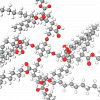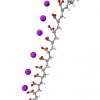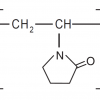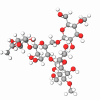
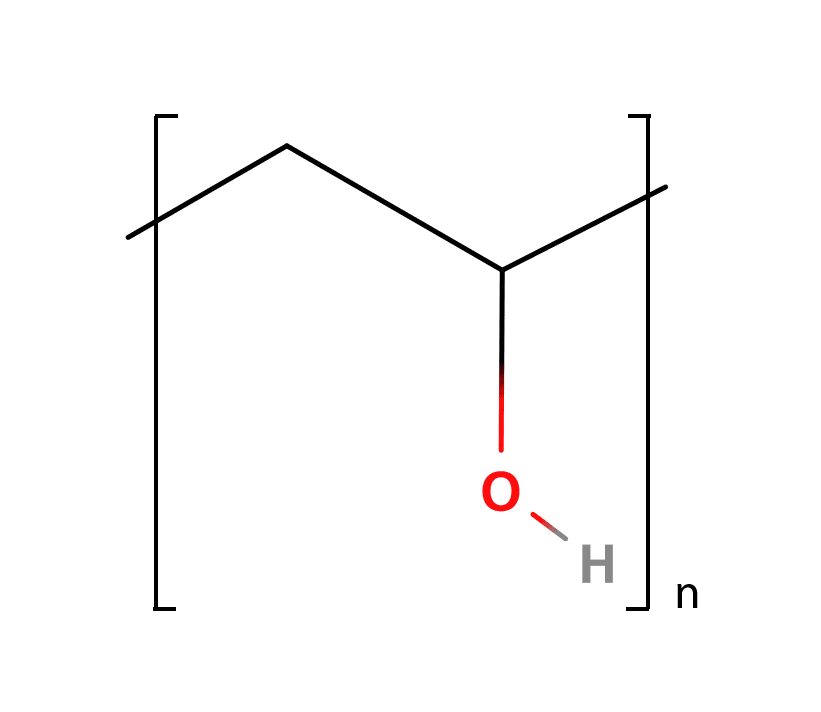
Polyvinyl Alcohol (PVA) is a general name for polymers (polyols with formula -[CH2CH(OH)]n-) with a wide range of functional properties, including water solubility, adherence, chemical stability, and film-forming properties. It is a range of raw materials whose characteristics are primarily determined by the degree of polymerization and saponification (hydrolysis).
Polyvinyl Alcohol (PVA) is widely used in various fields. Its excellent characteristics are used for packaging chemicals, foodstuffs, soaps, agricultural chemicals, and dyes, or as a release film for molding unsaturated polyesters. Depending on the ingredient's function, two types of PVA, water-soluble and hardly water-soluble, are used in personal care products.
Polyvinyl alcohol is a key raw material for cosmetic packaging, such as face masks. It is often added to cosmetic soaps and creams as a thickening agent.
In pharmaceuticals, Polyvinyl alcohol has been employed as an excipient for capsules and ointments. Thanks to this property, it is used as an excipient in modern delivery systems (such as X50 Cosmetic Drone™), combined with PLGA, to stabilize liposome-like targeted structures and protect active ingredients from degradation.Combined with other natural polymers, Polyvinyl alcohol is used in many drug and cosmetic active ingredient delivery systems. It works well with starch, chitosan, cellulose, alginate, etc.