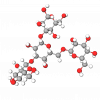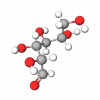
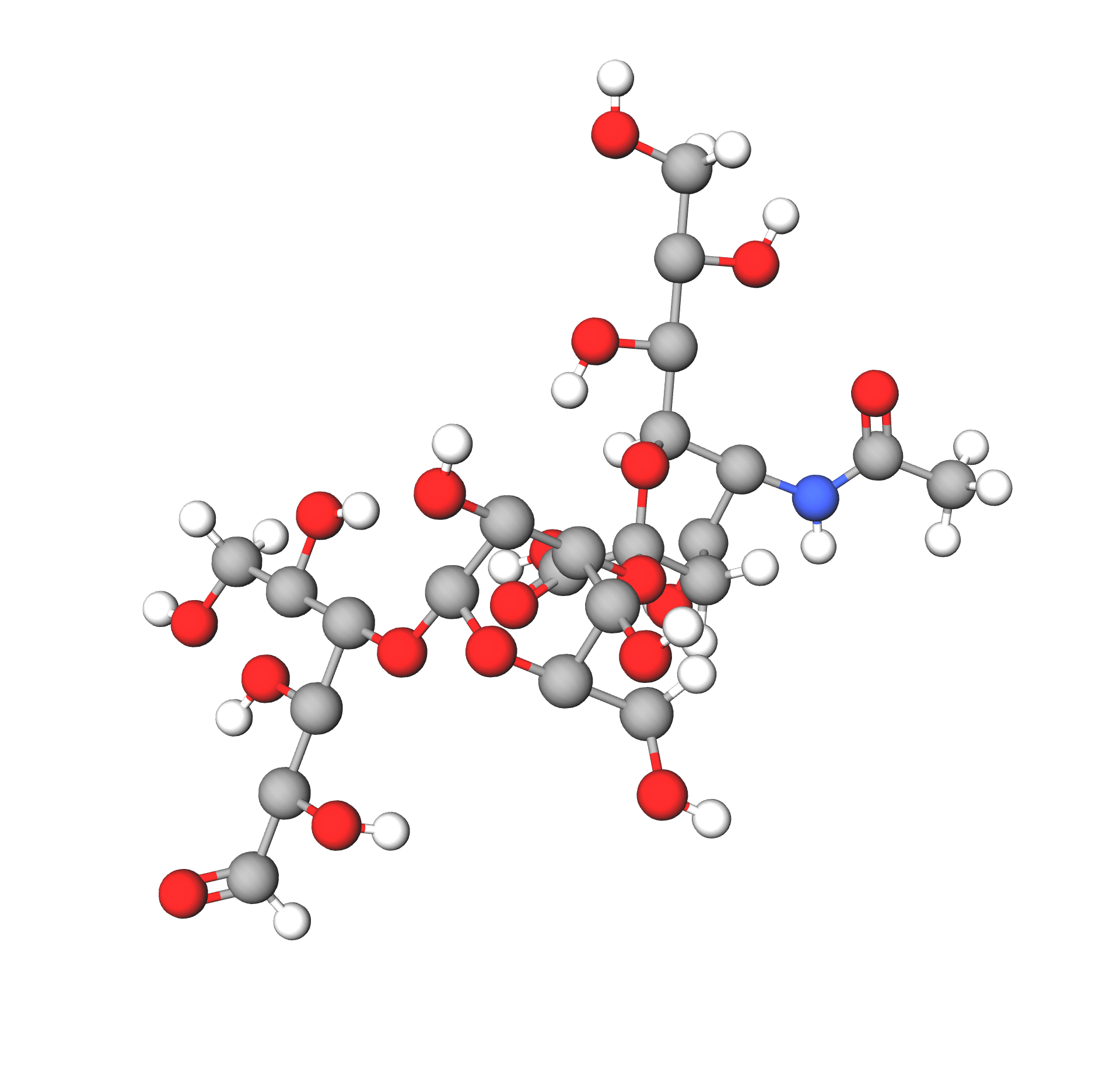
Sialyllactoses are the core functional oligosaccharides in the mother's milk. They protect an infant from external viral infection when its immune system is not fully developed. These oligosaccharides are known to have an anti-adhesion effect, preventing the virus from infecting cells through cell membranes.
3'-Sialyllactose, used as a prebiotic, has a regulatory effect on T-cell differentiation and lessens skin inflammation. Researchers suggested it as the perspective treatment option for atopic dermatitis.
Studies have shown that sialyllactose significantly affects brain development and immune function in children. 2,3-Sialyllactose and 2,6-Sialyllactose are known to regulate inflammatory responses and treat skin irritation.
Recent studies also showed that the proper ratio of 2,3-Sialyllactose and 2,6-Sialyllactose can effectively treat skin diseases such as atopic dermatitis and eczema. Reports indicate that 2,3-Sialyllactose and 2,6-Sialyllactose can prevent or treat hypertrophic scars or keloids. Some researchers report skin whitening and moisturizing properties.Cosmetic grade Sialyllactose is a white crystalline powder derived by biotechnological (enzymatic reactions) methods, without the use of raw materials of animal origin. Many global cosmetic companies use it as a cosmetic ingredient in their premium-grade moisturizing and facial mask products.