Functions
Firming
Smoothing
Anti-aging
INCI name
Tripeptide-29
Origin
Synthetic
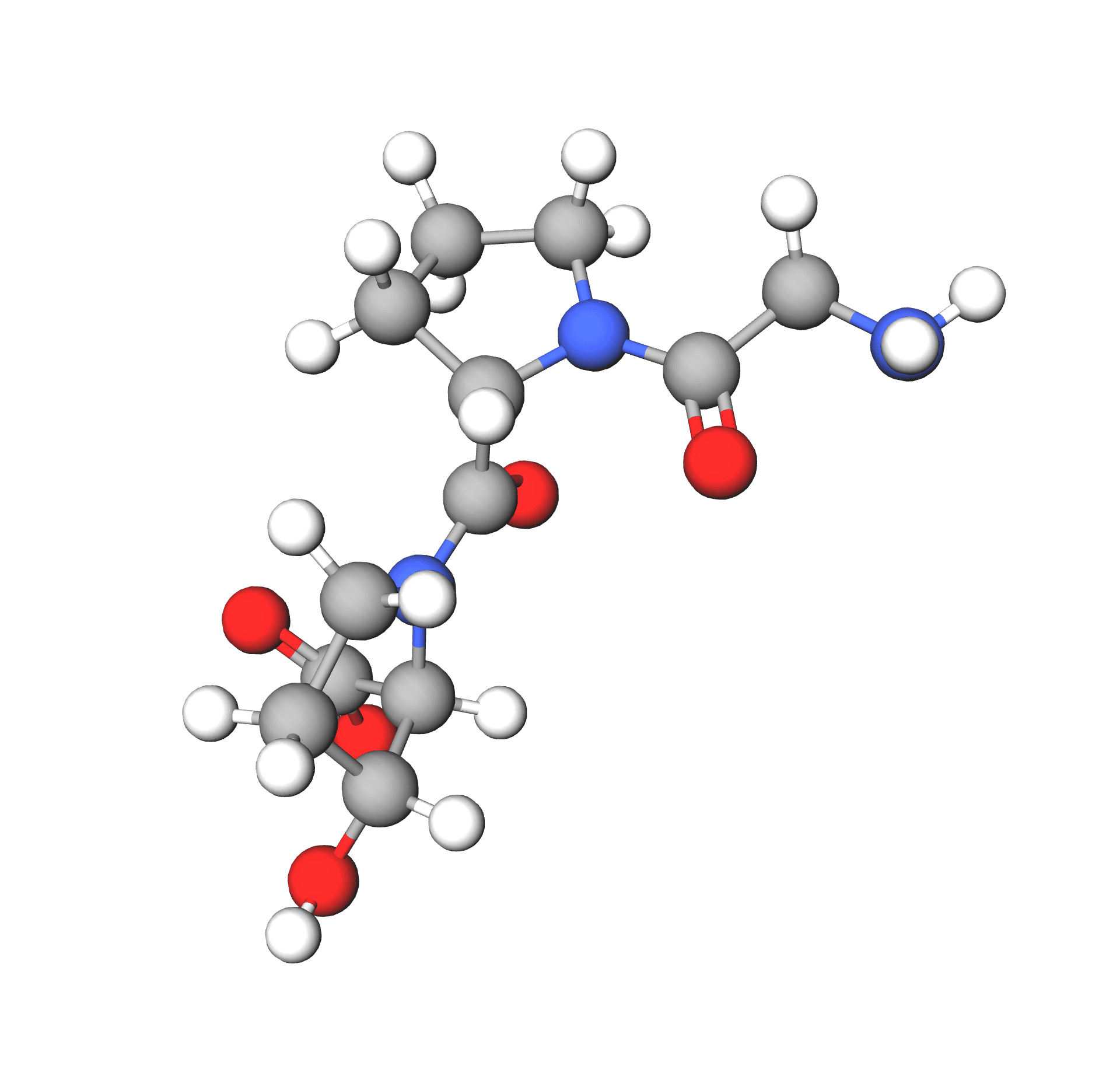
Many researchers determined that some collagen protein fragments (peptides) enhance collagen production. A short peptide with the Gly-Pro-Hyp sequence is found in collagen structure and protein hydrolysates.
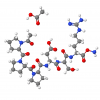
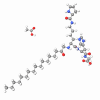
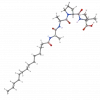
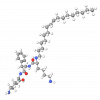
Tripeptide-29 is a synthetic matrikine peptide that significantly improves collagen synthesis, promoting wrinkle reduction, firming, and skin plumping. It is known under the trademark AC Collagen Prepeptide PF.
Thanks to a small molecular weight of 285 D, Tripeptide-29 exhibits increased bioavailability and easily penetrates deeper layers of the skin. Reaching dermal fibroblasts stimulates those cells, enhancing collagen synthesis activity.
Increased collagen production improves DHJ (dermal-epidermal junction) integrity and scaffolding matrix. Tripeptide-29 is a safe and effective ingredient for anti-aging preparations formulated to boost collagen production and expose a youthful, healthy, and radiant appearance. It is usually used in a 0.1 – 1.0% concentration.See also
Synonyms
AC Collagen Prepeptide PF
Glycyl-L-prolyl-3-hydroxy-L-proline
Gly-Pro-Hyp
G-P-Hyp
Changed
References
Effects of collagen hydrolysates on UV-induced photoaging mice: Gly-Pro-Hyp as a potent anti-photoaging peptide
PMID:
38411396
DOI:
10.1039/d3fo04949c
Highly specific recognition of denatured collagen by fluorescent peptide probes with the repetitive Gly-Pro-Pro and Gly-Hyp-Hyp sequences
PMID:
32935727
DOI:
10.1039/d0tb01691h
Central activity of peptide Gly-Pro-Hyp--the main component of collagen degradation products mixture
PMID:
8023712
Oral Ingestion of Collagen Hydrolysate Leads to the Transportation of Highly Concentrated Gly-Pro-Hyp and Its Hydrolyzed Form of Pro-Hyp into the Bloodstream and Skin
PMID:
28244315
DOI:
10.1021/acs.jafc.6b05679
Oral Ingestion of AP Collagen Peptide Leads to Systemic Absorption of Gly-Pro-Hyp, Alleviating H2O2-Induced Dermal Fibroblast Aging
PMID:
37074675
DOI:
10.1089/jmf.2022.K.0149