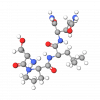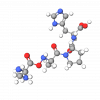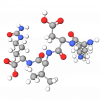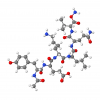
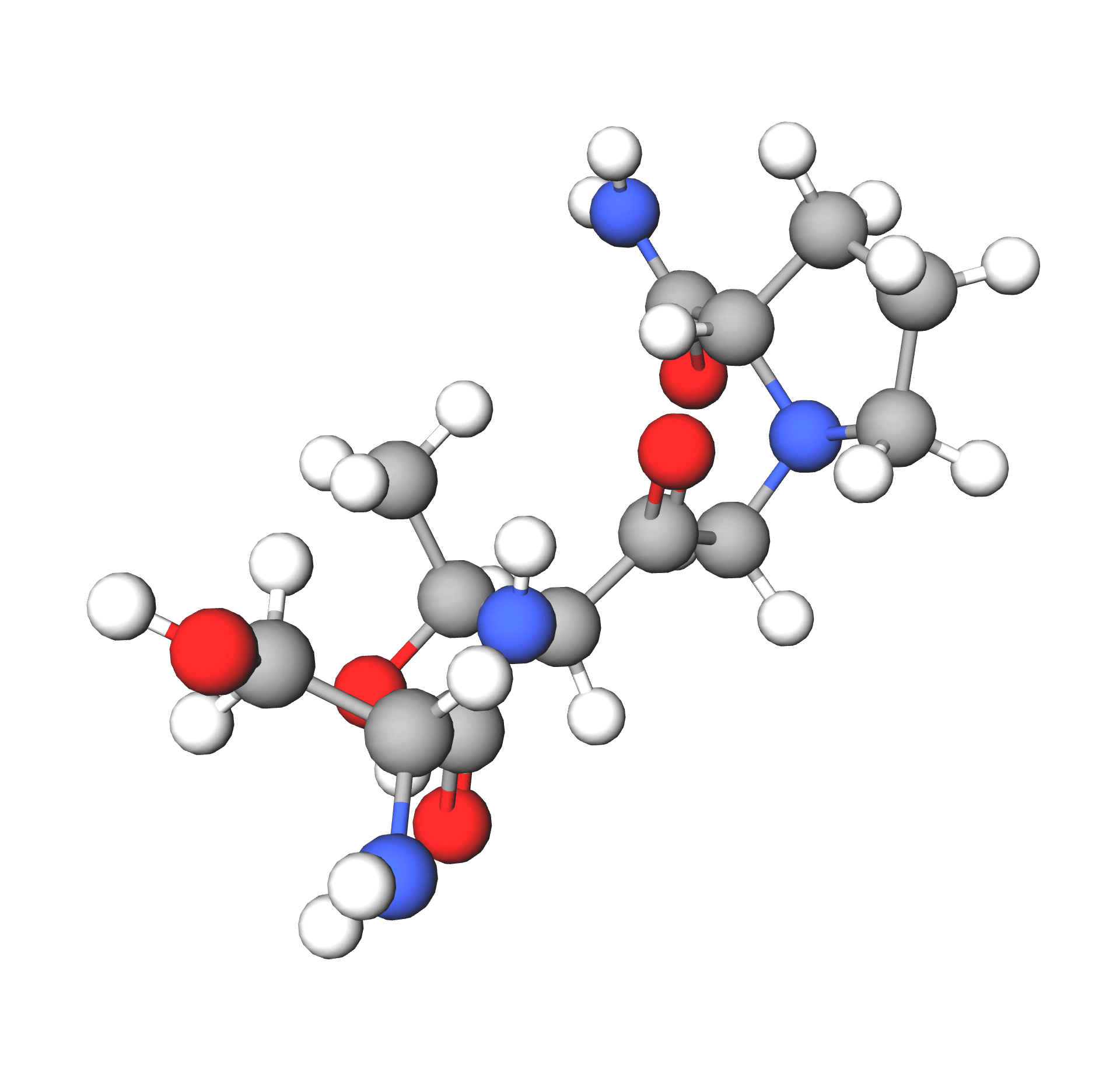
Our body has natural defense mechanisms against environmental damaging factors such as UV exposure, pollution, cigarette smoke, etc, usually affecting daylight hours. Those mechanisms are connected with circadian rhythms (24-hour cycle) and regulated with special proteins, which activate during daylight hours and deactivate during the night.
Tripeptide-32 is a synthetic peptide with the sequence Ser-Thr-Pro-NH2 known under the trade name Chronolux® that activates genes CLOCK (Circadian Locomotor Output Cycles Kaput) and PER1 (Period Homolog 1) in keratinocytes, which encode proteins responsible for the regulation of cellular defense mechanisms with circadian rhythms.
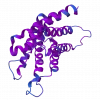
The motif STP (Ser-Thr-Pro) appears in Microtubule-associated protein tau (67-68). Studies aiming to reveal the Microtubule-associated protein tau's function confirmed that it is involved in circadian rhythms regulation and modulation of connectivity of core circadian networks, and accumulation of core clock proteins.
Activating the CLOCK gene in keratinocytes, Tripeptide-32 triggers a cascade of different proteins (enzymes) production responsible for damaged DNA repair, improving cell viability and longevity, and providing defense against environmental damaging factors.The PER1 gene also encodes a protein involved in DNA repair processes in the day/night cycle. Activating this gene, Tripeptide-32 significantly increases the keratinocyte survival rate, preserving the skin's natural beauty and barrier function and preventing premature aging.