Our skin has an essential regulatory function, which activity depends on the circadian rhythm. It activates cellular defense processes in the skin during daylight and deactivates during night.
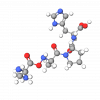
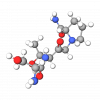
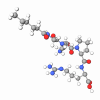
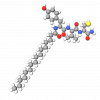
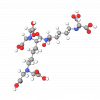
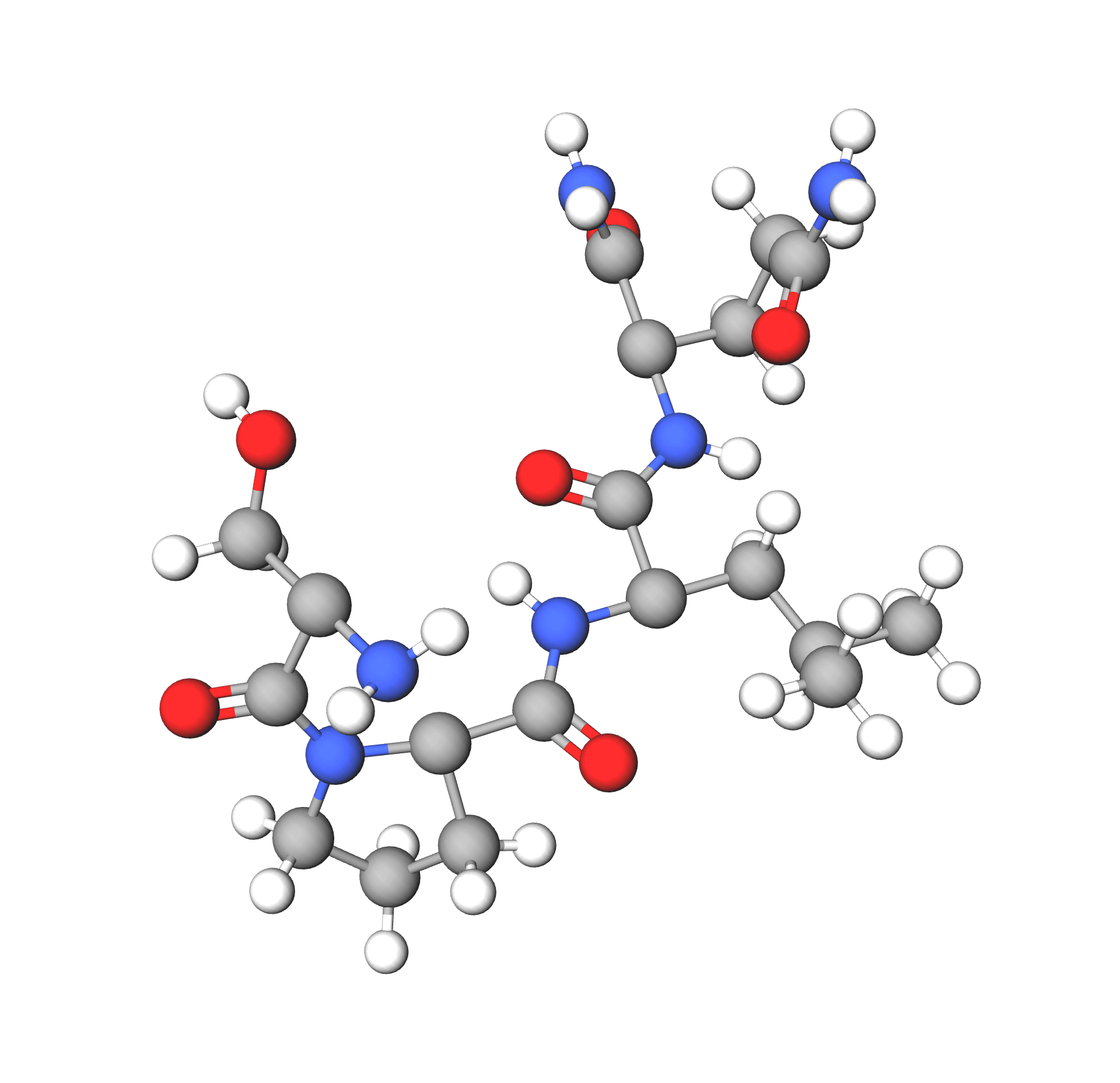
Tetrapeptide-26 is a synthetic peptide with the sequence Ser-Pro-Leu-Gln-NH2, known under the trade name Chronogen®, that activates genes CLOCK (Circadian Locomotor Output Cycles Kaput), BMAL1 (Basic Helix-Loop-Helix ARNT Like 1), and PER1 (Period Homolog 1) in keratinocytes, which encode proteins responsible for the regulation of cellular defense mechanisms with circadian rhythms.
The motif SPLQ (Ser-Pro-Leu-Gln) corresponds to sequence part (45-48) of a Microtubule-associated protein tau, responsible for circadian rhythm regulation. Studies aiming to reveal the Tau protein's function confirm its role in the regulation of circadian rhythms and modulation of connectivity of core circadian networks, and accumulation of core clock proteins.
Similar to Tripeptide-32 (Chronolux®), Tetrapeptide-26 also activates genes that promote natural defenses against UV and other environmental factors damage during the day on a cellular level and increases natural DNA repair processes at night. Compared with Tripeptide-32, it also enhances the expression of BMAL1, which forms a heterodimer complex with CLOCK, improving the entire efficiency of this active ingredient.Boosting the production of proteins involved in DNA repair processes, Tetrapeptide-26 allows activation of the skin's natural defense independent of the day/night cycle and simplifies customers' skincare regimens. It noticeably improves the keratinocyte survival rate after exposure to environmental damaging factors, which is especially important for those who live in urban areas. It strengthens the skin barrier function, preserves health, and prevents premature aging.