Skin ages in two different ways: intrinsic and extrinsic aging. The first one is determined by our metabolism, happening inevitably. In contrast, the second one, also known as photoaging, is due to environmental factors that affect the skin, such as ultraviolet (UV) radiation. Photoaging causes morphological changes in the skin, generating the degradation of collagen and elastin fibers in the dermis. As a result, photoaged skin is coarsely wrinkled and associated with skin thickening, dryness, and scaliness, and uneven pigmentation.
UVA and UVB radiation cause different effects on the skin. UVA radiation penetrates through the top layer of the skin, resulting in damage to the dermis. This kind of radiation is mainly responsible for indirect DNA damage. Whereas UVB radiation is mainly absorbed in the epidermis, its primary mechanism of action is the direct interaction with DNA.
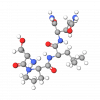
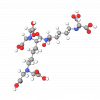
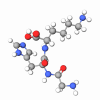
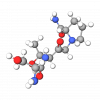
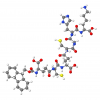
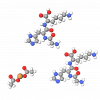
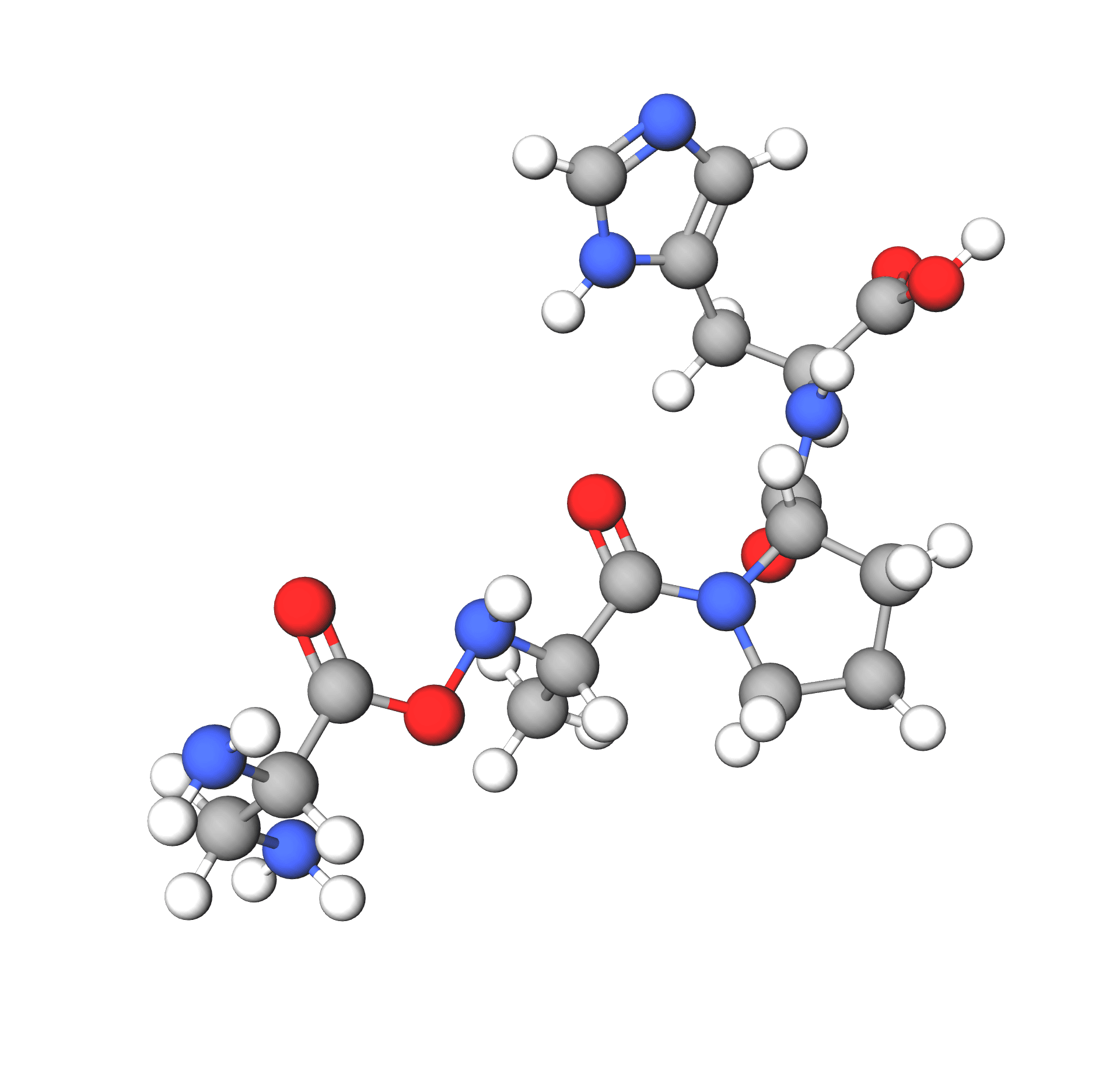
According to the manufacturer, Preventhelia® is a tetrapeptide with the sequence Dpr-Ala-Pro-His that fights the detrimental effects of UV radiation on human skin, protecting and repairing DNA, thus preventing premature aging. Active peptide Diaminopropionoyl Tripeptide-33 acts at a molecular level to prevent aging and other future cellular damage, as it combats the formation of reactive carbon species (RCS), protecting DNA.
Diaminopropionoyl Tripeptide-33 inhibits the carbonylation of proteins, leaving a significant photoprotective effect on keratinocytes and fibroblasts. It protects skin cells from UV-induced DNA damage and enhances the ability of the DNA repair system. In addition, it is effective in the inactivation of RCS generated in the treatment of cellulite with lipolytic agents, when rapid oxidation of fatty acids leads to the accumulation of reactive carbonyl species.