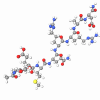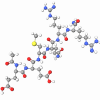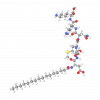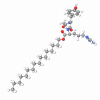
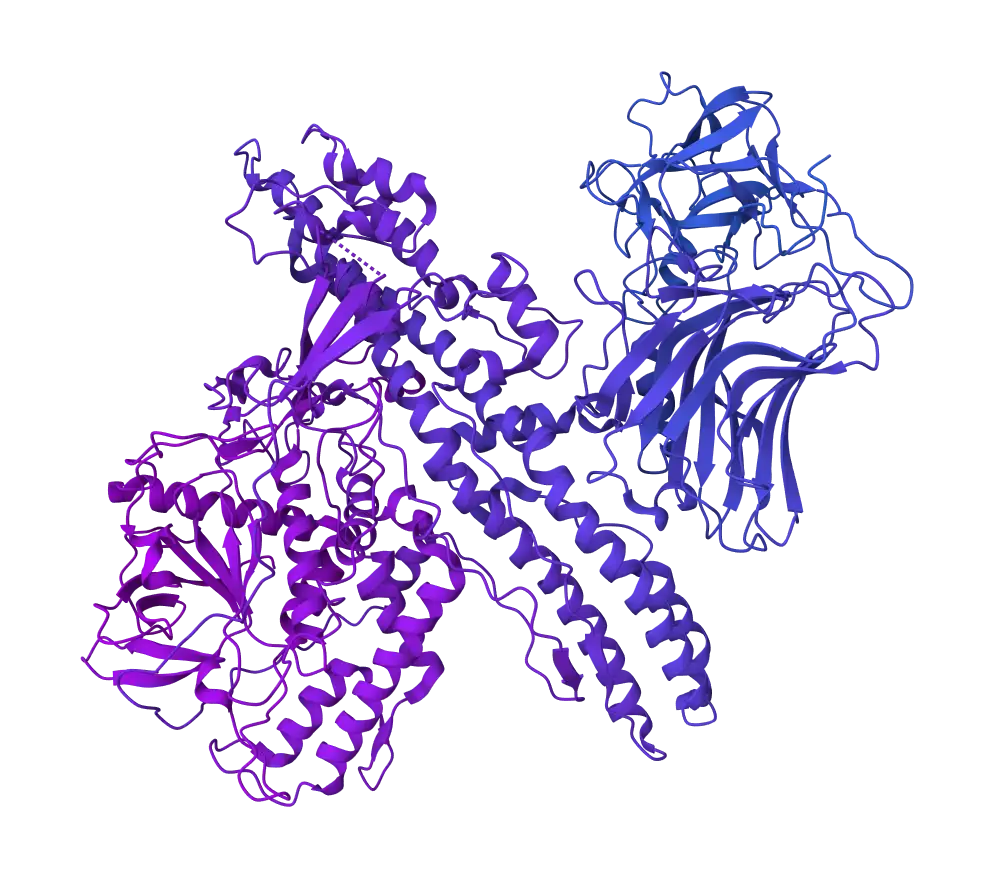
sr-Clostridium Botulinum Polypeptide-1 is a protein toxin (1296 amino acids in length) derived from the fermentation of Clostridium botulinum bacteria, was historically used as a medical treatment for localized movement disorders such as blepharospasm (an involuntary movement of the eyelid) or cervical dystonia (characterized by involuntary contractions of the neck muscles). It works by temporarily paralyzing muscle fibers, thereby relaxing the affected muscles.
Facial moisturizers, nutrient serums, and even daily cleansers claim to contain powerful ingredients that stave off the development of undesirable, yet seemingly inevitable, extrinsic signs of aging - from wrinkles to age spots to sagging skin. One tactic to combat the aging process is cosmetic surgery. Procedures such as face lifts, laser resurfacing, or liposuction can be costly and painful.
For the most part, the methods are available to a tiny segment of elite consumers and are not without their faults and potential hazards. Since the FDA approved it in April 2002 for cosmetic applications, there has been a growing trend in the use of botulinum toxin for these purposes.
Frequently referred to as Botox®, sr-Clostridium Botulinum Polypeptide-1 is now widely marketed for “the temporary improvement in the appearance of moderate to severe glabellar lines in adult men and women”. These ‘glabellar lines’ are more commonly called wrinkles.The most common facial areas treated include crow’s feet, frown lines, laugh lines, and forehead wrinkles. The treatment requires a small amount of sr-Clostridium Botulinum Polypeptide-1 (botulinum toxin) to be injected into the facial muscles responsible for creating wrinkles. The toxin inactivates these muscles, thereby dramatically diminishing the appearance of facial lines.
However, the Botox® injection procedure is still costly, temporary (2-6 months), and not without risk. Hazards can include paralysis of nearby muscle tissue, facial pain and nausea, and in some cases, excruciating headaches. Perhaps worse, overuse of the treatment can result in permanent paralysis of treated muscles.