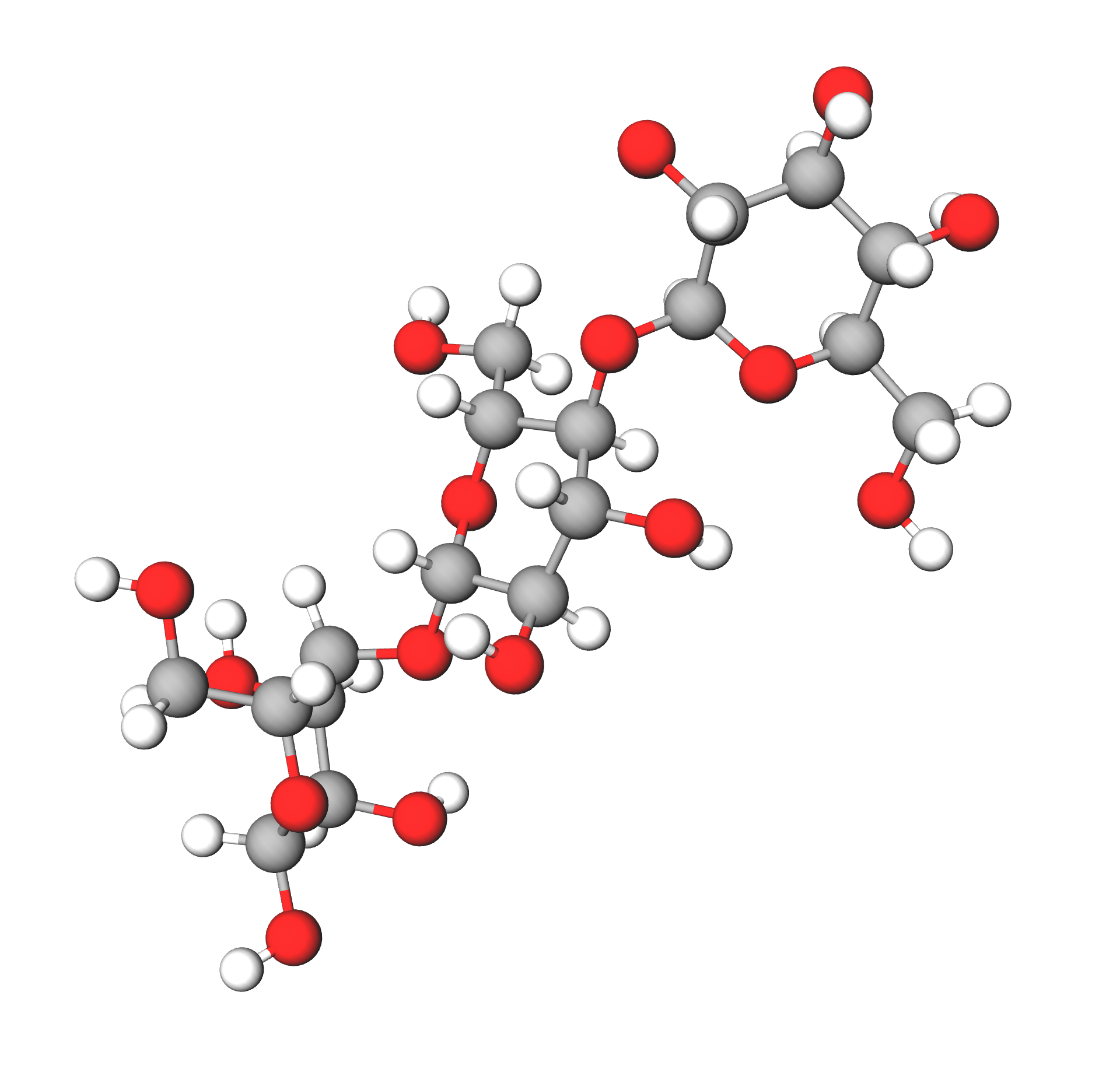
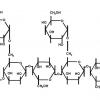
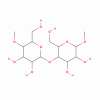
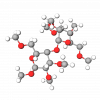
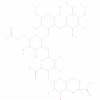
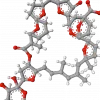
Dextrin is a general term for degraded starch polysaccharides in which the amylose and amylopectin present in the original starch have been partially hydrolyzed at the 1,4αD and 1,6αD linkages. It is a white-to-tan powder that can be used in a variety of cosmetic powder applications but shows exceptional performance in soap bar processing.
The starch helps structure and harden the bar. At the same time, Dextrin reduces tack, helping the bars release easily from the molds after extrusion. The incorporation of Dextrin can improve manufacturing efficiency in soap production. In addition, it is a cost-effective filler, sensory modifier, or delivery vehicle for active ingredients used in many personal care applications.
Thanks to its excellent skin affinity, Dextrin is used in many cosmetic complexes for encapsulation, conjugation, or gel formation. Avobenzone, one of the most popular UV filters, coated with this polysaccharide, showed improved UV protection and reduced skin penetration.
Several anti-aging and antibacterial peptides conjugated with Dextrin also showed better performance. For example, the conjugate with sh-Oligopeptide-1 (rhEFG) exhibited increased resistance to proteolytic enzymes and other factors and sustained bioactivity, demonstrating good results in fibroblast proliferation, wound-healing acceleration, and anti-aging effects.
Dextrin is a safe, well-studied, and multifunctional ingredient for personal care applications. It is ecologically friendly, rapidely biodegradable, and safe for aquatic organisms.
Zea Mays (corn) starch is a natural fine powder that may directly replace talc in skincare formulations. It effectively absorbs moisture and oil from the skin surface mattifying and providing a silky-soft feel.
Dextran is a polysaccharide (polyglucan) from glucose units composed of α-C1-C6 linked chains of different lengths. Dextrans polymer chain length varies from very short (water-soluble) to very long (insoluble).
Propylene Glycol Alginate (PGA) is a general name of 1,2-propane-diol esters with alginic acid (algin), usually obtained from Laminaria or Macrocystis species of brown seaweeds after a series of purification steps.
Guar gum is a plant polysaccharide obtained from the shrub's seeds, Cyamopsis Tetragonoloba, which, like the soybean, belongs to the Family Leguminoseae. It is a non-ionic, salt-tolerant galactomannan with excellent thickening properties.
Microcrystalline cellulose is purified, isolated colloidal crystalline cellulose derived from fibrous plants. It is a white, free-flowing powder that is odorless and insoluble in water.
Cellulose derivatives have the polymeric backbone of cellulose, with repeating anhydroglucose units. After alkaline treatment, cellulose is reacted with methyl chloride to yield methyl ether groups.
Cellulose is the primary component of green plants. It is an organic polysaccharide (complex carbohydrate) derived from beta-glucose and is used in conjunction with a marine focus as a natural exfoliating agent.
Aphanothece Sacrum Exopolysaccharides (called Sacran) are high-molecular-weight polysaccharides with high water-binding capacity derived from the freshwater cyanobacterium Aphanothece sacrum.
Xanthan gum is a natural carbohydrate gum produced by a yeast-like micro-organism. It has soothing properties and is used as an emulsifier and thickener to help with the consistency and stability of creams.
Hydroxypropyl Methylcellulose is a water-soluble polymer offering a broad range of properties. It is a multifunctional cellulose-based thickening agent - for improved foam quality.