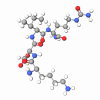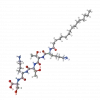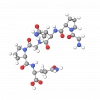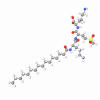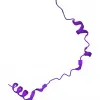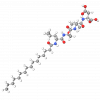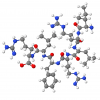
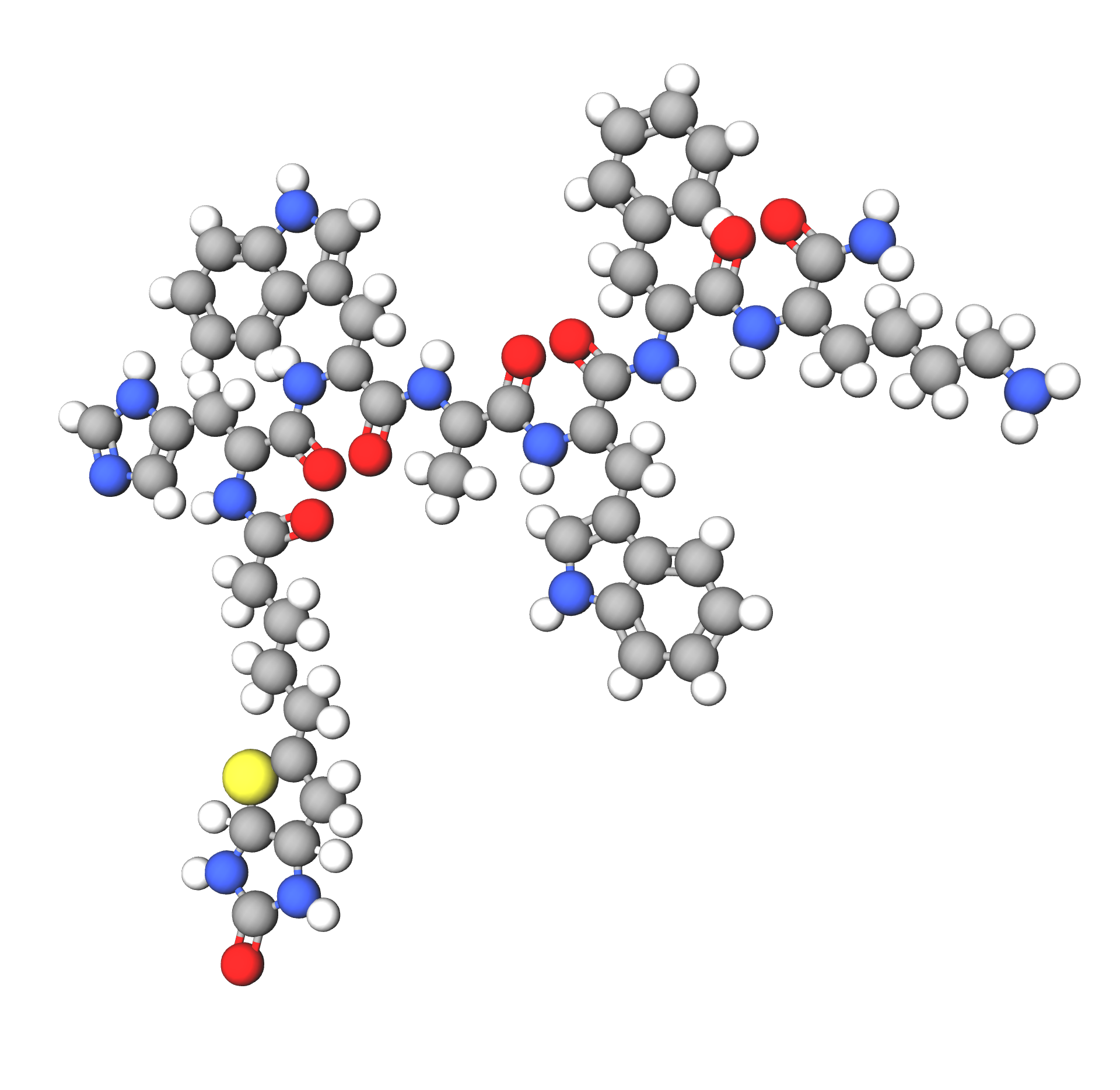
Biotinoyl Hexapeptide-2 Amide is a conjugate of Growth Hormone-Releasing Peptide (GHRP-6; His-D-Trp-Ala-Trp-D-Phe-Lys-NH2) and Biotin (vitamin B7), providing a synergic effect. Its sequence is Biotinoyl-His-D-Trp-Ala-Trp-D-Phe-Lys-NH2 and is known under the trade name Biotide 2000.
The aged dermis contains a low amount of collagen, which weakens dermal strength and results in fine wrinkles on all faces. According to the manufacturer's claim, Biotinoyl Hexapeptide-2 Amide directly stimulates collagen production in fibroblasts and increases the mass of healthy fibroblasts that form the dermis layer of the skin.
Biotinoyl Hexapeptide-2 Amide increases the expression of genes responsible for collagen production and thickens the dermis layer (as proved by tests on 3D skin models). In addition, it induces the production of cell-communicating proteins, including Collagen-17, Laminin-5, and Integrin-α6.
Biotinoyl Hexapeptide-2 Amide stimulates collagen gene expression in fibroblast and keratinocyte cells, which secrete paracrine factors(FGF2, FGF5, and Interleukins), which activate dermal fibroblast cells to synthesize collagen actively.Studies with a preparation containing Biotinoyl Hexapeptide-2 Amide showed a reduction in fine wrinkles after 4-5 weeks of application, with a significant decrease after 9 weeks.