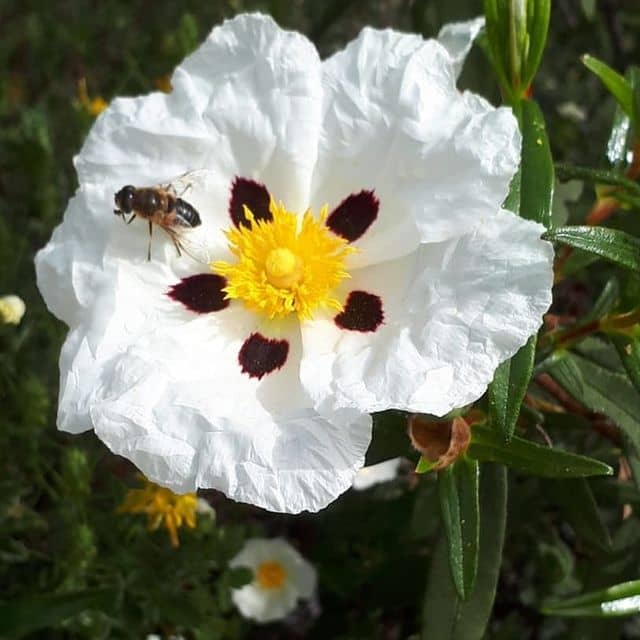
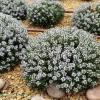
Cistus ladaniferus is an aromatic plant native to the Mediterranean region. It is widely used in traditional medicine and with tea in small quantities. Leaf preparation has been used to treat diarrhea, inflammation, and skin infections. Its leaves produce fragrant, volatile compounds valued in perfumery, especially as a fixative.
Cistus ladaniferus leaf oil is a light amber liquid with a warm, sweet, and balsamic odor. It is rich in viridiflorol, bornyl acetate, and camphene, and possesses antimicrobial properties, active against bacteria and fungi. It accelerates wound healing and stimulates skin recovery.
In skin care applications, Cistus Ladaniferus Leaf Oil strengthens the skin's barrier, reduces transdermal moisture loss, and increases the energy generation of skin cells, thereby stimulating their regeneration. It also exhibits potent antioxidant properties, protecting dermal cells from oxidative stress and DNA damage.
In addition, Cistus Ladaniferus Leaf Oil leaves an anti-inflammatory effect on the skin, soothing irritation and reducing edema. It also exhibits analgesic properties, and researchers have linked it to relatively high levels of kaempferol and its derivatives.
Changed
References
The Volatiles of the Leaf Oil of Cistus ladanifer L. var.albiflorusand Labdanum Extracts of Moroccan Origin and their Antimicrobial Activities
Identification of Flavonoid Content and Chemical Composition of the Essential Oils of Moroccan Herbs: Myrtle (Myrtus communis L.), Rockrose (Cistus ladanifer L.) and Montpellier cistus (Cistus monspeliensis L.)
Author(s):
Viuda-Martos Manuel, Sendra Esther, Pérez-Alvarez José A., Fernández-López Juana, Amensour Mahassine, Abrini Jamal
DOI:
10.1080/10412905.2011.9700439
Volatile components of Cistus ladanifer leaves
Author(s):
Paula S. Ramalho, Victor A. P. de Freitas, Adelina Macedo, Gabriela Silva, Artur M. S. Silva
DOI:
10.1002/(SICI)1099-1026(199909/10)14:5
Exploring the Bioactive Potential of Cistus ladanifer Leaves from Northern Morocco (Tangier)
Investigation of the Antioxidant and Anti-Inflammatory Capacities of Different Extracts from Cistus ladanifer L. Leaves in the Ait Ammart Region (Northern Morocco)
DOI:
10.12912/27197050/179421
The elixir of Cistus ladanifer: Delving into its Chemical Complexity and Therapeutic Deeds
Author(s):
Kaoutar BOUOTHMANY, Boutaina ADDOUM1, Mohammed BOURHIA, Fouad MELLOUKI, Farid KHALLOUKI, Mohammed EL MZIBRI, Mohammed ATTALEB, Laila BENBACER
Journal:
JOURNAL OF ANALYTICAL SCIENCES AND APPLIED BIOTECHNOLOGY (2024, Vol. 6, Issue 2 Pages: 70-83)
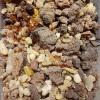
Myrrh Resin Extract is an oil obtained by extracting Commiphora Abyssinica (Commiphora Myrrha) tree resin valued for antiseptic, anti-inflammatory, and astringent properties.
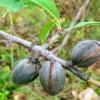
Almond oil moisturises, alleviates irritations and re-hydrates (particularly in the case of dry and sensitive skin), contains an exceptionally high amount of simple and complex unsaturated fatty acids as well as numerous vitamins.
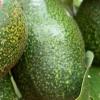
Avocado oil is rich in nutrients and has a big value in skin care products. It contains in its composition a large amount of easily digestible fats, vitamins, macro - and microelements, and other biologically active components.
It is widely used in food preparations for its organoleptic qualities and digestive effect. In addition, thyme owns several pharmacological properties: it is used for asthma, colds, and headache.
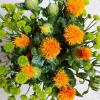
Safflower (Carthamus tinctorius) oil is a light, naturally stable, liquid oil with a superb emollient property that quickly penetrates the skin barrier.
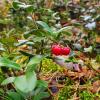
Lingonberry (Vaccinium vitis-idaea) is a wild berry of the Northern forests. Berry juice and flesh are rich in antioxidants such as anthocyanins, and vitamin C.
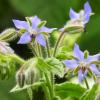
Borage oil is derivative from the seeds of the Borage (Borago Officinalis). It's the richest (around 24%) known natural source of gamma-linolenic acid (GLA), which has anti-inflammatory and anti-thrombotic properties.