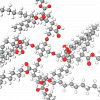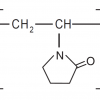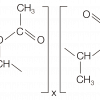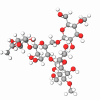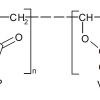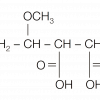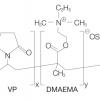
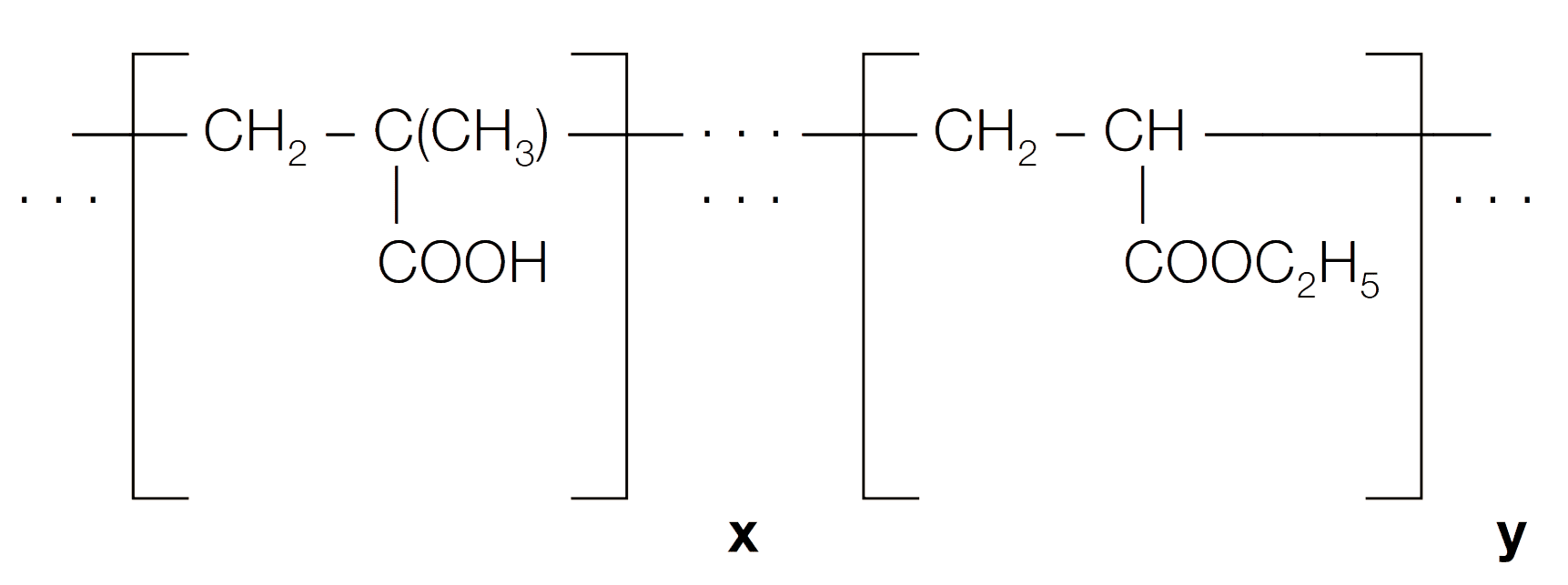
Acrylates Copolymer is a milky-white liquid, a low-viscosity cross-linked acrylic polymer. It has excellent suspending, stabilizing, and thickening properties, preferably within a pH range of 6.3 to 8, and continues to thicken up to pH 11.
Acrylate copolymer is stable over a wide range of temperatures and exhibits high resistance to shear forces. When neutralized with AMP, it delivers crystal-clear, nearly colorless solutions, enabling a formulator to produce the most effective low-VOC hair sprays. It allows the production of precise formulations while offering excellent compatibility.
Acrylates Copolymer was designed to optimize all performance properties required for low-VOC hair spray systems. Its emulsion form allows it to offer very low viscosity in high-water formulations, and its molecular weight has been optimized for good stiffness and hold. Because it is supplied as an aqueous liquid, it is straightforward to use and can be readily mixed into any low-VOC hair spray formulation.
Acrylate Copolymer provides excellent setting and curl retention even under extreme humidity. It is used in many surfactant cleaning products (shower and bath gels, bath products, facial cleansers, shampoo, 2-in-1 conditioners, and baby shampoo), typically at 1-5% concentrations.When combined with natural or other synthetic polymers, it can be used to form nanoparticles as delivery vehicles for cosmetic actives. It is a safe polymer for personal care applications in cosmetic concentrations, with a low irritation or sensitization profile.