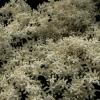
Elderflower (Sambucus nigra flower) extract is extracted from organically grown flowers. The elder has been called‘ the cosmetic tree’ by some herbalists since nearly all the parts of it can benefit the skin. The flowers are used for a variety of skin problems, especially on inflammation or broken skin.
Plant extracts & derivatives
Plant extract aka botanical extract-based skin care products are one of the biggest trends in the beauty industry in recent years. Being naturally balanced and dense in active ingredients, botanical extracts are excellent fighters against skin aging and inflammation.
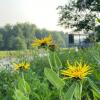
The root of the Elecampane plant is the part used for Herbal Medicine. It has many medicinal actions, uses, and properties such as: anti-fungal, antibacterial, antitussive, anti-parasitic, and antiseptic.
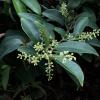
Embelia Concinna is an endemic shrub from a high-altitude Malagasy forest. Malagasy name is Sirahazo or Tanterakala, which literally means "Forest Hug".
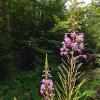
Epilobium Angustifolium Extract is a natural ingredient derived from Canadian Willowherb (also called Fireweed).
Epilobium Angustifolium Flower/Leaf/Stem Extract is a natural extract derived from a shrub that grows rapidly in the Canadian wilderness.
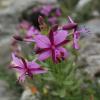
Epilobium Fleischeri (Alpine willowherb) extract is a natural multifunctional skin and hair care ingredient with sebum regulating, anti-inflammatory, and antioxidant effects.
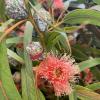
The Aborigines discovered that the Eucalyptus tree (Eucalyptus Globulus) stores water in the roots. Ironically, many early settlers died of thirst when water was all around them, stored in these plants.
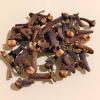
Clove (Eugenia Caryophyllus) was first brought to Europe by the Arabs and Venetians and was used as a natural food preservative and embalming agent.
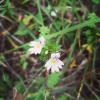
Euphrasia is derived from the Greek name of one of the three graces distinguished for her joy and mirth. Euphrasia officinalis was named for its ability to preserve eyesight, which brings gladness into the sufferer's life.
The astringent and anti-inflammatory properties of Euphrasia officinalis (Eyebright) extract the result from the presence of tannins. In cosmetics today, it is used to soothe and smooth the eye contour area.
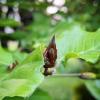
The Beech tree (Fagus sylvatica L.) lives for about 200-250 years riching approximately 130 feet in height and is often called “the ever-lasting youth tree”.
Melanin synthesis is an oxidative process. While initial research seemed to show that melanin synthesis was solely controlled by tyrosinase, it has become increasingly apparent that the process is significantly more complex.
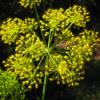
In medieval times, Fennel (Foeniculum Vulgare) was employed to protect against witchcraft and other evil influences. Foeniculum Vulgare was cultivated by Romans for its aromatic fruits and succulent, edible shoots.
Fennel (Foeniculum vulgare Miller) seeds contain considerable quantities of oxidoreductase enzymes.
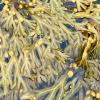
Fucus vesiculosus, a brown algal seaweed classified under the algae phylum, is found on submerged rocks on both coasts of North America.

Alpinia Galanga Leaf Extract stimulates the production of hyaluronic acid. It improves skin appearance by reducing shadows, making skin look more radiant, and minimizing visible signs of lines and wrinkles.
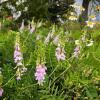
Galega officinalis L. (Fabaceae) is a herbaceous plant distributed through Asia to temperate areas of Southern Europe.
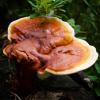
Mannentake mushroom (Ganoderma Lucidum) is one of the most valued plants in the Chinese pharmacopeia. It has been used for thousands of years as a remedy for a variety of diseases from traumatic wounds to inflammation.
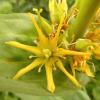
Although the first recorded uses of Gentian (Gentiana Lutea) in medicine are on Egyptian papyrus, the ancient King Gentius of Illyria is actually credited with discovering its medicinal value.
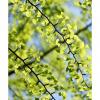
Ginkgo leaves extract has anti-oxidative, analgetic, and antihistamine properties. It promotes skin elasticity and firmness. The phytochemicals in the leaves of this plant improve dermal microcirculation and stimulate cell functions.
The Chinese ginkgo (Ginkgo biloba) tree bears a small, brownish-white nut that is used to treat asthma, coughs, wheezing, leukorrhea, and bladder irritability.
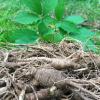
In Asia, Panax (means ‘treating all’ in Greek) is considered to be the most valuable plant among all, and its root called Ginseng became famous worldwide.
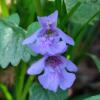
Ground ivy (Glechoma Hederacea) was one of the plants used by the early Saxons to clarify their beers before hops was introduced.
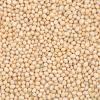
Glycine Max Callus Culture is an ingredient based on soy stem cells obtained by forcing differentiated soy tissues to return to the undifferentiated form.
Glycine max symbiosome extract is isolated from symbiosome lysates harvested in the early spring planting of soybeans when the root nodules are at their most active and potent state.
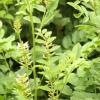
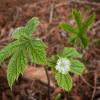
Goldenseal (Hydrastis canadensis) is a member of the Buttercup family, Ranunculaceae. The generic name, Hydrastis, is derived from two Greek words, meaning ‘water’ and ‘to accomplish’.
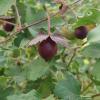
Gossypium Herbaceum Seed Extract is derived from Levant cotton seeds, a botanical that conjures visions of natural materials and benefits from folklore and actual performance data.
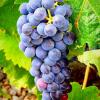
Grape (Vitis vinifera) extract is made from organically grown grapes. It contains potent antioxidant resveratrol that delivers scientifically tested and clinically proven health benefits.
A supremely potent antioxidant, Green Tea Extract works to significantly slow the signs of aging caused by free radical damage.