
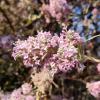
A phytobioactive derived from a Chinese flowering shrub (Buddleja officinalis flower), Soliberine offers potent photoprotection from the damaging effects of blue and infrared light and UV radiation.
Plant extracts & derivatives
Plant extract aka botanical extract-based skin care products are one of the biggest trends in the beauty industry in recent years. Being naturally balanced and dense in active ingredients, botanical extracts are excellent fighters against skin aging and inflammation.
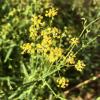
Bupleurum Falcatum Root Extract is a plant root extract based on a Chinese medicinal plant called Chaihu. It is a botanical slimming agent that stimulates lipolysis (fat burning) by increasing cAMP via the G Protein.
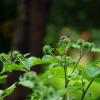
Burdock, officially called Arctium lappa, is considered a healthy and nutritive food in China. Arctium lappa was used as a medicinal herb in Europe, North America, and Asia for centuries.
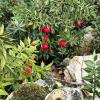
Butcher’s Broom (Ruscus Aculeatus; Butcherbroom) was first used as an animal repellent and barrier in the meat trading industry. Years later, it was used to scrub chopping blocks and decorate meat platters.
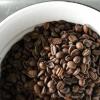
Caffeine stimulates, activates, firms, improves micro-circulation and plays an important role in breaking down body fat.
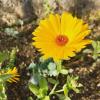
Calendula (Calendula officinalis) extract has antiseptic, anti-inflammatory, and anti-fungal properties as well as benefits such as promoting the healing of wounds, skin repair and is famous for use on babies' skin.
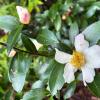
Japanese Green Tea (Camellia Oleifera) has long been revered in many cultures as a remedy for various dysfunctions.
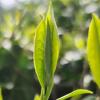
Camellia Sinensis Catechins is a polyphenol fraction of Green Tea extract that contains up to 90% catechins. This concentrated vegetable active ingredient, derived from tea, exhibits numerous beneficial effects on the skin.
Tea processed by the method considered to be “Japanese Green Tea” yields the most useful extract since, in the process of manufacturing black tea, most of the polyphenols are oxidized to form dark-colored ingredients.
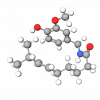
At the National Institutes of Health (NIH), scientists have been studying capsaicin, the substance in Capsicum peppers that gives the pungent flavor chili lovers esteem.
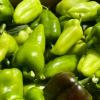
Red peppers have a significant content of several interesting families of molecules, such as capsaicinoids, chlorophylls, carotenoids, polyphenols, and flavonoids.
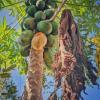
Papaya (Carica Papaya) has been used to treat various illnesses or conditions, including infected wounds, sores, ulcers, tumors, hay fever, and psoriasis.
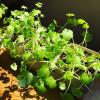
In mythology, Parsley (Carum Petroselinum) was believed to have originated from the blood of Archemorus, the forerunner of death.
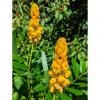
The plant Senna Alata, also known as a candle tree because its flowers resemble flames, grows in highly sunny areas in Africa, South America, and India.
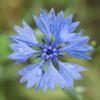
The Cornflower (Centaurea Cyanus) was commonly used for dyspepsia and often appeared in mixed teas recommended for cosmetic purposes. An extract of the flowers was made into eyewashes, eyedrops, and compresses for use on the eyes.
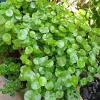
Centella Asiatica extract is rich in saponins (centelloids), flavonoids, phenolic acids, triterpene steroids, amino acids, and oligosaccharides. Thus, it exhibits antioxidant, anti-inflammatory, moisturizing, and barrier-replenishing effects on the skin.
The first clinical investigations on the medical application of various Centella Asiatica extracts were completed during the early 1940s (Anonymous 1945a,b).
Gotu Kola (Centella Asiatica) is an Indian plant alleged to have youth-giving properties similar to ginseng, particularly in preventing brain degeneration.
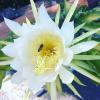
American Indians used cactus Cereus Grandiflorus as an integral part of their diet and in salves and ointments as a healing agent in treating wounds, bruises, rashes, and other skin problems.
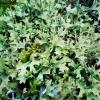
Iceland Moss (Cetraria Islandica) has been used internally and externally as a soothing agent. It was especially useful for inflamed mucous membranes in the mouth, throat, stomach, intestines, and skin tissue.
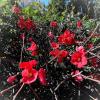
Japanese Quince (Chaenomeles Japonica) has been grown for the sake of its blossoms, which vary in color from creamy white to rich red and are produced during the winter and early spring months.
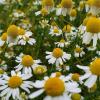
Chamomile extract has been used in several skin conditions including slow-healing wounds, inflammation, and infections. It contains a lot of bioactive compounds including several polyphenols and flavonoids with antioxidant and antimicrobial and significant antiplatelet effects.
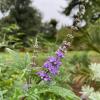
Chasteberry extract contains a phyto-endorphin with anti-oxidant and moisturizing effects. It makes the skin look more radiant.
Angelica contains phytoestrogens and many vitamins, saccharides, and essential minerals such as vitamin B12, zinc, potassium, magnesium, iron, fructose, glucose, and sucrose, leaving beneficial effects on the skin.
Chrysanthellis (Chrysanthellum Indicum) is a botanical treasure from Africa. This small plant with yellow petals contains great molecular diversity, including an exceptional active ingredient that stimulates fat cell lipolysis.
Watermelon (Citrullus Vulgaris) is a native of Africa, the Mediterranean Region, and Southern Asia. It has been a staple food of Egyptians, the people of the Near East, and Southern Asia since the earliest times.
Lime (Citrus Aurantifolia) juice has been used principally in manufacturing citric acid and is considered an anti-scorbutic.
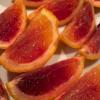
The Orange (Citrus Aurantium Dulcis) tree is an evergreen tree originally native to the Far East, particularly China and India.
The peel of the orange (Citrus Aurantium Dulcis) is considered anti-inflammatory, anti-bacterial, and anti-fungal. Its anti-spasmodic properties have made it useful in cramps and bronchial convulsions.
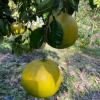
Citrus Grandis Fruit Extract is an extract obtained from the seeds and pulp of Pomelo. It is a viscous lemon-yellow liquid with an acidic 2.0 - 3.5 pH.