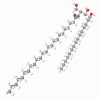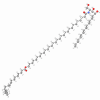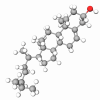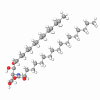
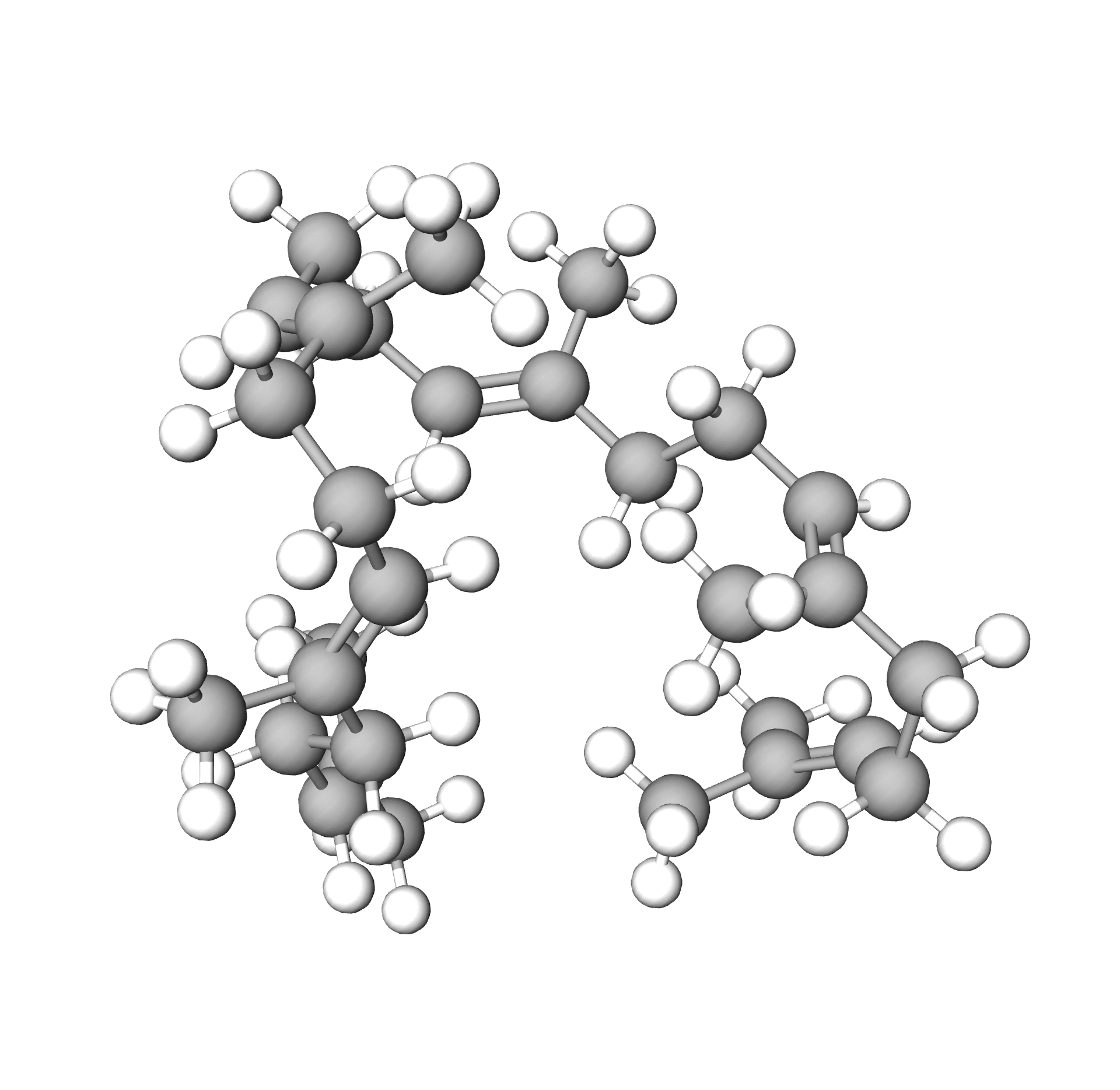
Squalene is a linear triterpene, a polyunsaturated hydrocarbon oil previously obtained from shark livers and some fish oils, but now available from vegetable sources or produced biotechnologically by microorganisms. It is used in traditional medicine for its antioxidant and anti-tumorogenic properties.
Squalene is a precursor to cholesterol and can be obtained from food or produced by the human organism. Olive oil contains ~0.5% squalene. Some researchers have correlated the reduced risk for cancer with high olive oil consumption in the Mediterranean diet.
Human sebum contains about 13% squalene, which supports oxygen diffusion, acts as an antistatic, enhances the immune response, and prevents moisture loss. It is emollient and softens the skin without leaving an oily after-feel. It integrates into lipid domains of the stratum corneum and interacts with ECM glycoproteins.
Structurally similar to beta-carotene, Squalene has six double bonds, making it prone to oxidation and polymerization. However, it protects the skin from UV-induced lipid peroxidation and other harmful effects of ionizing exposure. In addition, it can form nanoparticles that act as delivery vehicles.Squalane is miscible with mineral and vegetable oils, as well as nonpolar solvents. It has pigment-dispersing properties and may be employed as a perfume fixative, making it particularly suitable for emulsions used in cold conditions. It is safe, non-irritating, non-sensitizing, and hypoallergenic.
Squalene can be hydrogenated to produce perhydrosqualene or squalane, a light emollient oil of excellent stability and a pleasant skin feel.