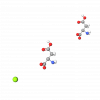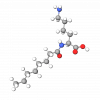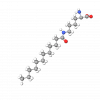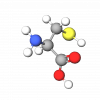
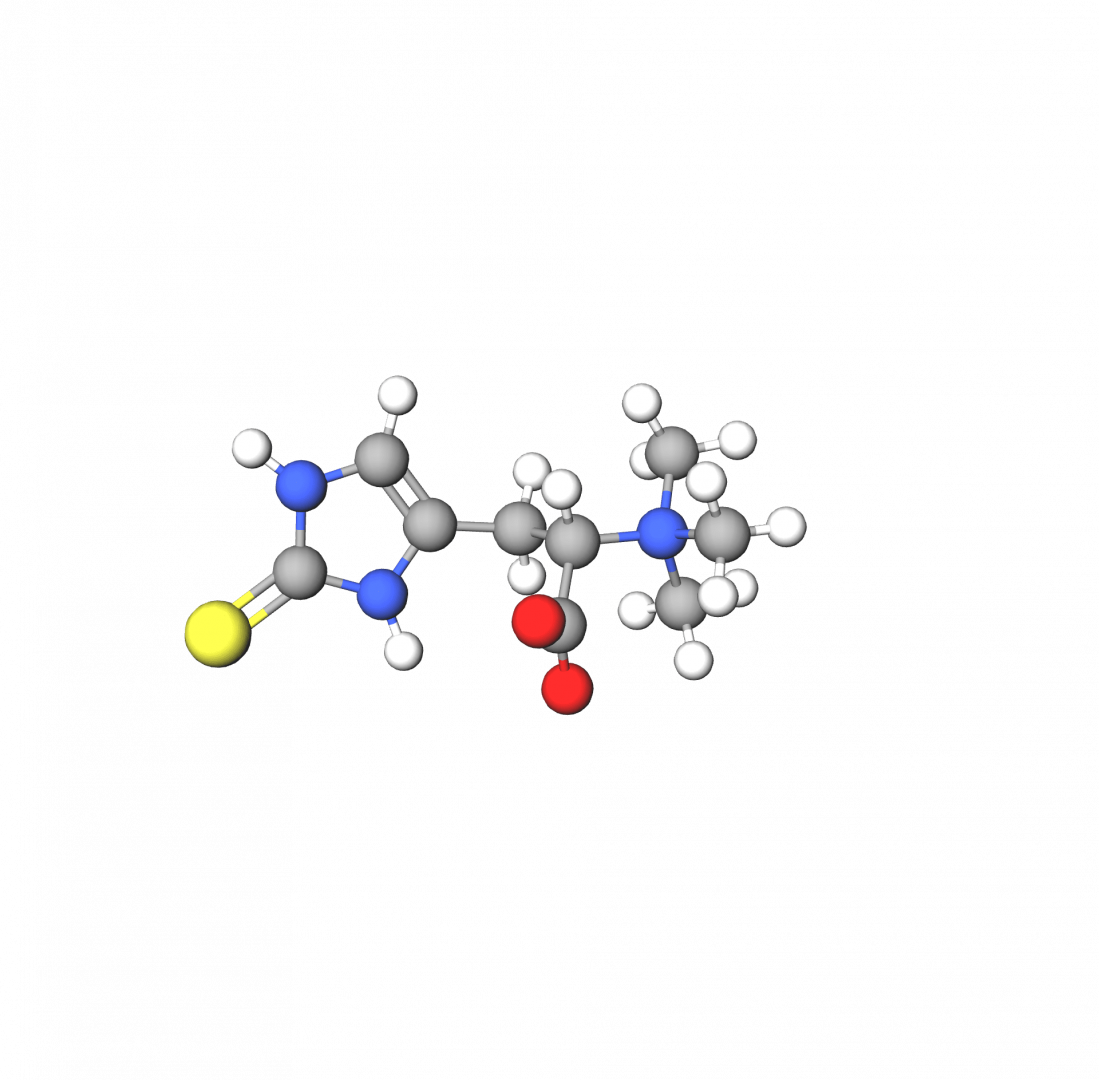
Ergothioneine (thiotaine) is an amino acid initially found in the Ergot fungus (Claviceps Purpurea) by Charles Tanret in 1909 and named after it. In nature, it is produced by certain non-yeast fungi and cyanobacteria. It accumulates in the human body via the organic cation transporter OCTN1.
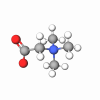
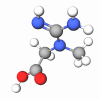
Thiotaine is a stable, colorless, odorless, water-soluble thiol with noticeable antioxidant and cytoprotective properties. At the cellular level, it protects against reactive species by acting as an active, functional antioxidant (radical scavenger), with an effect similar to that of the physiological antioxidant L-Carnitine.
Researchers found Thiotaine in the cytoplasm and nucleus, and even in mitochondria, suggesting it is an antioxidant that protects DNA integrity and hypothesized that it may also protect mitochondrial DNA, as OCTN1 was found to be expressed in the mitochondria.
Ergothioneine transporter OCTN1 is expressed in dermal keratinocytes and fibroblasts. Thiotaine in those cells acts as a physiological protectant against UV-induced inflammation and damage, and studies confirmed that it increased cell viability after UV exposure by reducing tumor necrosis factor-α (TNFα) expression. Moreover, Ergothioneine suppresses UV-induced matrix metalloproteinase-1 (MMP-1) production, protecting skin's structural proteins (mainly collagen) from degradation.Ergothioneine forms complexes with bivalent metal ions such as Cu2+, Cd2+, Co2+, Ni2+, and Fe2+, acting as a chelating agent.
With multiple beneficial effects on the skin, Thiotaine is an exceptional candidate for incorporation into high-end skin care applications. It has a great potential in anti-aging, protective, and after-sun applications. It is a well-studied, safe, and effective ingredient.
F.A.Q.
What are the cosmetic benefits of ergothioneine?
- Ergothioneine is a natural antioxidant found in many tissues, including the skin. The effectiveness against free radicals is comparable with vitamin C's antioxidant effect.
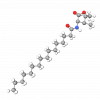
- Thiotaine's structure is similar to essential Carnitine (ingredient frequently used in body contouring and anticellulite formulas), which naturally transfers fatty acids into mitochondria for energy production. Thiotaine also transfers fatty acids, boosts ATP (energy) production, fat metabolism, and revitalizes skin cells.
- This amino acid also inhibits collagen destructing enzyme called MMP-1, preserving those structural fibers and improving skin's firmness and elasticity.
- EGT inhibits tyrosinase, a key enzyme in melanin production, resulting in skin whitening and eliminating hyperpigmentation and dark spots.
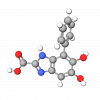
- It's also a potent chelator agent similar to Kojic acid that connects with heavy metal ions, guarding the skin against harmful effects.
It's a perfect ingredient for anti-aging formulations that fight against many factors of dermal maturation.