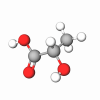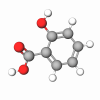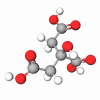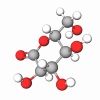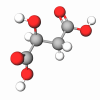
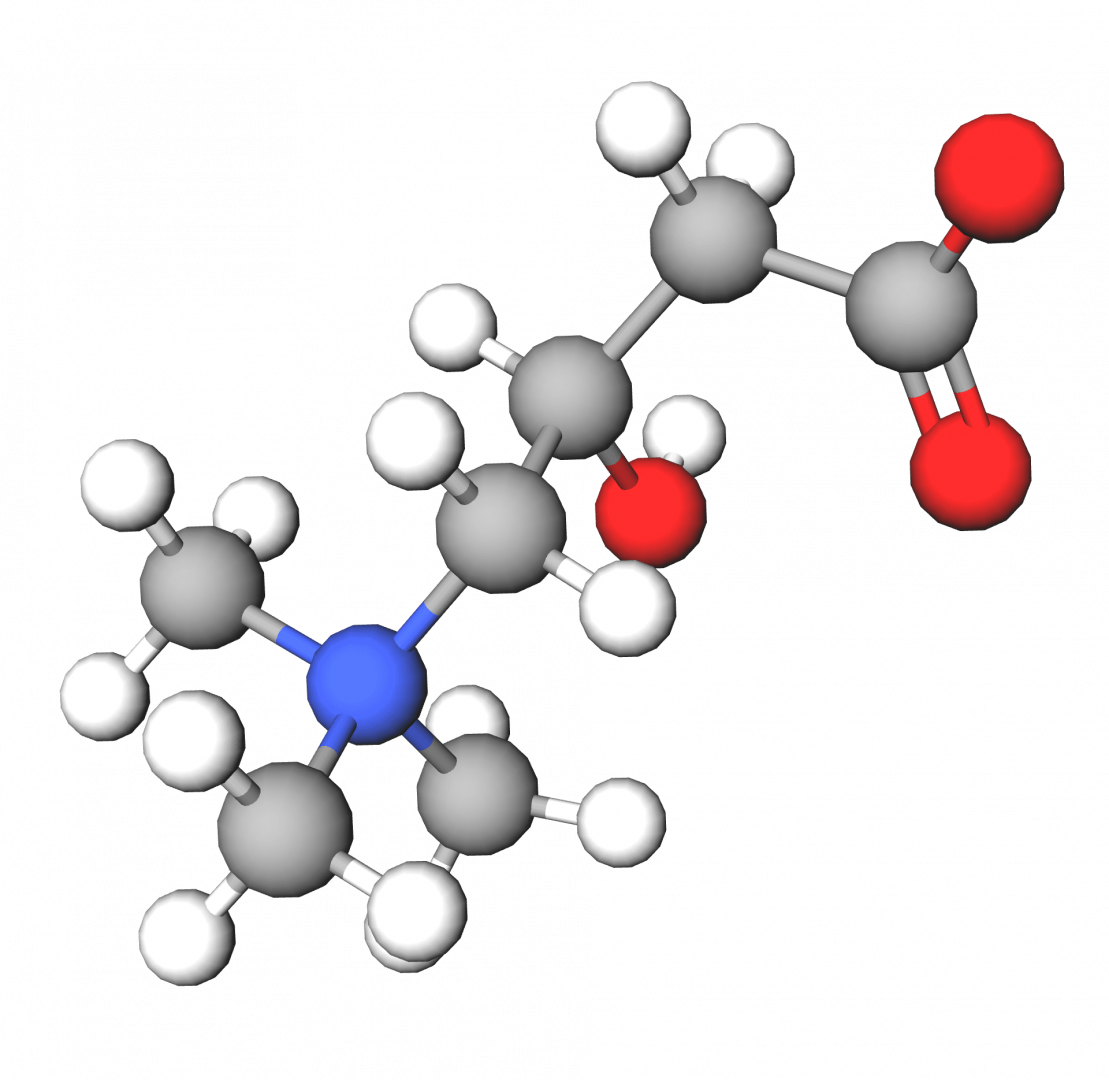
L-carnitine is a hygroscopic white crystalline powder, a natural constituent of body cells, an amino acid-like compound that can either be produced endogenously (by the body) or obtained through the consumption of red meat. Additional intake of L-carnitine facilitates its natural stimulatory role in the use of fatty acids, resulting in increased metabolism and reduced skin lipidic substrates. Moreover, Carnitine reduces glucose consumption in microcirculation and protects the endothelium, the smooth musculature of the surface blood vessel.
It promotes fat breakdown; thus, it's an excellent cellular energizer. It accelerates fat burning, boosting energy production by tapping into the body's fat reserves. It transports fatty acids across the mitochondrial membrane for a process called beta-oxidation, resulting in ATP (cellular energy currency) production. In addition, being hygroscopic, L-Carnitine can hydrate the skin, even at low levels, leaving it soft, smooth, and moisturized.
Carnitine is a substance that aids in penetrating the skin barrier and the cellular membrane structures since the adipocytes and the fat deposits are located in a deep skin layer, the dermis. It was initially found in the muscular tissues, where it is present as is or esterified with an acyl group.
In particular, peripheral vascularization is improved due to its structural similarity to acetylcholine, an endogenous neurotransmitter. This function makes L-carnitine especially effective in treating cellulite. It is also a betta-hydroxy acid (BHA) that exfoliates dead cells, modulates sebum secretion in oily skin, and mitigates UV-induced tissue damage.
History
The only available chemical manufacturing process for many years consisted of L-Carnitine separation from the racemic mixture of synthetically produced D- and L-Carnitine. This separation process invariably resulted in residual D-Carnitine in the final product of L-Carnitine. In 1991, Hans Kulla of Lonza Inc. reported the synthesis of pure L-Carnitine via a biotransformation process that guaranteed the production of 100% pure L-Carnitine (i.e., the product contained 0.0% D form).
Initial interest in L-Carnitine involved its use as a vital nutritional supplement. In the body, one of the most fundamental roles of L- Carnitine is the transport of long-chain fatty acids across the mitochondrial membrane into the mitochondria, where the fatty acids are ultimately broken down and converted to energy. L-Carnitine is, therefore, essential for fat metabolism and energy production.
When used as a dietary supplement, L-Carnitine has been observed to increase the VO2 max (maximum aerobic power that can be achieved) in endurance athletes (presumably by increasing fat breakdown). Utilization of fat in working muscles has a glycogen-sparing effect, thereby delaying exhaustion and enhancing performance. L-Carnitine has also been observed to alleviate delayed-onset muscle soreness (DOMS).
Given L-Carnitine's significant role in fat breakdown, it is not surprising that one of the first applications of this material in cosmetics was in contouring creams and cellulite control formulations.However, attention has recently focused on the beneficial effects of this GRAS (generally regarded as safe) ß-hydroxy acid on the skin itself. The following sections discuss the benefits imparted to skin by L-Carnitine and some formulations that use those benefits.