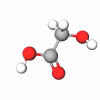
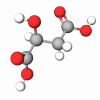
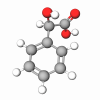
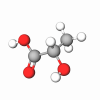
Citric Acid is an alpha-hydroxy acid (AHA) found in many fruits, especially citrus. It is one of the most popular ingredients in personal care products because of its many benefits.
Exfoliating
Citric acid can disrupt corneocyte cohesion in the epidermis. This process, called chemical peeling (or chemical exfoliation), removes dull, old cells from the skin's surface, leaving a fresher, brighter, healthier appearance. In medicine, it is used to treat keratoses, clear clogged sebaceous glands, and is useful in anti-acne applications.1 4
Firming
Studies found that CA enhances collagen I and procollagen II production, improving skin firmness and elasticity. In addition, it increases cell migration and the rate of renewal by inducing apoptosis through the mitochondrial pathway, eliminating sun-damaged epidermal cells2. At concentrations up to 2%, it promotes wound healing and healthy granulation tissue3. At high concentrations (20%), it may increase epidermal thickness and enhance GAG levels in UV-damaged skin.
Energizing
Citric Acid is a key participant in the Krebs cycle (also CAC - citric acid cycle or TCA), where it is oxidized to CO2 and generates ATP (fuel for cells and energy storage). It energizes cells, boosting their function, proliferation, and renewal.Chelating
Citric acid also chelates metal ions that can contribute to discoloration and reduce preservative effectiveness.5
Other functions
It is also used to adjust the pH and as a preservative (antibacterial and antifungal) to extend the shelf life of skin care formulations.6
CA is a multifunctional, well-studied, and safe (in cosmetic concentrations) ingredient7. However, a study on the human keratinocyte HaCaT cell line (immortalized, non-tumorigenic human epidermal keratinocytes) showed cytotoxicity via apoptosis induction8. It is rapidly biodegradable (eco-friendly) and safe for aquatic organisms.
References
- Dual Effects of Alpha-Hydroxy Acids on the Skin.PMID:29642579DOI:PMC6017965
- Citric acid increases viable epidermal thickness and glycosaminoglycan content of sun-damaged skin.PMID:9256916DOI:10.1111/j.1524-4725.1997.tb00391.x
- Simple and effective approach for wound-bed preparation by topical citric acid application.PMID:39788880DOI:10.25270/wmp.24014
- Use of organic acids in acne and skin discolorations therapyPMID:25811473DOI:10.5604/17322693.1145825
- Citric acid is more effective than sodium thiosulfate in chelating calcium in a dissolution model of calcinosis.PMID:39730321DOI:PMC11681028
- Slow release anti-fungal skin formulations based on citric acid intercalated layered double hydroxides nanohybrids.PMID:26023319DOI:PMC4446550
- Safety Assessment of Citric Acid, Inorganic Citrate Salts, and Alkyl Citrate Esters as Used in Cosmetics.PMID:24861367DOI:10.1177/1091581814526891
- Citric acid induces cell-cycle arrest and apoptosis of human immortalized keratinocyte cell line (HaCaT) via caspase- and mitochondrial-dependent signaling pathways.PMID:24123010DOI:33/10/4411