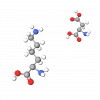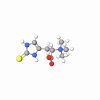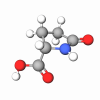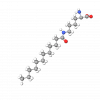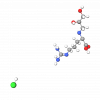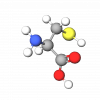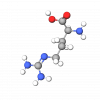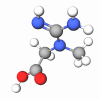
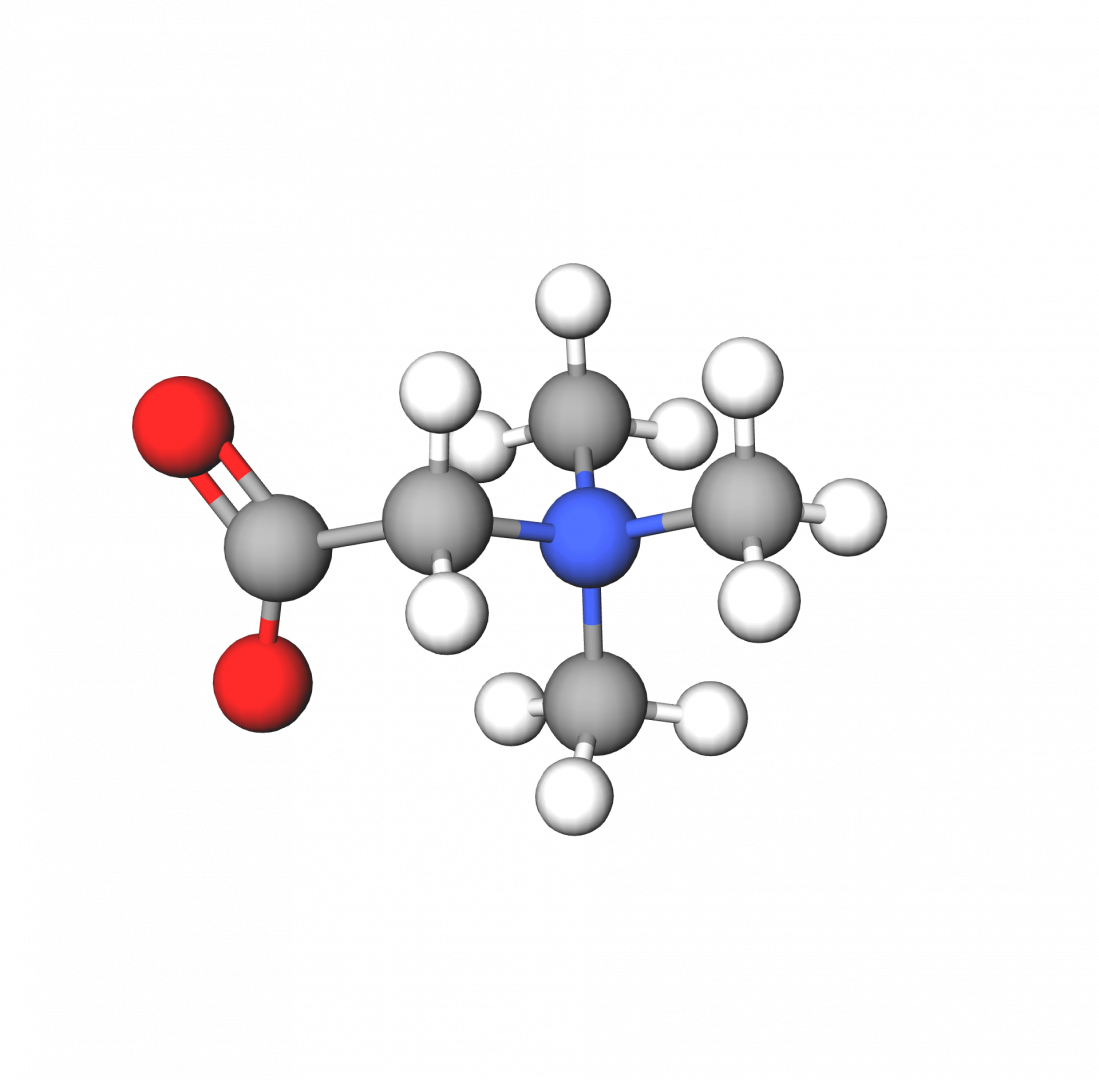
Betaine (trimethylglycine, also called Betaina) is an amino acid found in plants, microbes, and animals. It has osmoprotective, hydrating, and anti-inflammatory properties and can be derived from natural sources such as sugar beets.
Betaine improves mitochondrial activity, balances moisture, and reduces skin irritation. It improves the metabolism of sulfur-containing amino acids, protecting them from oxidation. Moreover, it reduces inflammation via the NF-κB/NLRP3 pathway, endoplasmic reticulum stress, and prevents apoptosis.
Several studies have shown that Betaine regulates energy metabolism, enhancing fat ß-oxidation and reducing fat generation and deposition in adipocytes (fat cells). This makes it a promising ingredient for slimming, recontouring, and anti-cellulite formulations.
Thanks to its antimicrobial and anti-inflammatory properties, Betaine is used in wound-cleansing and ulcer-treatment preparations. It accelerates wound healing, reduces inflammation, and promotes dermal tissue regeneration.When combined with salicylic acid, Betaine showed good results in acne treatment. It reduced the irritation and cytotoxicity of the preparations, demonstrating exceptional mitigating properties and additional benefits, including anti-inflammatory, moisturizing, and antioxidant effects.