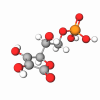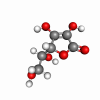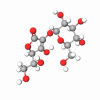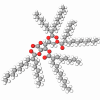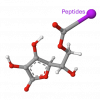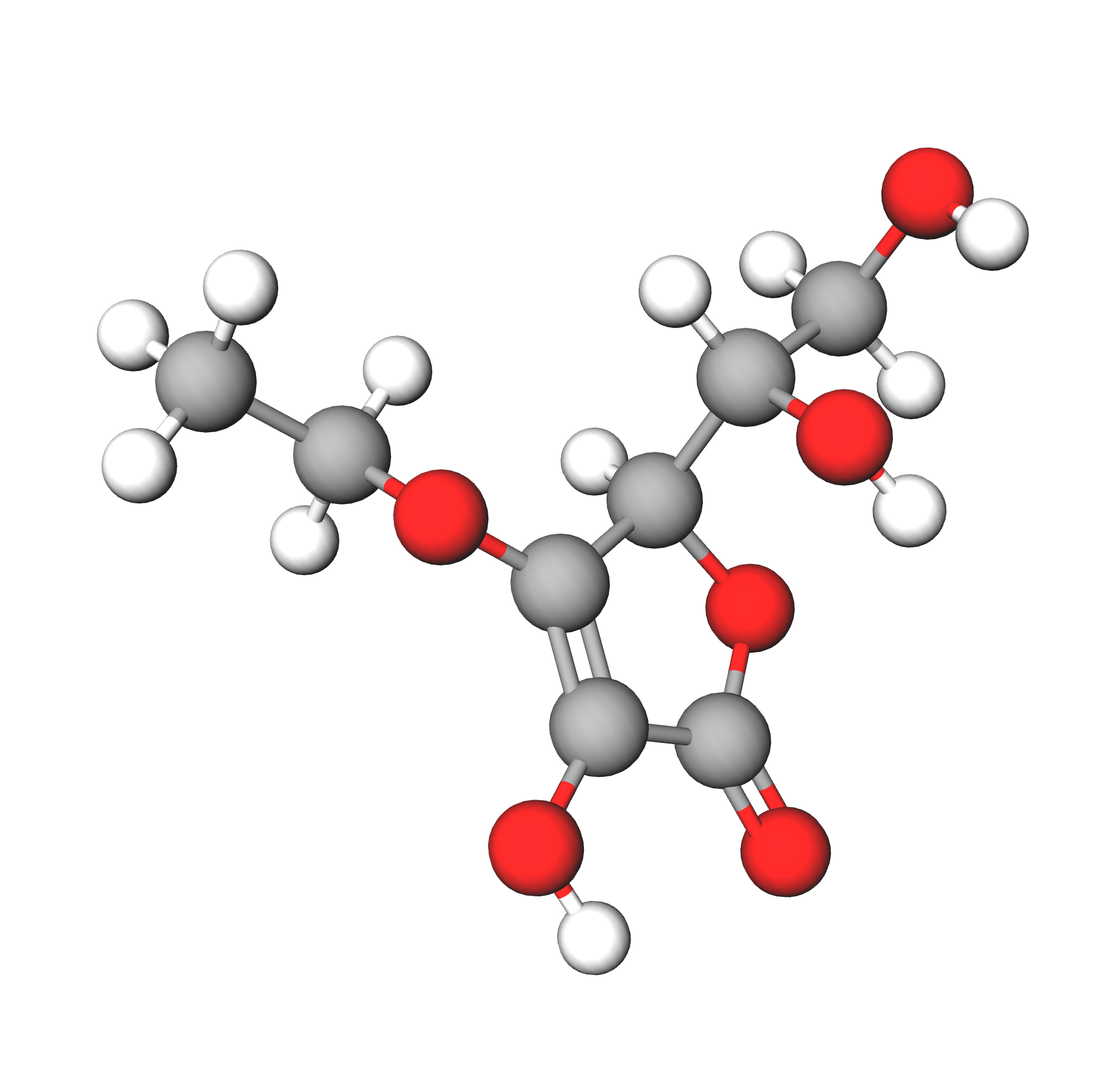
3-O-Ethyl Ascorbic Acid (former designation: Ethyl Ascorbyl Ether) is a white crystalline powder, an ethered derivative of ascorbic acid, one of the most excellent derivatives of Vitamin C so far. It is chemically very stable and a discolored derivative of ascorbic acid, but it can also penetrate the skin and be metabolized by the body as ascorbic acid. So, its effect is better than pure ascorbic acid.
Exhibiting unique dual lipophilic and hydrophilic properties (water- and oil-soluble), 3-O-Ethyl Ascorbic Acid is an excellent ingredient that can be easily incorporated into different skin care applications. The most important thing is that it can easily penetrate the dermis and have a biological effect, while pure ascorbic acid almost does not enter the dermis.
The 3-O-Ethyl Ascorbic Acid is an exemplary option for cosmetic products for multiple benefits:
- Excellent whitening effect: inhibits the activity of Tyrosinase by acting on Cu2+
- Prevents the synthesis of melanin(≥2%)
- Potent antioxidant effect
- A stable derivative of ascorbic acid with a lipophilic and hydrophilic structure
- Anti-inflammation inhibits the growth of bacteria
- It improves the complexion and enhances skin elasticity.
- Repairs skin cells and enhances collagen synthesis.
References
- 3-O-ethyl-l-ascorbic acid: Characterisation and investigation of single solvent systems for delivery to the skinPMID:31517290DOI:10.1016/j.ijpx.2019.100025
- Lipid-Based Gels for Delivery of 3-O-Ethyl L-Ascorbic acid in Topical ApplicationsPMID:39339223DOI:10.3390/pharmaceutics16091187
- The anti-melanogenic effects of 3-O-ethyl ascorbic acid via Nrf2-mediated α-MSH inhibition in UVA-irradiated keratinocytes and autophagy induction in melanocytesPMID:34314818DOI:10.1016/j.freeradbiomed.2021.07.030
- Antioxidant Ability and Stability Studies of 3- O-Ethyl Ascorbic Acid, a Cosmetic Tyrosinase InhibitorPMID:30311899
- Proteomic analysis of the combined effects of cannabigerol and 3-O-ethyl ascorbic acid on kinase-dependent signalling in UVB-irradiated human keratinocytesPMID:39537961DOI:10.1038/s41598-024-78859-5