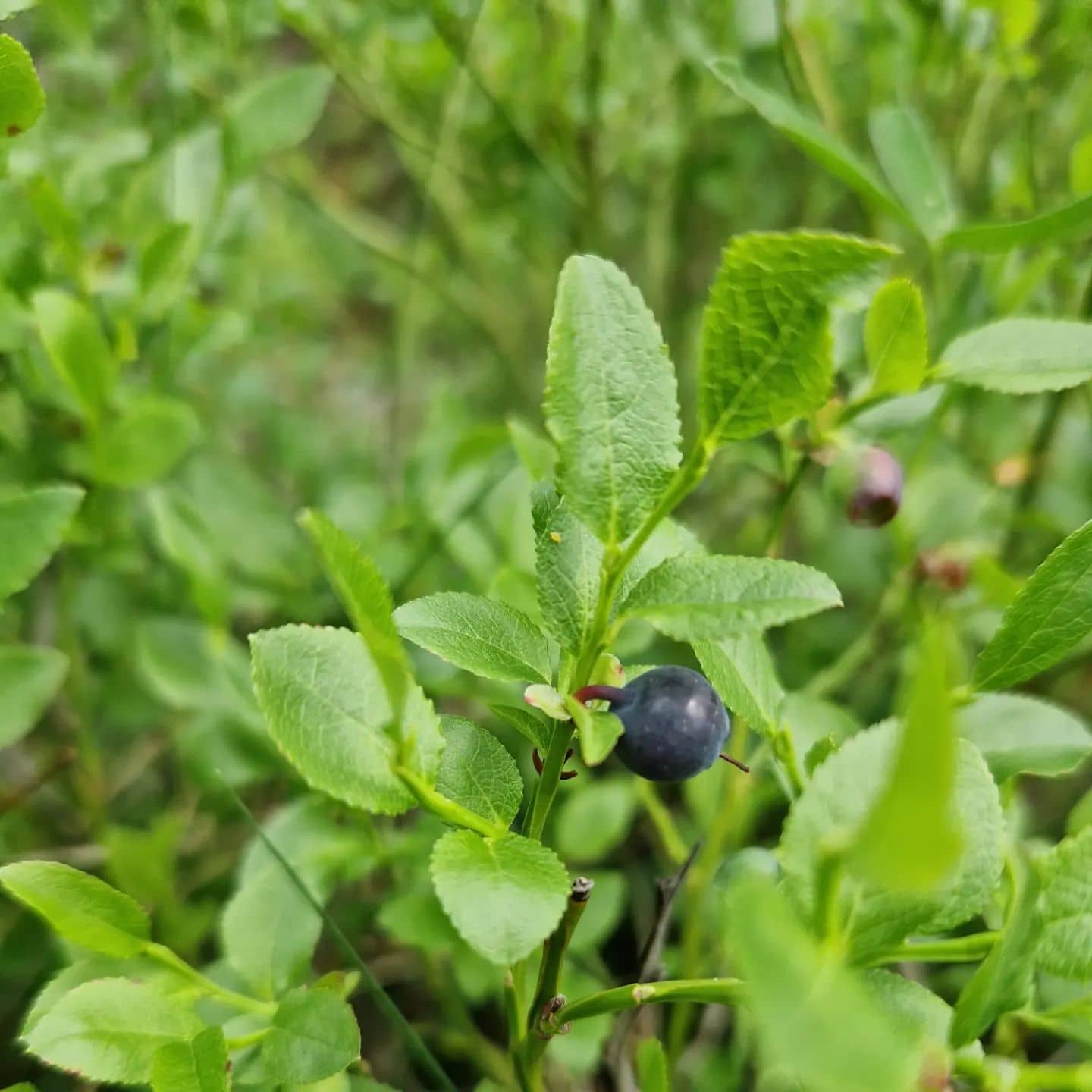
Vaccinium Myrtillus (Bilberry) Fruit/Leaf Extract is a light to medium amber liquid with a characteristic odor. It is soluble in water in any proportion.
Bilberry has been used as a natural astringent with germicidal action and for the treatment of eye disorders. In ancient civilizations, its fruit and leaf extracts were used for sore throat pain and ulcerated mouth and gums. It is also used in European traditional medicine to end lactation and treat eczema and dry skin.
Vaccinium Myrtillus Fruit/Leaf Extract is rich in polyphenols, tannins, and anthocyanidins with many beneficial properties. It exhibits noticeable antioxidant activity and reduces UV-induced damage. In the case of UVB exposure, it lessens cytotoxic and genotoxic effects, while reducing dermal lipid peroxidation. It also reduces UVA-induced genotoxicity and apoptosis, lessening oxidative stress and apoptotic markers.
Moreover, topical application of Vaccinium Myrtillus Fruit/Leaf Extract has anti-inflammatory effects and can be helpful in the treatment of chronic allergic contact dermatitis. Fermented Bilberry Extract is also reported as valuable against aging, with antioxidant and skin whitening properties.
Vaccinium Myrtillus Fruit/Leaf Extract is a safe, effective, and natural ingredient for personal care applications. It is used for its astringent, protective properties in face and body spray mists, skin creams, and lotions. However, there are rare reported cases of sensitization and allergic reactions to topical Bilberry preparations.
Synonyms
Vaccinium Myrtillus Fruiting Top
Bilberry Extract
Changed
References
Bilberry
Author(s):
Drugs and Lactation Database (LactMed®)
Journal:
National Institute of Child Health and Human Development; 2006
PMID:
30000885
Protective effect of Vaccinium myrtillus extract against UVA- and UVB-induced damage in a human keratinocyte cell line (HaCaT cells)
Author(s):
Calò R, Marabini L
PMID:
24577051
DOI:
10.1016/j.jphotobiol.2014.01.013
Antioxidant action of Vaccinium myrtillus extract on human low density lipoproteins in vitro: initial observations
Author(s):
Laplaud PM, Lelubre A, Chapman MJ
PMID:
9182074
DOI:
10.1111/j.1472-8206.1997.tb00166.x
Lonicera caerulea and Vaccinium myrtillus fruit polyphenols protect HaCaT keratinocytes against UVB-induced phototoxic stress and DNA damage
Author(s):
Svobodová A, Zdarilová A, Vostálová J
PMID:
19747801
DOI:
10.1016/j.jdermsci.2009.08.004
Antiaging, Brightening, and Antioxidant Efficacy of Fermented Bilberry Extract (Vaccinium myrtillus): A Randomized, Double-Blind, Placebo-Controlled Trial
Author(s):
Nobile V, Dudonné S, Kern C, Roveda G, Garcia C
PMID:
39064646
DOI:
10.3390/nu16142203
Anti-inflammatory effects of anthocyanins-rich extract from bilberry (Vaccinium myrtillus L.) on croton oil-induced ear edema and Propionibacterium acnes plus LPS-induced liver damage in mice
Author(s):
Luo H, Lv XD, Wang GE, Li YF, Kurihara H, He RR
PMID:
24548119
DOI:
10.3109/09637486.2014.886184
Anthocyanins from bilberry (Vaccinium myrtillus L.) alleviate pruritus in a mouse model of chronic allergic contact dermatitis
Author(s):
Yamaura K, Shimada M, Ueno K
PMID:
22022165
DOI:
10.4103/0974-8490.85002
Anthocyanins, but not Anthocyanidins, from Bilberry ( Vaccinium myrtillus L.) Alleviate Pruritus via Inhibition of Mast Cell Degranulation
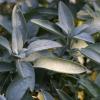
To the ancient Arabians, Sage (Salvia Officinalis) was associated with immortality and longevity. They also credited Salvia Officinalis with increasing mental capacity.
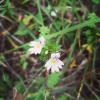
The astringent and anti-inflammatory properties of Euphrasia officinalis (Eyebright) extract the result from the presence of tannins. In cosmetics today, it is used to soothe and smooth the eye contour area.
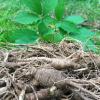
In Asia, Panax (means ‘treating all’ in Greek) is considered to be the most valuable plant among all, and its root called Ginseng became famous worldwide.
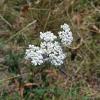
Yarrow extract contains flavonoids that encourage circulation, lower blood pressure, and help stop bleeding. In addition, thanks to significant antioxidant action, flavonoids protect dermal cells membranes and DNA from free radicals and oxidative stress, preserving natural youth and vitality.
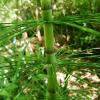
Traditionally Horsetail (Equisetum arvense) extract has been used for the treatment of inflammatory conditions in Europe. Novel experimental findings showed that Equisetum arvense has a modulatory effect on T-leucocytes that producing mediators of inflammation. It provides an anti-inflammatory effect, soothing, smoothing edema, and eliminating irritation of the skin.
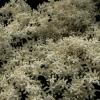
Elderflower (Sambucus nigra flower) extract is extracted from organically grown flowers. The elder has been called‘ the cosmetic tree’ by some herbalists since nearly all the parts of it can benefit the skin. The flowers are used for a variety of skin problems, especially on inflammation or broken skin.
Sage leaf extract is an organic skincare ingredient and natural antioxidant. The leaves of the small evergreen perennial are used in organic skincare products for their tonic, astringent, and soothing properties.