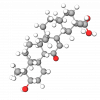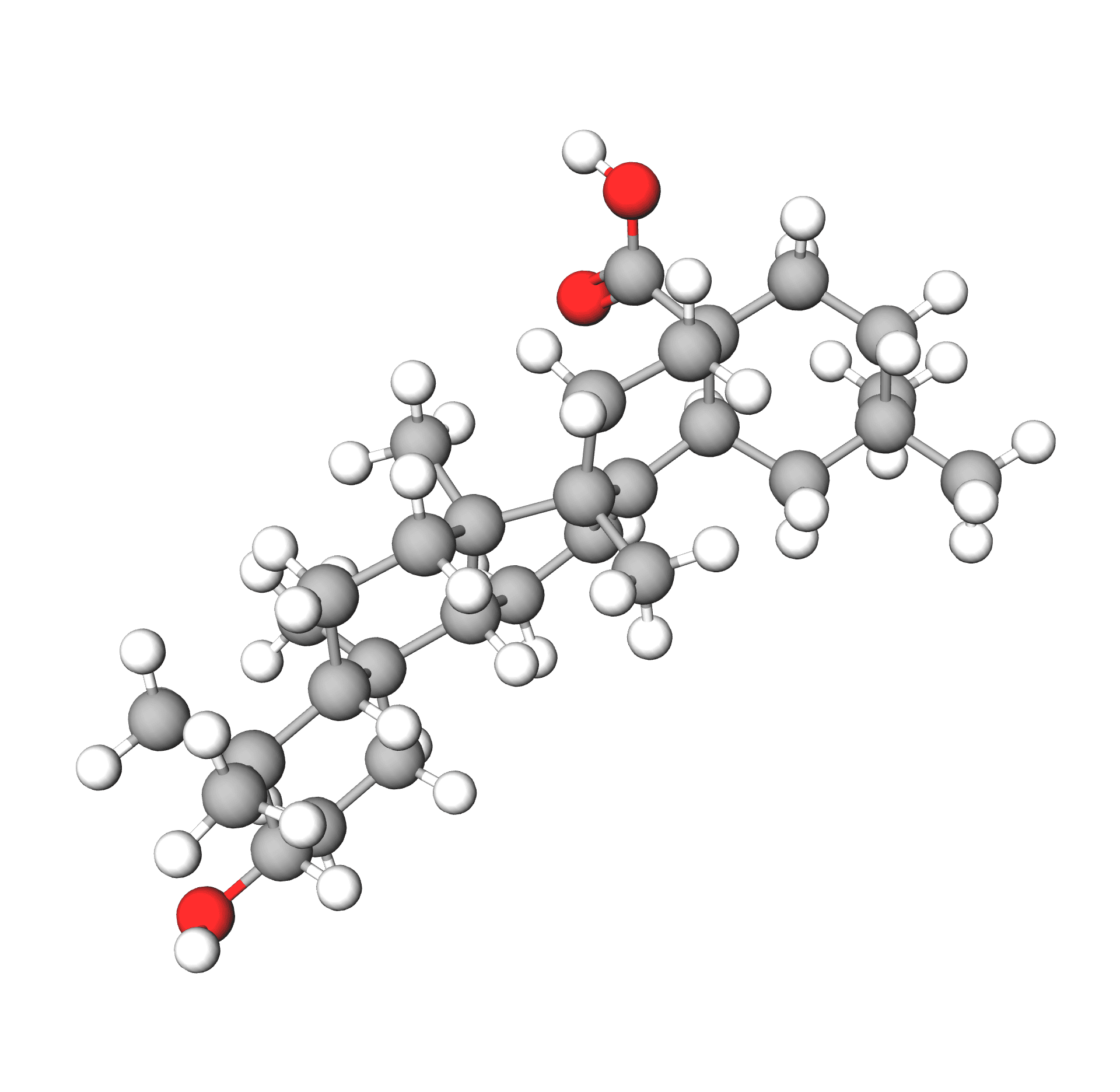
Oleanolic acid is a polycyclic aromatic hydrocarbon (pentacyclic triterpenoid) found in many plants, including rosemary, lavender, sage, and olive. It is a well-studied, edible, and biologically active compound with multiple beneficial effects1. In topical preparations, it is valued for its hair growth-promoting, collagen-promoting, antimicrobial, antioxidant, protective, and anti-aging properties.
Oleanolic acid showed good results in hair growth promotion in mouse models of testosterone-induced androgenetic alopecia. It promotes β-catenin and hair matrix cell proliferation via the Wnt/β-catenin pathway and reduced several factors of androgenetic alopecia, including dihydrotestosterone, 5α-reductase, tumor necrosis factor-alpha, and transforming growth factor-beta 12. Because of its hair growth-promoting effect, it is used in cosmetic complexes like Procapil®, AC.NET™, Evermat™ and as an active ingredient in many hair care products.
In skin care, Oleanolic acid has been tested for treating various skin conditions and diseases, including atopic dermatitis, psoriasis, bacterial and fungal infections, allergic and inflammatory conditions, and aging. A study showed that it ameliorates mast cell-mediated allergic inflammation and lessens and inhibits atopic dermatitis symptoms by regulating inflammatory mediators. It suggests oleanolic acid as an effective active ingredient for treating allergic disorders, including atopic dermatitis3.
Another study showed that Oleanolic acid inhibits pollution-induced CYP1A1 and prevents the promotion of tumor necrosis factor-alpha and interleukin 6. It lessens matrix metalloproteinase 1 production by fibroblasts and prevents the destruction of the skin's structural proteins, suggesting it as a protective anti-aging ingredient against pollution-induced premature aging4.Encapsulation in cyclodextrin enhances the bioavailability and chemical stability of Oleanolic acid for topical applications. It exhibits mitogenic properties, promoting dermal cell migration and cytoskeletal reorganization, accelerating wound healing, and enhancing cell viability5. It may also be a potential therapeutic agent against psoriasis6.
Oleanolic acid is a natural, safe, and effective ingredient for skin and hair care applications. It is derived from renewable sources as byproducts of the food industry, like olive milled waste, and is a biodegradable, eco-friendly ingredient7.
References
- Bioavailability of ursolic/oleanolic acid, with therapeutic potential in chronic diseases and cancer.PMID:39607293DOI:10.17219/acem/194013
- Effects of oleanolic acid on hair growth in mouse dorsal skin mediated via regulation of inflammatory cytokines.PMID:37016778DOI:10.32725/jab.2023.003
- Oleanolic Acid Alleviates Atopic Dermatitis-like Responses In Vivo and In Vitro.PMID:34769428DOI:PMC8584529
- Oleanolic Acid Protects the Skin from Particulate Matter-Induced Aging.PMID:32952129DOI:PMC7921861
- Oleanolic Acid Complexation with Cyclodextrins Improves Its Cell Bio-Availability and Biological Activities for Cell Migration.PMID:37834307DOI:PMC10573973
- Network pharmacology, molecular docking and in vivo study on oleanolic acid against psoriasis.PMID:41122516DOI:PMC12535998
- Oleanolic Acid: Extraction, Characterization and Biological ActivityDOI:10.3390/nu14030623