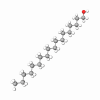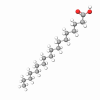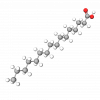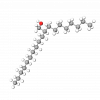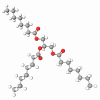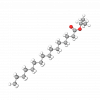
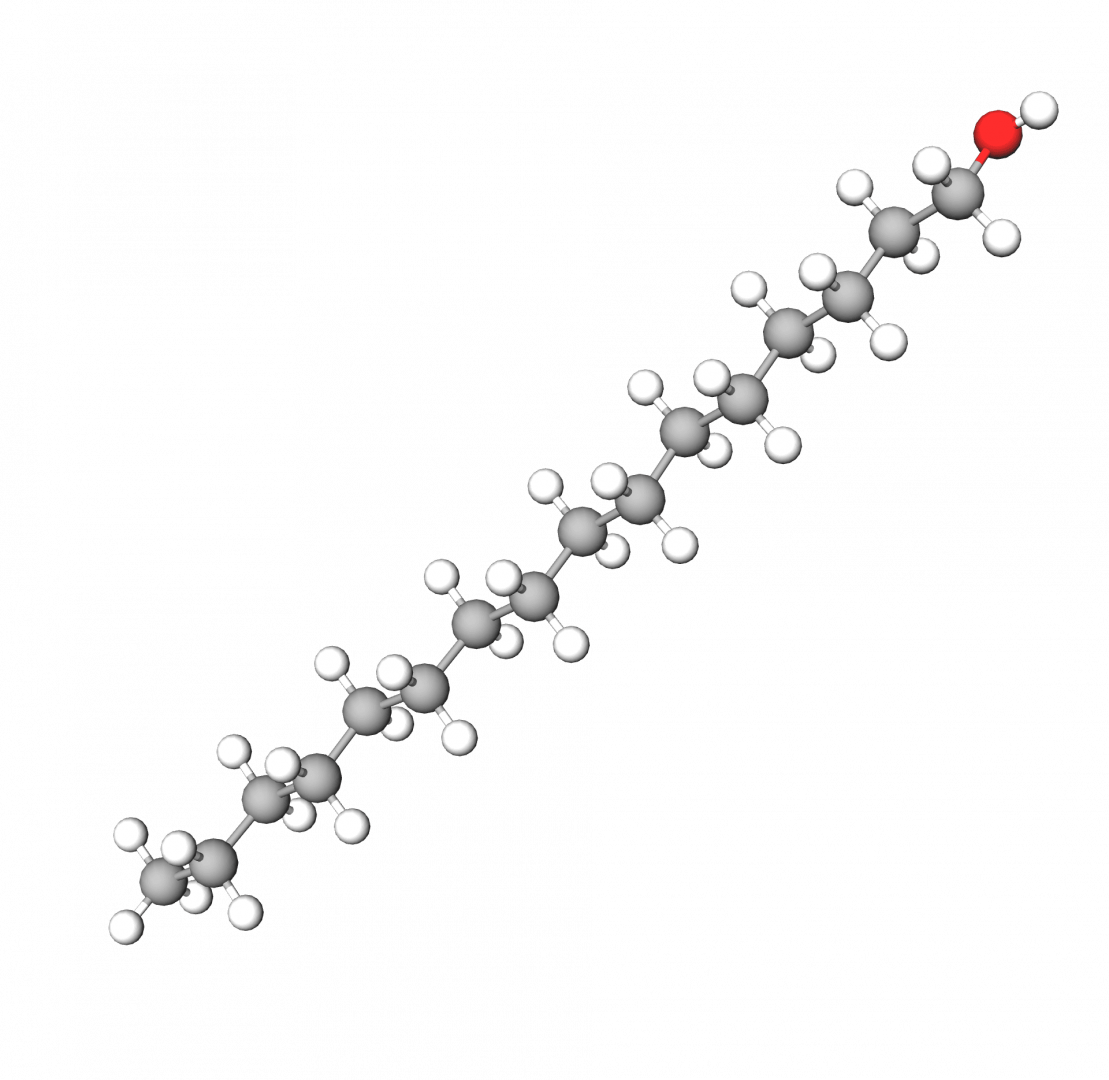
Cetyl alcohol (also known as 1-Hexadecanol) is a 16-carbon-length fatty alcohol produced from palm oil. It is a white solid in the form of flakes, odorless or with a faint odor. Cetyl alcohol is used as an emollient, emulsifier, thickener, and carrying agent. It is a non-drying alcohol, insoluble in water, soluble in alcohol and oils, and is structurally very close to Stearyl alcohol. Cetostearyl alcohol, a mix of Cetyl and Stearyl alcohols, exhibits better emulsification properties and increased emulsion stability.
Cetyl alcohol is one of the most commonly used fatty alcohols in the group and is used in various skincare and pharmaceutical applications. It emulsifies water-in-oil ointments and improves the water-retaining power of absorption bases. Cetyl alcohol is a non-gelling thickener, co-emulsifier (at ~5 concentration), viscosity and consistency enhancer (also in waterless products like lipsticks), emollient, moisturizer (attracts moisture), and foam booster.
In creams or emulsion bases, which are oil-in-water emulsions, 1-Hexadecanol acts to stabilize and increase the viscosity of the emulsion. As a result, creams with Cetyl alcohol tend to be soft and translucent. The thickness of the formula can be adjusted to suit the route of administration by varying the concentrations of water, fatty alcohol, and surfactant. It works well with both synthetic (Polyquaternium-7 and Polyquaternium-11) and natural polymers (Acacia gum).
In simple emulsions, Cetyl alcohol results in significantly lower viscosity. This is likely due to its different crystalline character and slightly less polar nature. Therefore, it is most commonly used in anhydrous systems and water-in-oil emulsions, where it enhances the formulation's water-absorbing capacity. 1-Hexadecanol is also employed in anhydrous sticks to modify texture or impart structure.Cetyl alcohol is a safe, well-studied, and widely used ingredient in cosmetic applications. However, rare cases of sensitization, allergic reactions, and contact dermatitis have been reported, which are generally mild and subclinical or related to impurities or co-formulated ingredients.