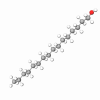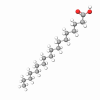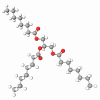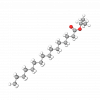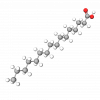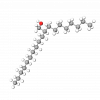
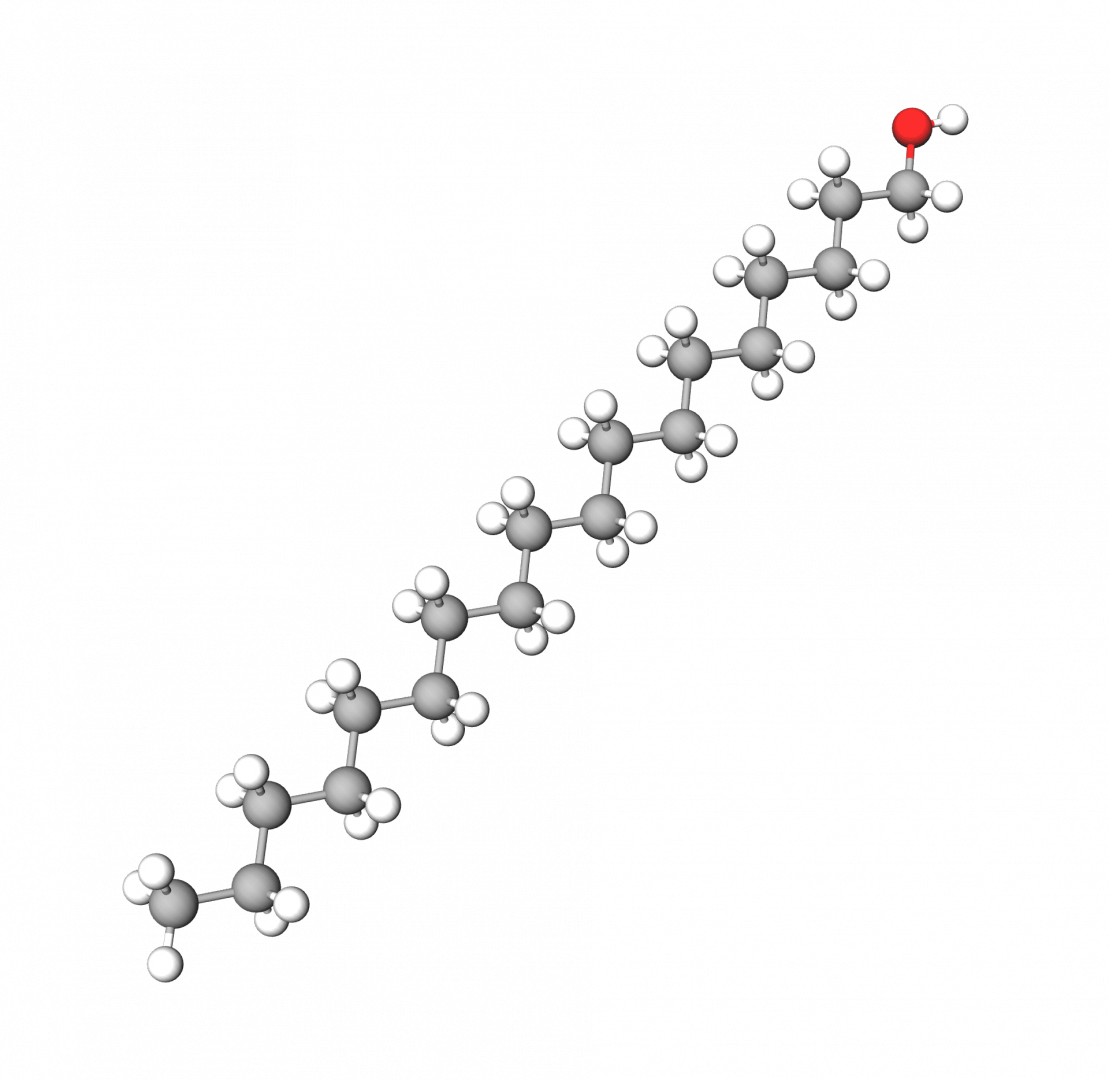
Stearyl alcohol (1-octadecanol) is a saturated aliphatic fatty alcohol of non-animal (botanical) origin. It performs various functions in the pharmaceutical and skin care industries; its use is not limited exclusively to topical administration. It is widely used to emulsify, stabilize, and opacify emulsions.
Long-chain fatty alcohols are crystalline in nature, allowing them to be used as structural agents such as oleogelators in the food and cosmetic industries. In addition, they confer bodying properties to emulsions, giving them greater density and improved viscosity. In doing so, Stearyl alcohol enhances both the aesthetics and the application properties of the emulsion. In topical dosages, it acts as an emollient and imparts a dry, velvety feel to the skin.
Stearyl alcohol is also used in anhydrous and low-moisture systems such as absorption bases, which aid in water absorption. It also aids in the formation of stick products such as lip balms and antiperspirants.
Since Stearyl alcohol is a wax-like substance, it can be used to modify the melting characteristics of products, including suppository bases. Additionally, the waxy nature of this fatty alcohol acts as a barrier retarding water penetration, which is helpful in the production of controlled-release tablets and pellets. Lubricating properties are also attributed to the wax-like nature of stearyl alcohol, providing additional benefits during manufacturing or to the final product.It is widely used in the hair care industry as a conditioning agent in cream-type rinses and conditioners. When used in cream rinse conditioners, fatty alcohol deposits on the surface of the hair's cuticle, replenishing the lipid content of the hair and providing lubricity. The hair is restored to a more hydrophobic state. This de-wetting and lubrication action on the hair's surface makes wet combing easy and detangling possible.
Scientific studies on mice showed a reduction of imiquimod-induced psoriasis-like skin inflammation with topical application of preparations containing different concentrations of Stearyl alcohol. Scientists also observed increased epidermal thickness.
Stearyl alcohol is a safe, effective, and well-studied ingredient for personal care and pharmaceutical applications. However, several rare cases of sensitization and allergic reactions, in the form of contact dermatitis with subclinical manifestations, have been described in the scientific literature.