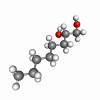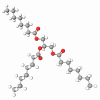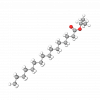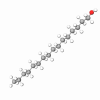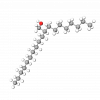
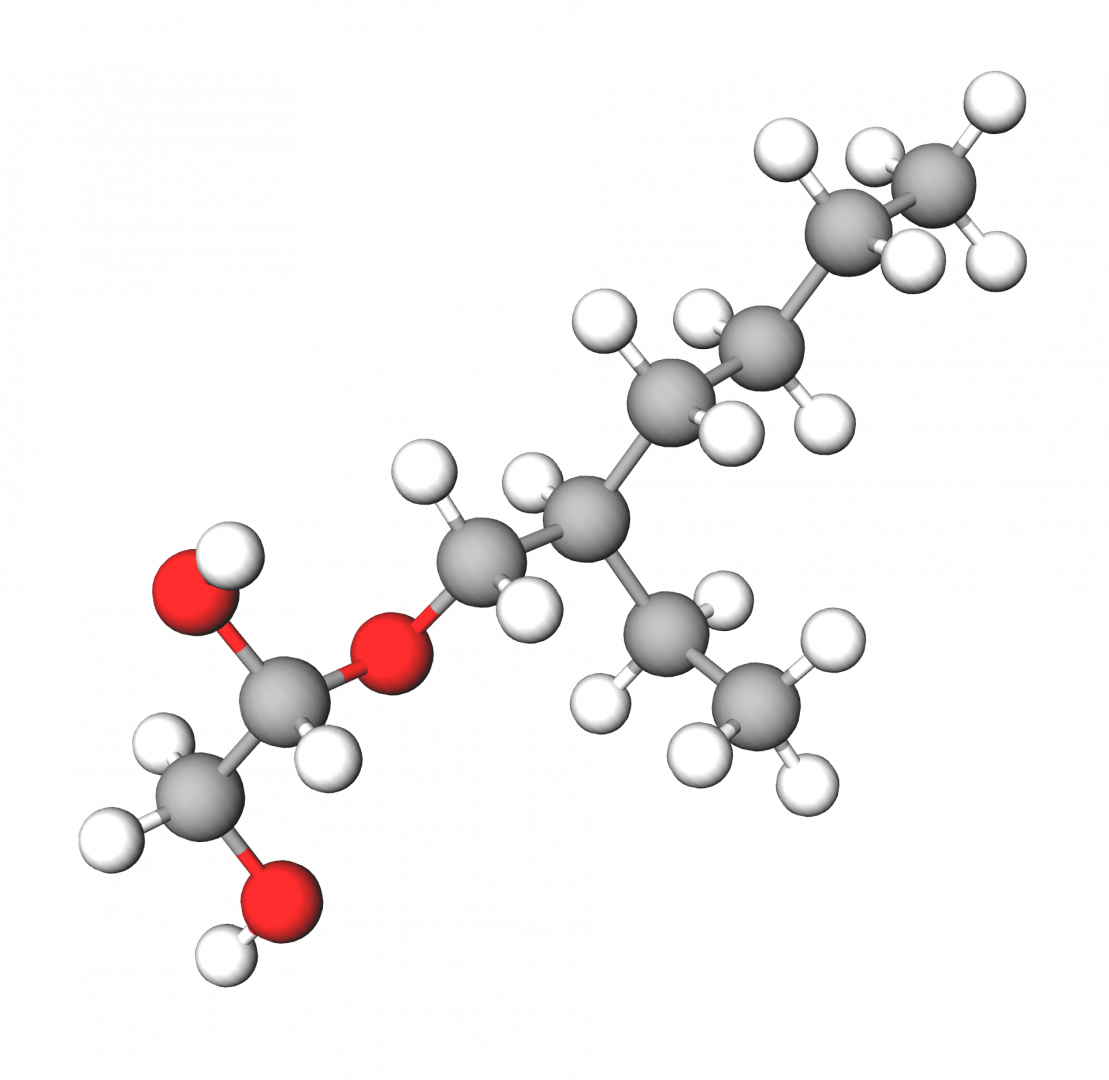
Ethylhexylglycerin is the ether of glycerin and Ethylhexyl alcohol (2-ethylhexhexanol), a multifunctional skincare ingredient that acts as a preservative, emollient, humectant, surfactant, and deodorant. It is a clear, colorless liquid that combines functional groups specific to glycerin and glycols (diols) used in personal care products.
Ethylhexylglycerin can be used as a medium-spreading, cost-effective emollient that improves the formulation's sensory characteristics. Its moisturizing ability is comparable to glycerin, and it does not enhance tackiness or oily feel on the skin.
Thanks to an amphiphilic structure, Ethylhexylglycerin is a surfactant that improves soaping formulations and the effectiveness of antimicrobial ingredients. When incorporated into leave-on products, it reduces the bacterial membrane's interfacial tension, enabling direct contact and penetration of antimicrobial compounds into microbial cells. Scientific studies have shown that it disrupts bacterial membrane integrity and significantly potentiates the effects of commonly used preservatives such as Phenoxyethanol.
Moreover, Ethylhexylglycerin speeds up the absorption of active ingredients in the formula, enhancing product effectiveness. When combined with classic antioxidants like tocopherol, it becomes highly resistant to oxidation and degradation, retaining activity for up to three years and prolonging the shelf life of the final product.As an antibacterial agent, Ethylhexylglycerin has excellent activity against Gram-positive bacteria that degrade sweat components into short-chain fatty acids (containing 2-5 carbon atoms), which cause axillary malodor. So, it acts directly as a deodorant agent and perfume fixative, and is used in many antiperspirants and deodorants. Its antibacterial and surface-active properties allow formulators to use Ethylhexylglycerin as a preservative or a preservation booster.
Ethylhexylglycerin is a safe, effective, generally biodegradable, and well-studied ingredient for personal care applications. However, it is a sensitizer (rare), and many allergic reactions have been reported in the literature, even in formulations labeled "hypoallergenic." Allergic reactions are mostly in the form of contact dermatitis with subclinical manifestations.
F.A.Q.
What are the benefits and advantages of Ethylhexylglycerin?
Beneficial effects include:
- booster of cosmetic alcohols and glycols
- improves skin feel of cosmetic formulations
- acts as a medium spreading emollient
- effective against odor-causing bacteria
- enhancer for traditional preservative systems
- boosting and fixating on fragrance ingredients