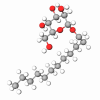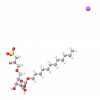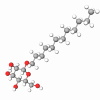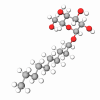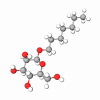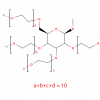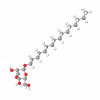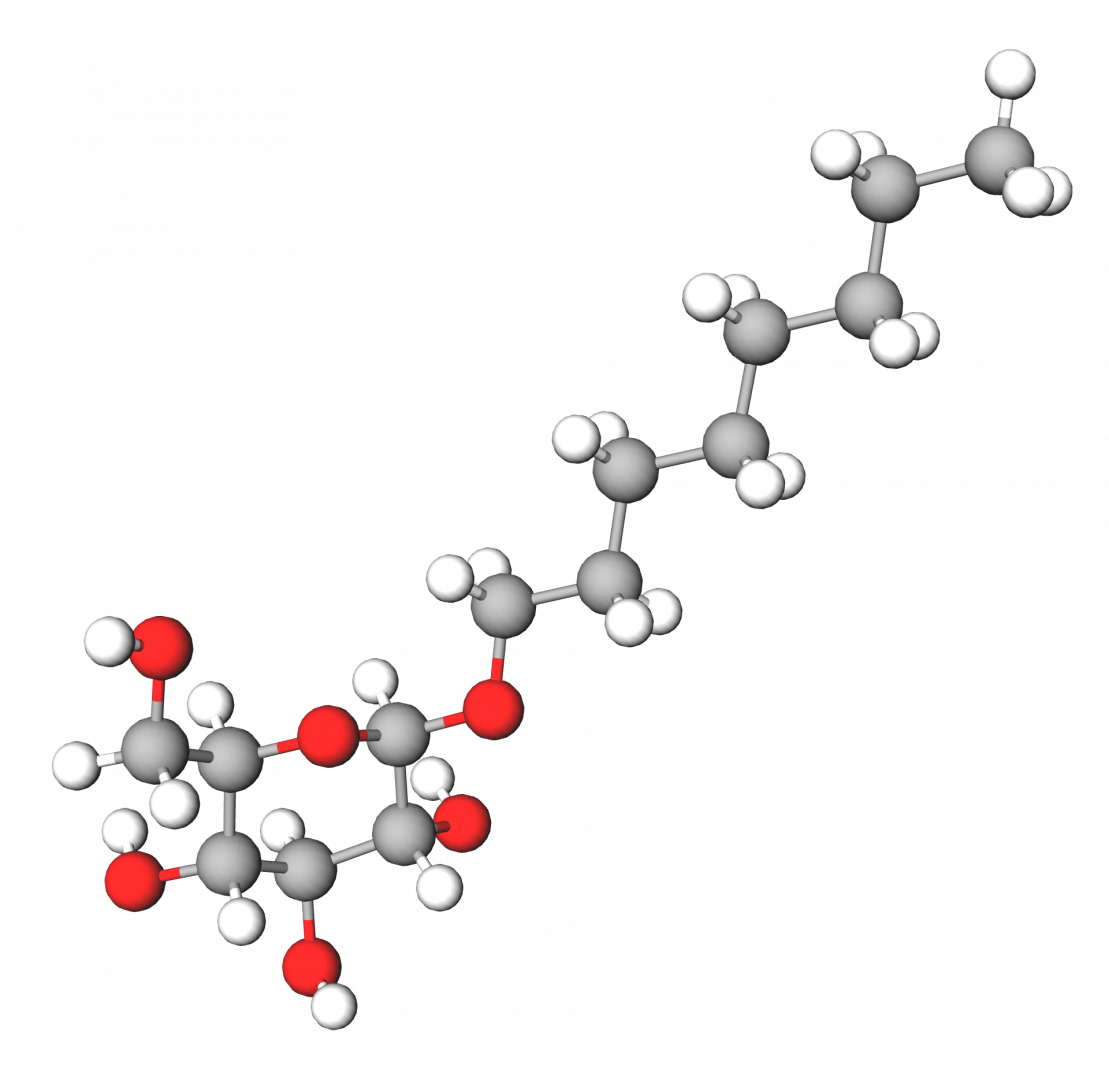
Made from vegetable oils and starch, Caprylyl/Capryl Glucoside is a non-ionic surfactant in demand for its performance, mildness, and low ecotoxicity. It is widely used in consumer products found on virtually every store shelf, ranging from baby shampoos to facial cleansers. Caprylyl/Capryl Glucoside meets the demand for a mild and powerful ingredient1.
Consumers generally associate "green" with natural ingredients and exceptional gentleness. As a sulfate-free, truly green alkyl glycoside, it can be readily incorporated into your shampoo formulations. It creates a perfect synergy of mildness, foaming performance, and effective cleansing, resulting in a green formulation – without any compromise in performance1.
In an epidemiological study, 44.2% of the people surveyed said they suffered from a sensitive scalp (47.4% of women and 40.8% of men)2. Hair loss was closely associated with scalp sensitivity. The main causal factors were considered to be pollution, heat, emotions, and shampoos. If the hair has already been damaged by chemicals, it can be further weakened by treatments with surfactants. In other words, sensitive hair such as bleached, colored, permed, weathered, or very fine hair should be shampooed with gentle-action surfactants.
According to a study into the effects of Alkyl polyglucoside on the phenomenon of scale lifting during extension of untreated hair fibers, it was found that treatments with Sodium Laureth Sulfate lead to more extensive weakening of the scale structure of combed fibers3. At pronounced extension levels, cuticle cells start to separate from underlying cuticles. By contrast, treatments with Alkyl polyglucoside show less severe scale lifting and reduced angles of scale lifting.Reports have identified alkyl glucosides as a cause of allergic reactions5, including allergic contact dermatitis4. Most documented cases involve sunscreen formulations containing these surfactants. They are increasingly recognized as an emerging allergen.
However, Caprylyl/Capryl Glucoside is considered a safe and effective ingredient derived from renewable natural sources. It is also rapidly biodegradable and eco-friendly6.
F.A.Q.
Which are the benefits of Caprylyl/Capryl Glucoside for hair?
Caprylyl/Capryl Glucoside is a green hair booster and mild natural hair-protecting surfactant, which benefits include:
- Natural, gentle, and intense cleansing for shampoos
- Outstanding cleaning performance
- Excellent foaming performance
- Compatibility with all kinds of surfactants
- Optimal mildness
- Sulfate-free, EO-free, utterly “green”
- Environmentally sound carbon footprint; ECOCERT Certified
References
- Natural Emulsifiers of the Alkyl Polyglucoside Type and Their Influence on the Permeation of DrugsDOI:10.1007/978-3-662-47039-8_14
- Sensitive scalp: does this condition exist? An epidemiological studyDOI:10.1111/j.1600-0536.2007.01288.x
- Failure of intercellular adhesion in hair fibers with regard to hair condition and strain conditions.PMID:15386026
- Allergic contact dermatitis caused by alkyl glucosidesPMID:24588370DOI:10.1111/cod.12154
- Patch testing with glucosides: The North American Contact Dermatitis Group experience, 2009-2018PMID:35551968DOI:10.1016/j.jaad.2022.04.058
- Safety assessment of decyl glucoside and other alkyl glucosides as used in cosmeticsPMID:24174472DOI:10.1177/1091581813497764