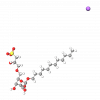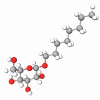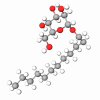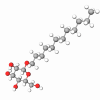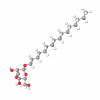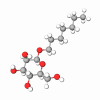
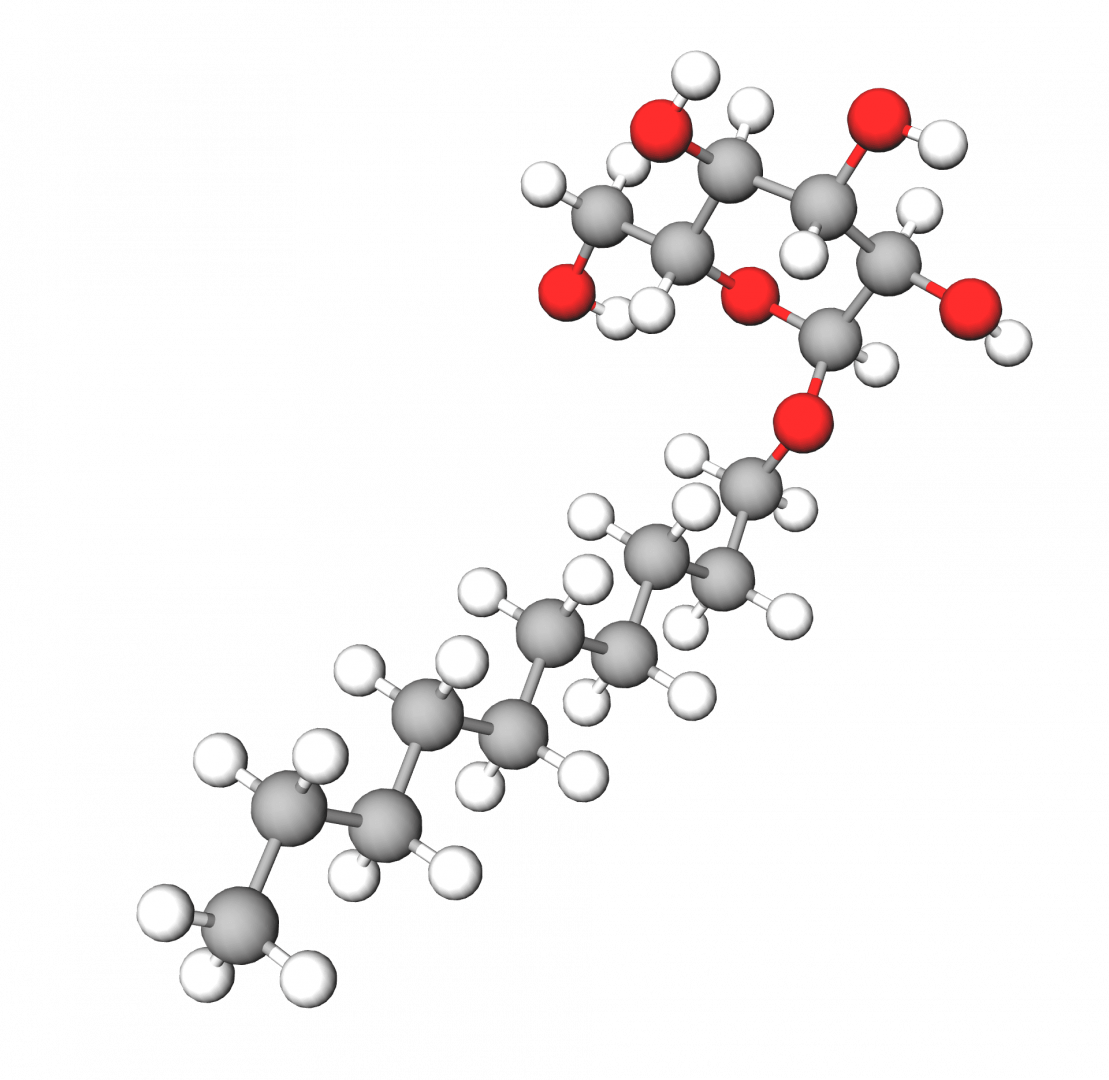
Decyl glucoside is a non-ionic surfactant with exceptional foaming properties and is gentle for the skin. It is a clear, golden, viscous liquid with no odor, soluble in water, and with a pH of 7.0-9.5 (10% actives).
This foaming surfactant is plant-derived, ECOCERT-certified, and preservative-free. Decyl glucoside is a non-irritant, naturally derived foaming agent derived from renewable raw materials such as vegetable oils and starches. Respecting the skin's biological balance and the environment, it is an ideal foaming surfactant for "green" hygiene and hair formulas!
Natural, mild, and with an excellent sensory profile, it's an ideal ingredient for liquid soap, foaming cleanser, or makeup remover. Decyl glucoside exhibits outstanding foaming properties, producing dense, creamy foam bubbles.
Most consumers associate "green" with safety for their health and the environment. Due to the regular and widespread use of various cleansers, safety and mildness are qualities that are imperative to consumers.Decyl glucoside properties
- Exceptional foaming properties for a non-ionic surfactant
- Reduces the total active material of the formulas
- Easy to thicken
- Nonirritant (respects the skin's biological balance)
- Eco-friendly
Specificities
- Ecocert
- Preservative-free
- Quasi Drug
F.A.Q.
Is Decyl Glucoside safe ingredient?
Using epicutaneous patch testing (ECT), primary skin irritation is assessed in humans using epicutaneous patch testing (ECT). In ECT, Decyl glucoside (DG) is compared to Ammonium Lauryl Sulfate, which is on top of the irritation score, followed by Sodium Laureth Sulfate and Cocamidopropyl Betaine. This test showed that DG has the lowest irritation potential of the surfactants tested.
Similar results were obtained for ocular/mucous membrane irritation assessed using the red blood cell test (RBC): While Ammonium Lauryl Sulfate and Sodium Laureth Sulfate are irritating, Cocamidopropyl Betaine is moderately irritating, and Decyl glucoside is totally not irritating.
However, another study using patch testing found that alkyl glucosides, including Decyl Glucoside, yielded about 2% positive results, which are frequently clinically relevant (including Allergic Contact Dermatitis) and related to personal care applications.