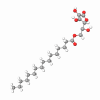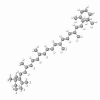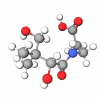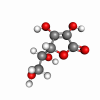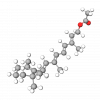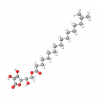
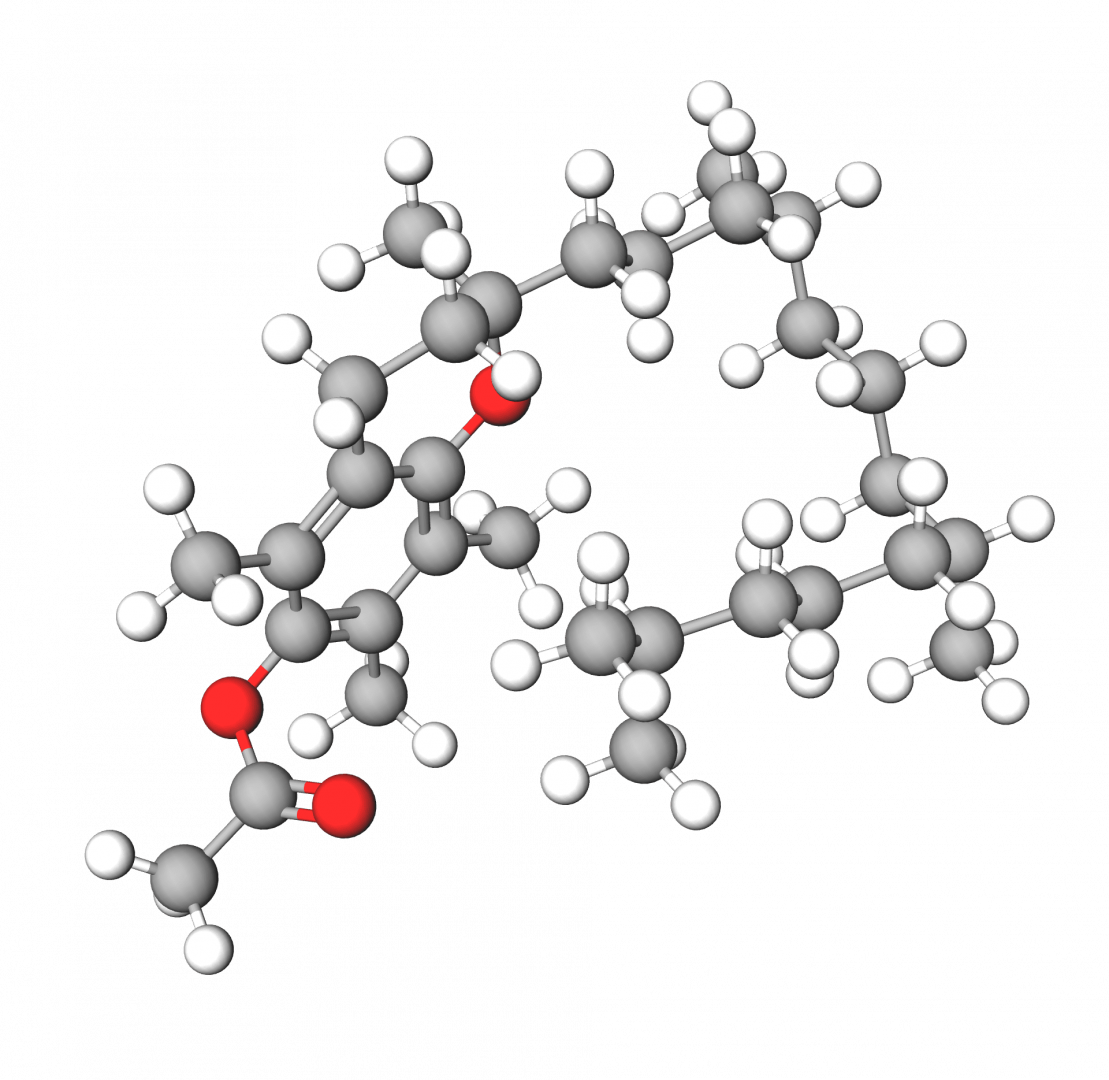
Tocopheryl acetate is a derivative of vitamin E, an acetic ester of all-racemic alpha-tocopherol, and belongs to the group of oil-soluble vitamins known as tocopherols. These compounds are considered fat-soluble antioxidants, but they also have many other functions in the body. Tocopheryl acetate is a synthetic modification of tocopherol that lacks a free OH group on the phenolic ring and is one of the most widely used pro-antioxidants (it acts as a prodrug and becomes active after hydrolysis by epidermal esterases).
Vitamin E acetate is a clear, colorless to greenish-yellow, viscous oily liquid, an ester of d-alpha-tocopherol commonly used in vitamin gel caps. It is preferred for cosmetics and food fortification because its pure synthetic route improves oxidative stability and emulsion performance, without any animal raw material or gene-modification technology. In addition, it has a shelf life of at least four years with proper storage.
This modification of alpha-tocopherol helps formulations because it is stable (it doesn't oxidize). That's good because alpha-tocopheryl acetate can penetrate the skin barrier and reach living cells. About 5% of the amount applied to the skin converts to free tocopherol once it reaches deeper skin cells, providing beneficial antioxidant effects. It performs better when loaded into lipid nanoparticles (especially combined with tocopherols), which improves penetration, antioxidant action, and overall bioavailability.
Antioxidants protect cells from free-radical damage. These free radicals are also formed during normal processes (such as energy production) in the body. For example, Tocopheryl Acetate protects cell membranes, RNA, and DNA from free radicals, promoting cell health and vitality. It also accelerates wound healing, moisturizes the skin, and minimizes transdermal water loss.Tocopheryl acetate also exhibits antimicrobial effects by preventing bacterial adhesion and biofilm formation, accelerating wound healing and immune response. Moreover, it promotes the formation of new capillary blood vessels, lessens inflammation, and improves epithelialization. It also acts as a moisturizer that lessens transdermal moisture loss.
Potential Antiparasitic Action
A preparation with a high concentration (20%) of Tocopheryl Acetate has been reported to be effective against head louse infestation. A 2013 trial showed better results than Permethrin, a conventional active ingredient traditionally used to treat scabies and head lice. However, a sponsor-free clinical study in 2023 reported controversial results.
Stability
Tocopheryl Acetate is one of the most stable vitamin E derivatives, so it retains its efficacy under typical cosmetic processing conditions. This ingredient is fairly stable to air and heat but hydrolyzes in the presence of moisture, alkalis, or strong acids into free tocopherol (DL-Tocopherol), which readily oxidizes and loses vitamin activity. The recommended pH range is 4.0-8.0. It is also sensitive to heavy metals.
Solubility
Tocopheryl Acetate is readily soluble in all cosmetic oils, making it ideal for mixing into the oil phase of cosmetic emulsions; it is also freely soluble in alcohol, so supplementation of alcohol-based formulations is possible and useful because of the topical benefits of Alpha-tocopheryl acetate.
F.A.Q.
What are the benefits of Vitamin E Acetate?
The central role of vitamin E Acetate is an in vivo antioxidant. There is significant evidence that when topically applied, it plays a crucial role in protecting body cells and tissues from damage caused by free radicals, which are generated by natural body processes, and environmental stresses.
Topical application is critical because of the low levels of vitamin E present in the epidermis and dermis and its depletion by UV light and ozone. (Oral supplementation of 300mg vitamin E per day does not significantly increase tocopherol in human skin lipids.)
Topical application is essential for mature skin as well. With advancing age, perspiration levels go down, reducing the levels of vitamin E secreted onto the face. As a result, less vitamin E is present in the dermis and epidermis of mature skin and the surface, reducing the protection against environmental stresses.
The most critical attributes of vitamin E Acetate are:
- Moisturizes skin from within
- Enhances skin smoothness through cumulative effect (in particular, useful in soap bars and liquid soaps)
- Soothes and aids in tissue repair
- Protects skin from environmental stress:
- helps block lipid peroxidation inhibiting extraordinary antioxidant properties
- reduces UV induced damage (helps enhance the performance of UV blockers in sun care products by quenching free radicals formed by UV light)
- helps protect against ozone
- relieves lower erythema, edema, and skin sensitivity following UVB exposure.